

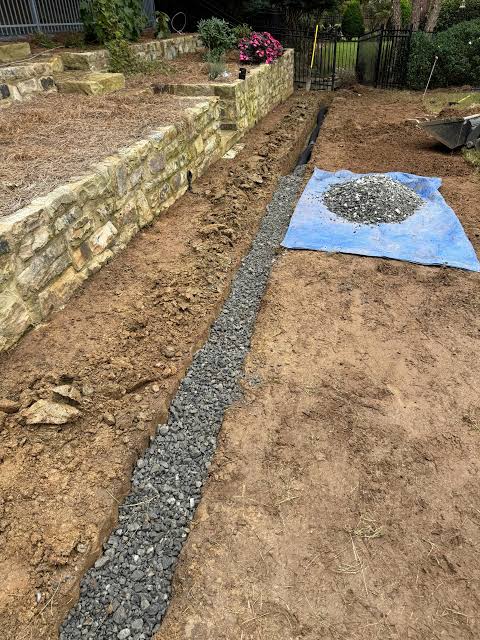
Proper water management is an important part of maintaining a healthy and attractive landscape. Heavy rainfall, poor grading, compacted soil, and inefficient runoff can cause water to collect in lawns, planting beds, walkways, and other outdoor areas. When excess water is not managed properly, it can contribute to soil erosion, plant stress, muddy areas, and landscape deterioration. A thoughtfully planned drainage system can help direct water away from problem areas while supporting a healthier and more functional property.
Homeowners facing excess water can protect their landscapes by exploring practical drainage options designed for Expert Drainage Solutions Services in Alpharetta, GA. Effective drainage planning begins with understanding how water moves across a property and identifying areas where runoff collects or causes damage. With the right approach, drainage improvements can support lawns, planting beds, trees, walkways, patios, and other outdoor features while helping maintain the overall appearance of the landscape.
Why Drainage Matters for Alpharetta Landscapes
Drainage plays a major role in maintaining outdoor areas because water naturally moves toward lower elevations. During heavy rainfall, large amounts of runoff can collect in areas where the soil cannot absorb water quickly enough. Without proper drainage, these areas may remain saturated and become difficult to maintain.
Excess moisture can also affect plants and soil structure. Constantly wet soil may create unfavorable conditions for certain plants, while standing water can contribute to erosion and muddy surfaces. A suitable drainage strategy can help control water movement and reduce unnecessary moisture in areas that need better protection.
Identifying Common Landscape Drainage Problems
The first step toward improving drainage is recognizing the signs of poor water management. Standing water after rainfall is one of the most visible indicators, but other signs may include eroded soil, muddy lawn sections, overflowing downspouts, water flowing toward structures, and consistently wet planting beds.
Some drainage problems develop gradually and may become noticeable only during periods of heavy rain. Homeowners may also observe damaged mulch, exposed roots, washed-out soil, or water collecting near walkways. Identifying the source of the problem can help determine which drainage solution is appropriate.
Improving Yard Grading and Water Flow
Proper grading can make a significant difference in how water moves across a landscape. A yard with suitable slopes can encourage runoff to move toward designated drainage areas instead of collecting around foundations, planting beds, or lawn depressions.
When grading problems are present, water may flow toward areas where it can cause damage. Landscape professionals can evaluate the existing terrain and identify areas where adjustments may improve drainage. Proper grading should work with the natural characteristics of the property while directing water toward safe discharge locations.
Installing French Drain Systems
French drains are commonly used to help redirect groundwater and surface water away from problem areas. These systems typically use a drainage channel and perforated pipe surrounded by suitable aggregate to encourage water collection and movement.
A properly designed French drain can be useful in areas where water consistently accumulates. Depending on the property’s layout, it may help move excess moisture away from lawns, planting areas, walkways, or other landscape features. The design should account for water volume, soil conditions, elevation, and an appropriate discharge point.
Managing Downspout and Roof Runoff
Roof runoff can contribute significantly to landscape drainage problems. When downspouts release large amounts of water near foundations or planting beds, the surrounding soil may become saturated during heavy rainfall.
Extending downspouts or connecting them to appropriate drainage systems can help move roof runoff away from vulnerable areas. Properly managing this water can reduce concentrated erosion and help protect the landscape from excessive moisture.
Protecting Lawns From Standing Water
Healthy lawns generally require balanced moisture rather than continuous saturation. Areas that remain wet for extended periods may become difficult to mow and maintain. Repeated standing water can also create muddy conditions and contribute to thinning or damaged grass.
Drainage improvements can help move excess water away from low areas of the lawn. Combining proper grading with suitable drainage channels or collection systems may create better conditions for lawn maintenance and healthier grass growth.
Protecting Planting Beds and Garden Areas
Planting beds can also experience drainage problems when water collects around plant roots. While plants need water to grow, excessive moisture can create unsuitable conditions for many landscape plants.
Drainage planning can help protect garden areas by directing excess water away from planting beds or improving the movement of water through the surrounding landscape. Proper soil preparation and plant selection can also contribute to better long-term landscape performance.
Reducing Soil Erosion
Fast-moving water can carry soil and mulch away from planting beds, slopes, and lawn areas. Over time, repeated runoff can expose plant roots, create channels in the soil, and reduce the stability of landscape areas.
Drainage solutions can help control the direction and speed of water movement. By guiding runoff toward appropriate collection or discharge areas, a well-planned system can help reduce unnecessary erosion and protect valuable topsoil.
Protecting Walkways and Patios
Water management is also important around hardscaped areas such as paver walkways, patios, and outdoor living spaces. Poor drainage can cause water to collect on surfaces or flow across pathways, potentially creating slippery or inconvenient conditions.
Proper grading and drainage can help move water away from these areas. When drainage is considered during landscape planning, hardscape features can be integrated with the property’s overall water-management strategy.
Preventing Water From Collecting Near Structures
Water that consistently collects near a home’s foundation or other structures deserves attention. Concentrated runoff can keep surrounding soil excessively wet and may contribute to landscape and property concerns over time.
Drainage planning should consider the relationship between roof runoff, yard grading, planting areas, and structures. Directing water toward an appropriate discharge location can help reduce unnecessary moisture near vulnerable areas.
Choosing the Right Drainage Approach
Every landscape has different drainage requirements. A solution that works for one property may not be suitable for another. Factors such as lot size, slope, soil composition, existing landscaping, rainfall patterns, and the location of structures should be considered.
Some properties may benefit from grading improvements, while others may require French drains, catch basins, channel drains, downspout extensions, or combinations of different drainage methods. A customized approach can address the actual source of the water problem instead of simply treating the visible symptoms.
Supporting Healthier Soil Conditions
Soil structure can influence how quickly water moves through a landscape. Compacted soil may absorb water slowly, increasing surface runoff and creating puddles. Improving soil conditions where appropriate can help support better water infiltration.
Drainage improvements and soil management can work together. While drainage systems help direct excess water, healthy soil can improve the landscape’s ability to absorb and retain appropriate amounts of moisture.
Drainage and Landscape Planting
Drainage should be considered when planning trees, shrubs, flowers, and other plants. Different plants have different moisture requirements, so placing water-sensitive plants in consistently wet locations may create maintenance challenges.
Strategic planting can complement drainage improvements. Moisture-tolerant plants may be appropriate for certain areas, while well-drained locations can support plants that prefer less saturated soil. Combining plant selection with water management can create a more balanced landscape.
Drainage for Outdoor Living Areas
Outdoor living spaces are increasingly important parts of residential landscapes. Patios, seating areas, fire features, kitchens, and entertainment spaces all benefit from effective water management.
Drainage planning can help prevent runoff from entering these areas and can improve the usability of outdoor spaces following rainfall. When drainage and landscape design are considered together, homeowners can create outdoor areas that are more comfortable and easier to maintain.
Benefits of Professional Drainage Planning
Professional drainage planning can help homeowners understand the source of their water problems and determine suitable solutions. Instead of installing a drainage feature without considering the overall landscape, a planned approach evaluates how water enters, moves through, and leaves the property.
This can help create a drainage system that works with existing landscaping rather than disrupting it unnecessarily. Professional planning can also consider future landscape improvements, helping homeowners avoid drainage conflicts when adding new lawns, planting beds, patios, or walkways.
Maintaining Drainage Systems
Drainage systems require periodic attention to continue working effectively. Leaves, soil, mulch, and other debris can accumulate around drainage openings and interfere with water flow.
Regular inspection can help identify blocked outlets, damaged components, erosion, or areas where water is no longer moving as expected. Keeping drainage areas clear and addressing minor issues early can support more reliable long-term performance.
Preparing for Heavy Rainfall
Alpharetta properties may experience periods of significant rainfall, making effective water management especially important. Preparing the landscape before heavy rain can reduce the likelihood of water collecting in vulnerable areas.
Homeowners can monitor drainage outlets, keep gutters and downspouts clear, maintain suitable grading, and watch for recurring areas of standing water. Addressing known drainage concerns before severe weather can help protect the landscape and improve overall property management.
Creating a Healthier Alpharetta Outdoor Environment
Effective drainage contributes to more than water control. It can support healthier lawns, protect planting beds, reduce erosion, improve walkway conditions, and make outdoor spaces easier to maintain. When drainage is incorporated into a broader landscape plan, it can also support the visual and functional goals of the property.
Drainage solutions can work alongside sod installation, planting, mulch, privacy trees, paver walkways, and other landscaping services. Integrating these elements allows homeowners to create outdoor environments that are attractive while also being better prepared for changing weather conditions.
Conclusion
Proper drainage is an essential part of maintaining healthy and functional landscapes in Alpharetta, GA. From standing water and soil erosion to runoff around structures and saturated planting beds, water-related problems can affect many areas of a property. Identifying the source of excess water and selecting an appropriate drainage strategy can help address these challenges.
Whether a property needs grading improvements, French drains, downspout management, surface drainage, or another customized solution, thoughtful planning can make a meaningful difference. By combining effective drainage with proper landscape maintenance and design, Alpharetta homeowners can protect their outdoor spaces, support healthier plants, reduce erosion, and create landscapes that remain attractive and functional over time.
Written by: rank business listings