
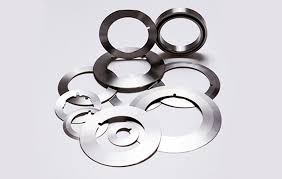
In today’s fast-paced industrial landscape, precision, efficiency, and consistency are no longer optional—they are critical to staying competitive. One of the most important yet often overlooked components in modern manufacturing is the slitter knife. These specialized cutting tools play a vital role in processing materials across a wide range of industries, including packaging, metal processing, paper, textiles, plastics, and more.
Understanding Slitter Knives
Slitter knives are circular or straight blades used in slitting machines to cut large rolls or sheets of material into narrower strips. These materials can include paper, plastic films, foil, rubber, textiles, and metal coils. The process requires extreme precision, as even minor deviations can result in defective products or material waste.
Slitter knives are engineered using high-quality materials such as high-speed steel (HSS), carbide, and tool steel to ensure durability and sharpness over extended periods of use.
The Role of Slitter Knives in Manufacturing
Slitter knives are central to the slitting process, which is a key step in many production lines. Whether it’s converting jumbo rolls of paper into smaller reels or cutting metal sheets into precise widths, slitter knives ensure clean, accurate, and efficient cuts.
Without high-performance slitter knives, manufacturers would struggle to maintain consistency, meet production targets, and deliver products that meet quality standards.
Key Reasons Why Slitter Knives Are Essential
1. Precision and Accuracy
Modern manufacturing demands exact measurements and tight tolerances. Slitter knives are designed to deliver precise cuts, ensuring uniformity across all produced materials. This level of accuracy is especially important in industries such as packaging and electronics, where even slight variations can lead to product failure.
2. Increased Production Efficiency
Efficiency is the backbone of any manufacturing operation. High-quality slitter knives reduce downtime by maintaining sharpness for longer periods, minimizing the need for frequent replacements or adjustments. This leads to smoother operations and higher output.
3. Reduced Material Waste
Poor-quality cutting tools can result in jagged edges, uneven cuts, and damaged materials. Slitter knives, when properly maintained, produce clean cuts that significantly reduce waste. This not only saves costs but also contributes to more sustainable manufacturing practices.
4. Versatility Across Industries
Slitter knives are used in a wide variety of industries, including:
- Paper and Packaging – For cutting paper rolls, cardboard, and packaging materials
- Plastic and Film – For slitting plastic films and laminates
- Metal Processing – For cutting metal coils and sheets
- Textiles – For trimming fabrics and synthetic materials
Their adaptability makes them a universal tool in modern production environments.
5. Enhanced Product Quality
The quality of the final product is directly influenced by the cutting process. Sharp, well-designed slitter knives ensure smooth edges and consistent dimensions, which are crucial for maintaining product standards and customer satisfaction.
6. Cost-Effectiveness
Although high-quality slitter knives may require a higher initial investment, they offer long-term cost savings. Their durability reduces replacement frequency, and their efficiency lowers operational costs by minimizing waste and downtime.
Materials Used in Slitter Knives
The performance of a slitter knife largely depends on the material it is made from. Common materials include:
- High-Speed Steel (HSS): Known for its toughness and resistance to wear
- Carbide: Offers superior hardness and longer lifespan
- Tool Steel: Provides a balance between durability and cost-effectiveness
Choosing the right material depends on the application and the type of material being cut.
Importance of Proper Maintenance
To maximize the performance and lifespan of slitter knives, regular maintenance is essential. This includes:
- Sharpening: Keeping blades sharp ensures clean cuts and reduces strain on machinery
- Cleaning: Removing debris and residue prevents corrosion and damage
- Proper Storage: Storing knives in a safe, dry environment protects them from wear
Routine maintenance not only extends the life of the knives but also ensures consistent performance.
Innovations in Slitter Knife Technology
As manufacturing evolves, so does the technology behind slitter knives. Modern advancements include:
- Coated Blades: Enhanced with coatings to improve wear resistance and reduce friction
- Precision Grinding: Advanced grinding techniques for sharper and more accurate edges
- Custom Designs: Tailored knives designed for specific applications and materials
These innovations help manufacturers achieve higher levels of efficiency and precision.
Choosing the Right Slitter Knives
Selecting the right slitter knives is crucial for optimal performance. Key factors to consider include:
- Material Type: The material being cut determines the blade material and design
- Cutting Speed: High-speed operations require more durable knives
- Thickness and Hardness: Thicker or harder materials need stronger blades
- Machine Compatibility: Ensuring the knife fits and functions properly with the equipment
Working with a reliable supplier can help ensure you get the best slitter knives for your needs.
The Future of Slitter Knives in Manufacturing
As industries continue to push for automation, precision, and sustainability, the demand for high-performance slitter knives will only increase. Manufacturers are investing in advanced materials and technologies to develop blades that last longer, cut faster, and deliver even greater accuracy.
Slitter knives will remain a cornerstone of modern manufacturing, enabling businesses to meet growing demands while maintaining quality and efficiency.
Conclusion
Slitter knives are more than just cutting tools—they are essential components that drive efficiency, precision, and quality in modern manufacturing. From reducing material waste to enhancing product consistency, their impact is significant across multiple industries.
Investing in high-quality slitter knives and maintaining them properly can lead to improved productivity, lower costs, and better overall performance. As technology continues to evolve, these tools will play an even more critical role in shaping the future of manufacturing.
Frequently Asked Questions (FAQs)
1. What are slitter knives used for?
Slitter knives are used to cut large rolls or sheets of material into narrower strips in industries like paper, plastic, metal, and textiles.
2. Which material is best for slitter knives?
The best material depends on the application. Carbide is ideal for durability, while high-speed steel offers a balance of toughness and cost.
3. How often should slitter knives be sharpened?
Sharpening frequency depends on usage and material type, but regular inspection is recommended to maintain optimal performance.
4. Can slitter knives be customized?
Yes, many manufacturers offer custom slitter knives designed for specific materials and applications.
5. How do slitter knives improve efficiency?
They provide clean, precise cuts, reduce downtime, minimize waste, and enhance overall production speed.
6. What industries use slitter knives?
Industries such as packaging, paper, plastics, metals, and textiles widely use slitter knives.