
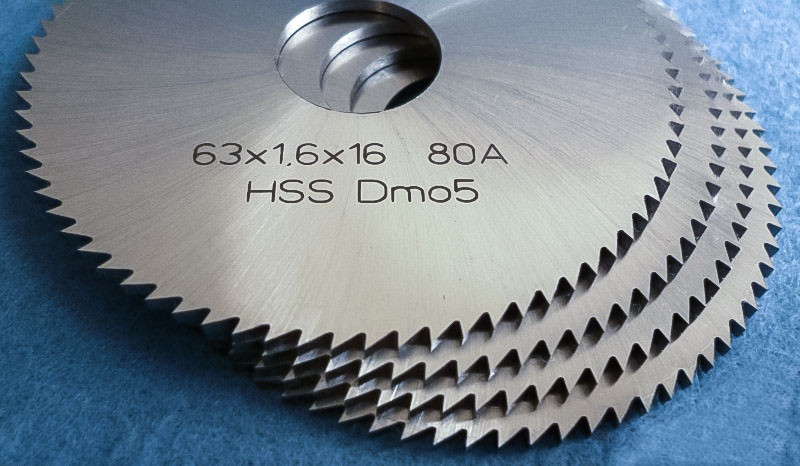
In today’s fast-evolving manufacturing world, precision is not just a requirement—it is a necessity. Industries such as automotive, aerospace, electronics, and heavy engineering demand components with exact dimensions, smooth finishes, and minimal tolerance errors. Achieving this level of accuracy depends heavily on the tools used during the machining process. Among these tools, slitting saw blades stand out as one of the most critical components in precision engineering.
High-performance tools like those offered at Maxwell Slitters play a significant role in delivering consistent, accurate, and efficient cutting solutions. Their advanced slitting saw technology is designed to meet the growing demands of modern manufacturing.
Understanding Slitting Saw Blades
A slitting saw blade is a thin, circular cutting tool specifically designed for making narrow, precise cuts in materials such as metal sheets, pipes, and tubes. These blades are typically mounted on milling machines or CNC systems and rotate at high speeds to perform clean and accurate cuts.
Unlike conventional cutting tools, slitting saws are engineered to remove minimal material while maintaining structural integrity. Their thin kerf and sharp teeth make them ideal for applications where precision is critical. Whether it’s creating slots, grooves, or separating components, slitting saw blades deliver unmatched accuracy.
Key Features That Enable Precision
Slitting saw blades are designed with several features that make them indispensable in precision engineering:
1. Thin Cutting Width (Kerf)
One of the most important characteristics of a slitting saw blade is its extremely thin cutting width. This allows for minimal material removal, reducing waste and improving efficiency. It also ensures that the final product maintains its intended dimensions.
2. High-Quality Materials
Most slitting saw blades are made from high-speed steel (HSS) or carbide. These materials are known for their durability, heat resistance, and ability to maintain sharpness even under high-speed operations.
3. Customizable Sizes and Tooth Profiles
Manufacturers like Maxwell Slitters offer blades in various diameters, thicknesses, and tooth configurations. This customization allows engineers to choose the perfect blade for specific applications, ensuring optimal performance.
4. High-Speed Operation
Slitting saw blades operate at high rotational speeds, enabling smooth and efficient cutting. This reduces production time while maintaining accuracy.
Importance in Precision Engineering
Precision engineering requires tools that can deliver consistent results without compromising quality. Slitting saw blades meet these requirements in several ways:
1. Exceptional Accuracy
Slitting saws are designed to produce clean, straight cuts with tight tolerances. This level of precision is essential for manufacturing components that must fit perfectly within assemblies.
2. Minimal Burr Formation
Burrs are unwanted rough edges that form during cutting. Slitting saw blades are engineered to produce burr-free cuts, reducing the need for additional finishing processes and saving time.
3. Versatility Across Applications
Slitting saw blades can cut a wide range of materials, including steel, aluminum, brass, and titanium. This versatility makes them suitable for various industries and applications.
4. Reduced Material Waste
Because of their thin profile, slitting saw blades remove less material compared to other cutting tools. This not only saves raw material but also reduces costs in large-scale production.
Applications in Modern Industries
Slitting saw blades are widely used across multiple industries due to their precision and efficiency:
Automotive Industry
In automotive manufacturing, components such as gears, shafts, and brackets require precise cuts and grooves. Slitting saw blades ensure that these components meet strict quality standards.
Aerospace Industry
Aerospace components demand extremely high precision and reliability. Slitting saw blades are used to create intricate parts with tight tolerances, ensuring safety and performance.
Metal Fabrication
From cutting metal sheets to creating custom parts, slitting saw blades are essential in fabrication processes. They provide clean cuts that improve the overall quality of finished products.
Electronics Industry
In electronics manufacturing, small and delicate components require precise cutting tools. Slitting saw blades are ideal for producing these intricate parts without causing damage.
Types of Slitting Saw Blades
Different applications require different types of slitting saw blades. Some of the most common types include:
- Plain Slitting Saws: Ideal for general-purpose cutting and simple applications
- Staggered Tooth Slitting Saws: Designed for deeper cuts and better chip clearance
- Side Chip Clearance Saws: Perfect for slotting and grooving operations
- Tube Cutting Saws: Specifically designed for cutting pipes and tubes
Manufacturers like Maxwell Slitters provide a wide range of these options to meet diverse industrial needs.
Advantages Over Other Cutting Tools
While there are many cutting tools available, slitting saw blades offer several advantages that make them superior for precision engineering:
1. Higher Precision
Compared to traditional saws, slitting saw blades provide more accurate cuts with tighter tolerances.
2. Better Surface Finish
The sharp teeth and thin profile of slitting saw blades result in smoother finishes, reducing the need for additional machining.
3. Increased Efficiency
High-speed operation and minimal material removal lead to faster production times and improved efficiency.
4. Cost-Effectiveness
By reducing waste and minimizing the need for secondary processes, slitting saw blades help lower overall production costs.
How Slitting Saw Blades Work
Slitting saw blades function by rotating at high speeds on a machine spindle. As the blade comes into contact with the material, its sharp teeth cut through the surface, creating a narrow slit. The process is controlled to ensure accuracy and consistency.
The effectiveness of this process depends on factors such as blade material, tooth geometry, cutting speed, and machine setup. Proper alignment and operation are essential to achieving the desired results.
Choosing the Right Slitting Saw Blade
Selecting the right slitting saw blade is crucial for achieving optimal performance. Here are some factors to consider:
Material Type
Choose a blade material that matches the material being cut. For example, carbide blades are ideal for hard metals, while HSS blades are suitable for general applications.
Blade Thickness
The thickness of the blade determines the width of the cut. Thinner blades are better for precision work, while thicker blades are suitable for heavier applications.
Tooth Configuration
Different tooth designs are suited for different tasks. Fine-tooth blades provide smoother finishes, while coarse-tooth blades are better for faster cutting.
Machine Compatibility
Ensure that the blade is compatible with your machine and operating conditions.
Role of Advanced Manufacturers
Companies like Maxwell Slitters are at the forefront of innovation in slitting saw technology. With decades of experience and a commitment to quality, they provide cutting-edge solutions that meet the needs of modern industries.
Their products are designed to deliver high performance, durability, and precision, making them a trusted choice for manufacturers worldwide.
Future of Slitting Saw Technology
As industries continue to evolve, the demand for precision cutting tools will only increase. Advances in materials, coatings, and manufacturing techniques are expected to further enhance the performance of slitting saw blades. Innovations such as improved heat resistance, longer tool life, and enhanced cutting efficiency will play a key role in the future of precision engineering.
Automation and CNC machining are also driving the need for high-quality cutting tools that can deliver consistent results. Slitting saw blades will continue to be an essential component in these advanced manufacturing processes.
Conclusion
Slitting saw blades are more than just cutting tools—they are a cornerstone of precision engineering. Their ability to deliver accurate, clean, and efficient cuts makes them indispensable in modern manufacturing. From automotive and aerospace to electronics and fabrication, these tools play a vital role in ensuring quality and performance.