
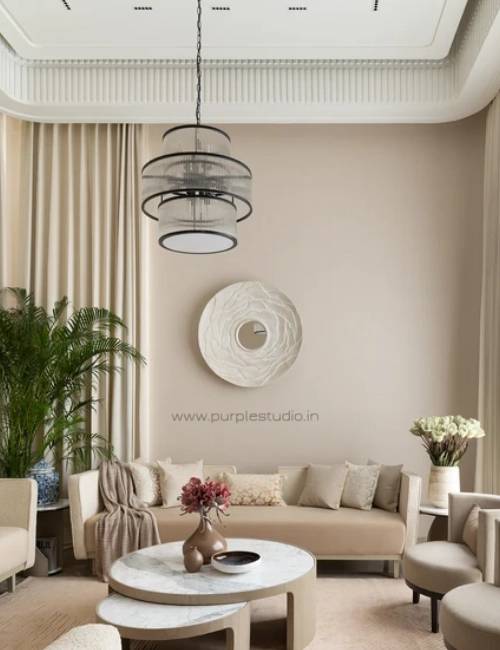
Modern interior design continues to evolve as homeowners seek spaces that combine beauty, comfort, and functionality. In 2026, interior trends are focused on creating personalized environments that reflect individual lifestyles while incorporating sustainable materials and smart technology.
One of the biggest trends is the use of earthy color palettes. Warm shades like terracotta, olive green, beige, and soft brown create calming interiors that feel inviting and timeless. These colors pair beautifully with natural materials such as wood, stone, and linen.
Another growing trend is multifunctional furniture. As more people work from home, homeowners are investing in furniture that serves multiple purposes. Foldable desks, storage beds, modular sofas, and extendable dining tables maximize available space without sacrificing style.
Biophilic design is also becoming increasingly popular. Indoor plants, natural lighting, and organic textures help connect interiors with nature, creating healthier and more relaxing living spaces. Large windows and open layouts further enhance this connection.
Smart home integration is another defining feature of modern interiors. Automated lighting, climate control, voice-controlled devices, and energy-efficient appliances improve convenience while reducing energy consumption.
Texture is playing a significant role in interior styling. Designers are combining smooth surfaces with textured fabrics, wooden finishes, stone accents, and handcrafted décor to add depth and character.
Minimalism remains popular but has evolved into “warm minimalism,” which focuses on clean lines while incorporating cozy furnishings and soft textures.
Whether you’re renovating your entire home or updating a single room, embracing these modern interior design trends can significantly improve both aesthetics and functionality. A professionally designed interior not only enhances daily living but also adds long-term value to your property.
Modern interior design continues to evolve as homeowners seek spaces that combine beauty, comfort, and functionality. In 2026, interior trends are focused on creating personalized environments that reflect individual lifestyles while incorporating sustainable materials and smart technology.
One of the biggest trends is the use of earthy color palettes. Warm shades like terracotta, olive green, beige, and soft brown create calming interiors that feel inviting and timeless. These colors pair beautifully with natural materials such as wood, stone, and linen.
Another growing trend is multifunctional furniture. As more people work from home, homeowners are investing in furniture that serves multiple purposes. Foldable desks, storage beds, modular sofas, and extendable dining tables maximize available space without sacrificing style.
Biophilic design is also becoming increasingly popular. Indoor plants, natural lighting, and organic textures help connect interiors with nature, creating healthier and more relaxing living spaces. Large windows and open layouts further enhance this connection.
Smart home integration is another defining feature of modern interiors. Automated lighting, climate control, voice-controlled devices, and energy-efficient appliances improve convenience while reducing energy consumption.
Texture is playing a significant role in interior styling. Designers are combining smooth surfaces with textured fabrics, wooden finishes, stone accents, and handcrafted décor to add depth and character.
Minimalism remains popular but has evolved into “warm minimalism,” which focuses on clean lines while incorporating cozy furnishings and soft textures.
Whether you’re renovating your entire home or updating a single room, embracing these modern interior design trends can significantly improve both aesthetics and functionality. A professionally designed interior not only enhances daily living but also adds long-term value to your property.
Modern interior design continues to evolve as homeowners seek spaces that combine beauty, comfort, and functionality. In 2026, interior trends are focused on creating personalized environments that reflect individual lifestyles while incorporating sustainable materials and smart technology.
One of the biggest trends is the use of earthy color palettes. Warm shades like terracotta, olive green, beige, and soft brown create calming interiors that feel inviting and timeless. These colors pair beautifully with natural materials such as wood, stone, and linen.
Another growing trend is multifunctional furniture. As more people work from home, homeowners are investing in furniture that serves multiple purposes. Foldable desks, storage beds, modular sofas, and extendable dining tables maximize available space without sacrificing style.
Biophilic design is also becoming increasingly popular. Indoor plants, natural lighting, and organic textures help connect interiors with nature, creating healthier and more relaxing living spaces. Large windows and open layouts further enhance this connection.
Smart home integration is another defining feature of modern interiors. Automated lighting, climate control, voice-controlled devices, and energy-efficient appliances improve convenience while reducing energy consumption.
Texture is playing a significant role in interior styling. Designers are combining smooth surfaces with textured fabrics, wooden finishes, stone accents, and handcrafted décor to add depth and character.
Minimalism remains popular but has evolved into “warm minimalism,” which focuses on clean lines while incorporating cozy furnishings and soft textures.
Whether you’re renovating your entire home or updating a single room, embracing these modern interior design trends can significantly improve both aesthetics and functionality. A professionally designed interior not only enhances daily living but also adds long-term value to your property.
Modern interior design continues to evolve as homeowners seek spaces that combine beauty, comfort, and functionality. In 2026, interior trends are focused on creating personalized environments that reflect individual lifestyles while incorporating sustainable materials and smart technology.
One of the biggest trends is the use of earthy color palettes. Warm shades like terracotta, olive green, beige, and soft brown create calming interiors that feel inviting and timeless. These colors pair beautifully with natural materials such as wood, stone, and linen.
Another growing trend is multifunctional furniture. As more people work from home, homeowners are investing in furniture that serves multiple purposes. Foldable desks, storage beds, modular sofas, and extendable dining tables maximize available space without sacrificing style.
Biophilic design is also becoming increasingly popular. Indoor plants, natural lighting, and organic textures help connect interiors with nature, creating healthier and more relaxing living spaces. Large windows and open layouts further enhance this connection.
Smart home integration is another defining feature of modern interiors. Automated lighting, climate control, voice-controlled devices, and energy-efficient appliances improve convenience while reducing energy consumption.
Texture is playing a significant role in interior styling. Designers are combining smooth surfaces with textured fabrics, wooden finishes, stone accents, and handcrafted décor to add depth and character.
Minimalism remains popular but has evolved into “warm minimalism,” which focuses on clean lines while incorporating cozy furnishings and soft textures.
Whether you’re renovating your entire home or updating a single room, embracing these modern interior design trends can significantly improve both aesthetics and functionality. A professionally designed interior not only enhances daily living but also adds long-term value to your property.
Modern interior design continues to evolve as homeowners seek spaces that combine beauty, comfort, and functionality. In 2026, interior trends are focused on creating personalized environments that reflect individual lifestyles while incorporating sustainable materials and smart technology.
One of the biggest trends is the use of earthy color palettes. Warm shades like terracotta, olive green, beige, and soft brown create calming interiors that feel inviting and timeless. These colors pair beautifully with natural materials such as wood, stone, and linen.
Another growing trend is multifunctional furniture. As more people work from home, homeowners are investing in furniture that serves multiple purposes. Foldable desks, storage beds, modular sofas, and extendable dining tables maximize available space without sacrificing style.
Biophilic design is also becoming increasingly popular. Indoor plants, natural lighting, and organic textures help connect interiors with nature, creating healthier and more relaxing living spaces. Large windows and open layouts further enhance this connection.
Smart home integration is another defining feature of modern interiors. Automated lighting, climate control, voice-controlled devices, and energy-efficient appliances improve convenience while reducing energy consumption.
Texture is playing a significant role in interior styling. Designers are combining smooth surfaces with textured fabrics, wooden finishes, stone accents, and handcrafted décor to add depth and character.
Minimalism remains popular but has evolved into “warm minimalism,” which focuses on clean lines while incorporating cozy furnishings and soft textures.
Whether you’re renovating your entire home or updating a single room, embracing these modern interior design trends can significantly improve both aesthetics and functionality. A professionally designed interior not only enhances daily living but also adds long-term value to your property.