
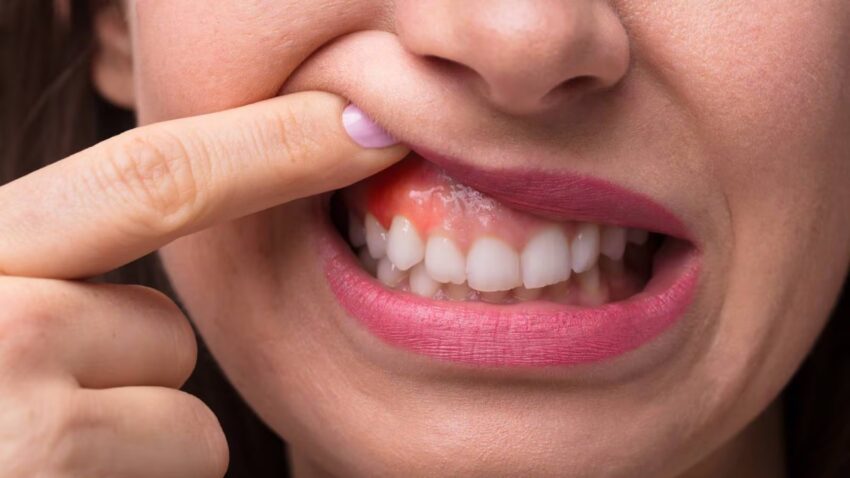
Healthy gums are just as important as healthy teeth. They provide the foundation that supports your teeth and helps maintain a strong, beautiful smile. Unfortunately, gum disease often develops slowly, and many people ignore the early warning signs because they are painless. By the time severe symptoms appear, significant damage may have already occurred.
If you notice bleeding while brushing, swollen gums, or persistent bad breath, seeking
Gum treatment in Rajajinagar as early as possible can prevent the condition from progressing. Early diagnosis and timely treatment can protect your gums, preserve your natural teeth, and improve your overall oral health.
In this blog, we’ll explore the seven early signs of gum disease, why they occur, available treatment options, and how preventive dental care can help you maintain healthy gums for years to come.
What Is Gum Disease?
Gum disease, also known as periodontal disease, is a bacterial infection that affects the gums and supporting structures around the teeth. It begins when dental plaque accumulates along the gumline. If plaque is not removed through proper brushing, flossing, and professional dental cleanings, it hardens into tartar buildup, creating an ideal environment for harmful bacteria.
The earliest stage of gum disease is called gingivitis. At this stage, the condition is usually reversible with proper gingivitis treatment and improved oral hygiene. However, if left untreated, it can progress into advanced periodontal disease, leading to gum recession, bone loss, and even tooth loss.
What Causes Gum Disease?
Several factors can increase the risk of developing gum disease, including:
- Poor oral hygiene
- Plaque buildup on gums
- Tartar buildup
- Smoking and tobacco use
- Diabetes
- Hormonal changes
- Poor nutrition
- Certain medications
- Family history of gum disease
Regular dental check-ups and professional cleanings play a major role in preventing these problems.
1. Bleeding While Brushing or Flossing
One of the earliest and most common gum disease symptoms is bleeding while brushing or flossing.
Healthy gums should not bleed during routine oral care.
If you frequently notice blood on your toothbrush or floss, it could indicate inflammation caused by bacterial plaque around the gums.
Ignoring this symptom allows bacteria to continue damaging the gum tissues.
Seeking Gum treatment in Rajajinagar at this stage can help reverse the condition before permanent damage occurs.
2. Swollen and Inflamed Gums
Healthy gums are usually pink, firm, and fit snugly around the teeth.
When bacteria accumulate, they cause:
- Swollen gums
- Inflamed gums
- Redness
- Tenderness
- Puffy gum tissue
These symptoms are often early indicators of gingivitis.
Professional gingivitis treatment removes plaque and tartar, helping reduce inflammation and restore gum health.
3. Persistent Bad Breath
Bad breath that continues even after brushing may be caused by bacteria trapped beneath the gums.
These bacteria release unpleasant-smelling compounds that contribute to chronic bad breath.
Professional gum infection treatment helps eliminate these bacteria while improving the health of the surrounding gum tissues.
4. Gum Soreness or Tenderness
Healthy gums should not feel painful during eating or brushing.
Early gum disease may cause:
- Gum soreness
- Tenderness around the gumline
- Mild discomfort while chewing
- Sensitive gums
These symptoms indicate inflammation that should be evaluated promptly by a dentist.
5. Gum Recession
Another important warning sign is gum recession.
As the gums pull away from the teeth, patients may notice:
- Teeth appearing longer
- Increased tooth sensitivity
- Small gaps near the gumline
- Visible tooth roots
Early receding gums treatment can help control the underlying disease and reduce further tissue damage.
6. Plaque and Tartar Buildup
Excessive dental plaque is the primary cause of gum disease.
If plaque remains on the teeth for too long, it hardens into tartar buildup, which cannot be removed by brushing alone.
Signs include:
- Yellow or brown deposits along the gumline
- Rough tooth surfaces
- Persistent bad breath
- Increased gum irritation
Professional deep cleaning for gums helps remove these hardened deposits and reduce bacterial growth beneath the gums.
7. Loose Teeth or Changes in Bite
As periodontal disease advances, the supporting bone around the teeth may begin to deteriorate.
This may cause:
- Loose teeth
- Changes in bite alignment
- Difficulty chewing
- New spaces between teeth
Although these symptoms generally occur in more advanced stages, early intervention greatly reduces the risk of permanent damage.
Why Early Diagnosis Is So Important
Many people delay treatment because early gum disease is often painless.
However, untreated gum disease can lead to:
- Progressive gum recession
- Bone loss
- Tooth mobility
- Tooth loss
- Chronic infection
Early diagnosis allows dentists to provide less invasive and more effective treatment.
At Revive Dental Clinic, patients receive comprehensive gum evaluations using advanced diagnostic techniques to identify gum disease in its earliest stages. Personalized treatment plans are designed to eliminate infection, reduce inflammation, and restore healthy gum tissues before the condition becomes more severe.
Treatment Options for Gum Disease
The treatment recommended for gum disease depends on how early the condition is diagnosed. In many cases, early intervention can stop the infection from progressing and restore healthy gums without surgery.
Common treatment options include:
Professional Dental Cleaning
For patients with early gum disease, professional cleaning removes dental plaque and tartar buildup from the tooth surfaces and along the gumline. This helps reduce bacteria and allows the gums to heal naturally.
Gingivitis Treatment
Gingivitis treatment focuses on controlling inflammation before it develops into advanced periodontal disease. Combined with proper brushing, flossing, and regular dental visits, early treatment can completely reverse gingivitis.
Deep Cleaning for Gums
If plaque and tartar have spread below the gumline, your dentist may recommend deep cleaning for gums, also known as scaling and root planing.
This procedure helps:
- Remove bacteria beneath the gums
- Eliminate hardened tartar deposits
- Smooth the tooth roots
- Promote gum reattachment
- Reduce inflammation
Deep cleaning is one of the most effective non-surgical methods for managing moderate gum disease.
Gum Infection Treatment
When bacteria have caused significant infection, gum infection treatment may include professional cleaning, antimicrobial medications, and personalized oral hygiene instructions to restore gum health.
Receding Gums Treatment
For patients experiencing gum recession, treatment focuses on controlling the underlying infection and preventing further gum tissue loss. In advanced cases, additional periodontal procedures may be recommended.
How to Prevent Gum Disease
Preventing gum disease is much easier than treating advanced periodontal problems.
Follow these healthy habits:
- Brush your teeth twice daily using fluoride toothpaste.
- Floss every day.
- Clean your tongue regularly.
- Limit sugary foods and beverages.
- Avoid tobacco products.
- Drink plenty of water.
- Visit your dentist every six months.
- Schedule professional cleanings as recommended.
These simple habits help minimize plaque buildup on gums, reduce tartar buildup, and maintain healthy gums.
Common Myths About Gum Disease
Myth 1: Bleeding Gums Are Normal
Healthy gums should not bleed. Bleeding while brushing is often an early warning sign that requires professional attention.
Myth 2: Gum Disease Always Causes Pain
Many patients experience little or no pain during the early stages, making regular dental check-ups essential.
Myth 3: Brushing Harder Removes Plaque Better
Aggressive brushing can actually damage the gums and contribute to gum recession. Gentle brushing with the correct technique is far more effective.
Myth 4: Only Older Adults Get Gum Disease
Gum disease can affect people of all ages if oral hygiene is poor or risk factors are present.
Why Regular Dental Check-ups Matter
Routine dental visits allow your dentist to detect gum disease symptoms before they become serious.
During your check-up, your dentist can:
- Assess gum health
- Remove plaque and tartar
- Monitor early signs of periodontal disease
- Provide preventive advice
- Recommend timely treatment if necessary
Regular examinations help prevent more extensive dental procedures in the future.
At Revive Dental Clinic, every patient receives individualized periodontal care based on their oral health needs. Whether you require gingivitis treatment, gum infection treatment, or deep cleaning for gums, experienced dental professionals focus on preserving healthy gums and preventing long-term complications through modern treatment techniques.
Choosing the Right Dental Clinic
If you’re considering Gum treatment in Rajajinagar, choosing an experienced dental team is important for long-term success.
Look for a clinic that offers:
- Comprehensive periodontal evaluations
- Modern diagnostic technology
- Personalized treatment plans
- Preventive dental care
- Experienced dental professionals
- Comfortable patient-focused treatment
Early diagnosis combined with personalized care can make a significant difference in maintaining lifelong oral health.
At Revive Dental Clinic, preventive dentistry is a priority. From routine cleanings to advanced periodontal treatment, every patient receives customized care aimed at restoring healthy gums, preventing disease progression, and improving overall oral health.
Final Thoughts
Gum disease often begins with subtle symptoms that are easy to overlook, but early action can make all the difference. If you notice bleeding while brushing, swollen gums, inflamed gums, gum soreness, plaque buildup on gums, tartar buildup, or signs of gum recession, don’t wait for the condition to worsen. Seeking Gum treatment in Rajajinagar early allows for effective gingivitis treatment, gum infection treatment, deep cleaning for gums, and periodontal treatment, helping preserve your natural teeth and maintain healthy gums.
With proper oral hygiene, routine dental check-ups, and timely professional care, gum disease can often be prevented or successfully managed. Revive Dental Clinic is committed to providing personalized periodontal care using advanced techniques to help patients achieve healthier gums, stronger teeth, and long-lasting oral wellness.
Frequently Asked Questions (FAQs)
1. What is the earliest sign of gum disease?
The most common early sign is bleeding while brushing or flossing. Swollen or red gums and persistent bad breath are also early indicators.
2. Can gingivitis be reversed?
Yes. With prompt gingivitis treatment, professional cleaning, and improved oral hygiene, gingivitis can usually be completely reversed.
3. What is deep cleaning for gums?
Deep cleaning for gums is a non-surgical periodontal procedure that removes plaque and tartar from below the gumline, helping control infection and promote healing.
4. Why do gums recede?
Gum recession may occur due to untreated gum disease, aggressive brushing, tobacco use, or other factors affecting gum health. Early treatment helps prevent further recession.
5. How can I prevent gum disease?
Brush twice daily, floss every day, maintain regular dental visits, avoid tobacco, and schedule professional cleanings to reduce dental plaque, prevent tartar buildup, and maintain healthy gums.
Source: 7 Early Signs of Gum Disease You Should Never Ignore