
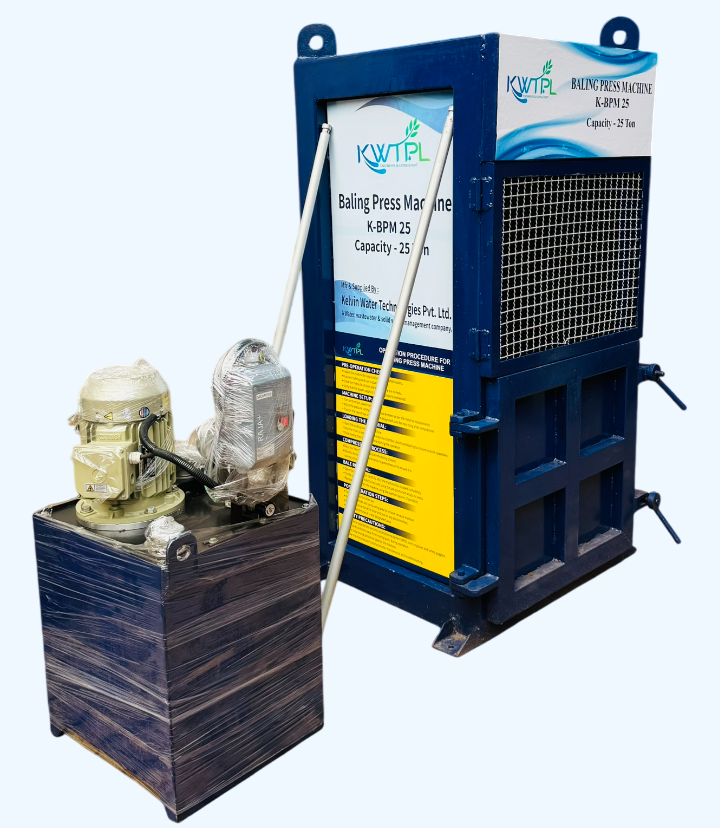
Baling press machines have become essential equipment across industries that handle high volumes of recyclable or waste materials. From manufacturing units to recycling facilities, warehouses, commercial establishments, and municipal waste management centers, baling press machines streamline the process of compressing bulky materials into compact, manageable bales. These compact bales are easier to store, transport, and process, reducing overall operational costs and improving workplace efficiency. As industries move toward sustainable waste management practices, the demand for robust, automated, and energy-efficient baling press machines continues to rise.
A baling press machine is a mechanical system designed to compress loose waste materials such as paper, cardboard, plastic, textile, metals, and agricultural waste. It uses hydraulic power or mechanical force to apply pressure and convert these materials into dense bales. The main objective of the machine is to reduce the volume of waste so it occupies less space and becomes simpler to handle or transport to recycling plants. Depending on the type and industry demand, baling machines are available in vertical, horizontal, semi-automatic, and fully automatic configurations.
Why Baling Press Machines Are Essential Today?
Industries today face growing pressure to adopt sustainable waste-handling practices. Baling machines enable businesses to manage waste responsibly while generating additional revenue through recyclable materials. For example, baled cardboard or PET bottles can be sold to recycling companies at a considerably higher rate than loose waste.
Additionally, with limited space in commercial or industrial setups, baling machines offer an effective way to reduce storage area requirements. A compressed bale occupies at least 80% less space than loose waste, keeping the work environment clean, organized, and safe.
Types of Baling Press Machines
Different industries require different types of balers based on material type, bale size, and production volume. Some of the widely used types include:
- Vertical Baling Press Machine
Vertical balers are compact, easy to operate, and ideal for small to medium businesses. The waste is fed manually, and the machine compresses it downward. They are affordable, require minimal installation space, and are perfect for retail stores, supermarkets, and small warehouses.
- Horizontal Baling Press Machine
Horizontal balers are designed for heavy-duty operations and large waste volumes. They offer higher output, automatic feeding options, and continuous processing. These machines are widely used in recycling plants, manufacturing industries, and large commercial facilities.
- Fully Automatic Baling Press Machine
These machines are perfect for industries that need high-speed, continuous, and automated baling. They include automatic feeding, tying, cutting, and bale ejection, reducing labor requirements and enhancing efficiency.
- Double Compression & Triple Compression Balers
These balers apply pressure from multiple sides, making them suitable for compressing metal scrap, aluminium, steel sheets, and more. They deliver extremely high-density bales ideal for export or long-distance transportation.
Materials Processed by Baling Machines
Baling press machines can handle a wide range of materials, including:
- Paper and cardboard
- PET bottles and plastic waste
- Aluminum cans
- Metal scrap
- Textile waste
- Foam and sponge
- E-waste components
- Biomass and agricultural waste
How a Baling Press Machine Works?
The baling process involves a few simple steps:
- Feeding the Material: Waste material is fed manually or automatically into the chamber.
- Compression: Hydraulic cylinders apply pressure and compress the material into dense bales.
- Tying: Once compressed, the bale is tied using wires or straps to maintain shape.
- Ejection: The finished bale is discharged using an automatic or manual ejection system.
Key Features of Modern Baling Press Machines
Modern balers are engineered to be more durable, efficient, and user-friendly. Some key features include:
- Heavy-duty steel construction
- Advanced hydraulic systems for high compression
- Low-maintenance components
- Safety interlocks and emergency stop features
- PLC-based control panels for automation
- Energy-efficient motors and pumps
- Long service life and corrosion-resistant body
Benefits of Using Baling Press Machine
Businesses across sectors invest in baling machines due to the wide range of benefits they offer:
- Space Optimization
Loose waste occupies excessive space. Baling reduces the volume significantly, making storage and handling easier.
- Lower Transportation Costs
Compressed bales require fewer trips, cutting down fuel and logistics expenses.
- Revenue Generation
Industries can sell baled materials to recycling companies at premium rates compared to loose waste.
- Enhanced Workplace Hygiene
Organized waste management leads to a cleaner, safer, and more efficient working environment.
- Eco-Friendly Operations
Baling encourages recycling and reduces landfill burden, contributing to environmental sustainability.
Industries That Use Baling Press Machines
Baling machines are widely used in:
- Recycling plants
- Waste management organizations
- Warehouses and logistics centers
- Packaging industries
- Paper and printing industries
- Textiles and garment factories
- Municipal corporations
- Manufacturing units
- Metal processing industries
Kelvin Water Technologies: A Reliable Supplier of Baling Press Machine
Kelvin Water Technologies is a trusted manufacturer of high-performance baling press machines known for their durability, efficiency, and advanced engineering. Their machines are designed to deliver consistent results across industries dealing with paper, plastic, metal, and other waste. With a focus on sustainability, cost-effectiveness, and superior build quality, Kelvin Water Technologies ensures that their balers meet industry standards and customer-specific requirements. Their product range includes vertical, horizontal, and fully automatic balers tailored for small businesses to large industrial facilities.
Conclusion
Baling press machines are an essential asset for industries aiming to manage waste efficiently, reduce environmental impact, and improve operational productivity. With increasing focus on recycling and sustainability, these machines help transform waste into valuable resources while saving costs, space, and labor. Businesses that invest in high-quality balers, such as those provided by Kelvin Water Technologies, gain long-term benefits through optimized waste handling and enhanced recycling efficiency.