
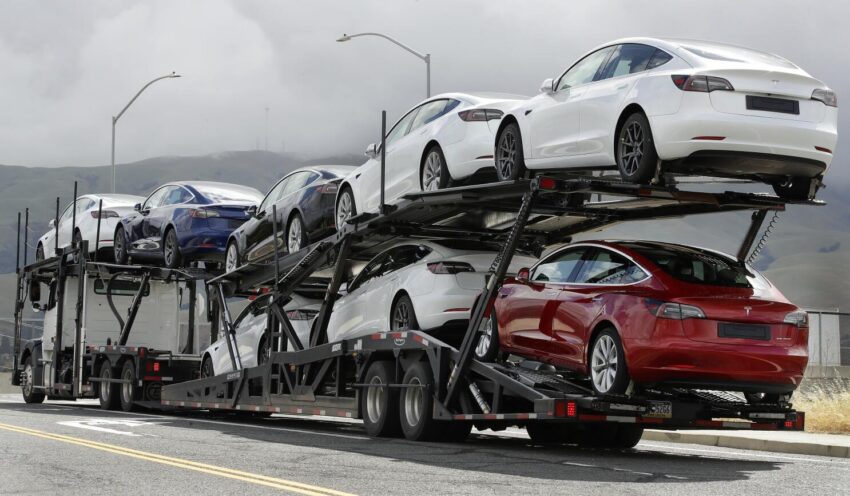
Electric cars are no longer the future—they are the present. In 2026, more people in the United States are choosing electric vehicles for daily driving, long trips, and even family use. Because of this growth, electric vehicle transport has become an important service for EV owners who need to move their car safely from one place to another. Whether you are relocating, buying an EV online, or sending a vehicle across states, understanding how EV transport works can save you time, money, and stress.
Electric vehicles are different from gas-powered cars in many ways. They use large batteries, advanced software, and sensitive electrical systems. These features make EVs more delicate during shipping. That is why EV transport requires extra care, proper handling, and trained professionals who understand how these vehicles work.
One of the biggest concerns for EV owners is battery safety. In 2026, EV batteries are stronger and more reliable than before, but they still need special attention during transport. Carriers must ensure the battery is properly charged—not too high and not too low—before loading. Most experts recommend keeping the charge between 30% and 50%. This helps protect battery health and reduces risks during shipping.
Another important factor is loading and unloading. Electric vehicles often sit lower to the ground and are heavier due to the battery pack. Because of this, drivers use specialized ramps and equipment to avoid scraping or damaging the underside. Some EVs also have special towing modes that must be activated before transport. A professional carrier will know how to prepare the vehicle correctly.
In 2026, customers can choose between open and enclosed transport for their electric vehicles. Open transport is the most common and cost-effective option. Your vehicle is shipped on an open carrier along with other cars. Enclosed transport, while more expensive, offers extra protection from weather, dust, and road debris. This option is often preferred for luxury EVs or brand-new models.
Technology has also improved the EV transport experience. Many auto transport companies now offer real-time tracking, digital inspection reports, and faster customer support. These tools help customers feel confident and informed throughout the shipping process. You can know where your car is and when it will arrive without constant phone calls.
Cost is another topic many EV owners ask about. Transporting an electric vehicle may cost slightly more than shipping a gas car. This is because of the extra care, equipment, and training involved. However, prices in 2026 are becoming more competitive as more carriers enter the EV transport market. Distance, vehicle size, transport type, and delivery speed all affect the final price.
Preparation is key to a smooth transport process. Before shipping your EV, clean it and take photos to record its condition. Remove personal items and accessories. Disable alarms and set the vehicle to transport or valet mode if required. These simple steps help avoid delays and misunderstandings.
Insurance coverage is also important. Reputable transport companies provide insurance that covers your vehicle during transit. Always ask for proof of insurance and understand what is included. In 2026, transparency in coverage has improved, but it is still smart to read the details.
As electric vehicles continue to grow in popularity, the demand for safe and reliable transport services will only increase. Choosing the right provider makes all the difference. A company with experience in EV shipping understands the technology, the risks, and the best practices needed for safe delivery.
In the end, professional electric vehicle transport gives EV owners peace of mind. With the right planning and a trusted provider like Spark Auto Transport, shipping your electric car across the USA can be simple, secure, and stress-free.