
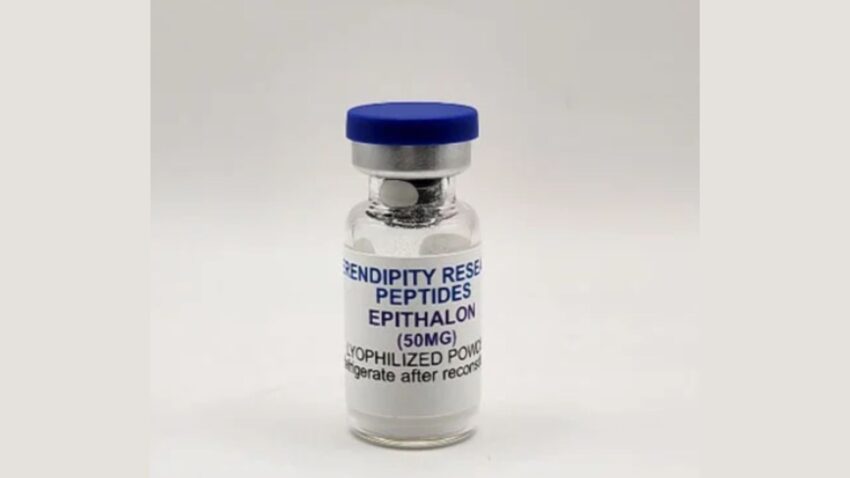
Aging has puzzled scientists for decades, pushing researchers to explore solutions that go beyond skincare and lifestyle tweaks. One compound gaining attention in longevity research is epithalon peptide. Early studies suggest it could influence fundamental aging processes, offering a fresh perspective for biotechnology and pharmaceutical innovation.
With lab results showing potential effects on cellular health, epithalon is capturing interest across research facilities and clinical laboratories.
How Epithalon Peptide Works?
Epithalon peptide is a short-chain peptide first discovered in Russia. Its primary function appears to target telomeres, protective caps at the ends of chromosomes. Telomeres shorten with age, and this shortening is associated with cellular aging and eventual cell death. By supporting telomere maintenance, epithalon may slow cellular aging and improve tissue function.
In addition to telomere effects, the peptide may influence:
- The activity of enzymes that regulate cell division and repair.
- Hormone regulation, particularly melatonin, plays a role in circadian rhythm and sleep quality.
- Cellular apoptosis helps the body remove damaged or dysfunctional cells efficiently.
These mechanisms suggest a potential for epithalon to improve cellular health, offering a pathway to extended lifespan and improved quality of life.
Research Insights
Studies conducted on lab animals and human cell cultures show promising outcomes. Mice treated with epithalon exhibited increased lifespan, improved immune function, and reduced age-related deterioration. In human trials, the peptide showed potential in enhancing telomere length and promoting cellular repair.
Although data remains preliminary, the research points to several areas of interest for biotech companies and clinical labs:
- Age-related diseases such as cardiovascular issues, neurodegeneration, and immune decline.
- Potential synergy with other anti-aging compounds and peptides.
- Integration into regenerative medicine and longevity-focused therapies.
These findings indicate a growing scope for buying epithalon peptide in controlled research environments to explore therapeutic potential.
Applications and Potential
The versatility of epithalon peptide opens doors for multiple applications:
- Cellular rejuvenation: Supporting telomere health and improving cell longevity.
- Hormonal balance: Influencing melatonin and other regulatory hormones.
- Disease prevention: Reducing risks linked to age-related cellular degeneration.
Bullet points for quick insight:
- Enhances telomere stability.
- Promotes cellular repair and regeneration.
- Supports immune system function.
- May improve sleep and hormone balance.
- Shows potential in age-related disease mitigation.
Research institutions and pharmaceutical companies are exploring scalable methods for production and delivery. These efforts could make epithalon peptide a cornerstone in next-generation anti-aging interventions.
Challenges and Considerations
Despite the promise, several factors require careful attention. Regulatory frameworks differ globally, making clinical approvals complex. Long-term human studies are still limited, and dosage optimization remains a critical area. Controlled trials with larger populations are necessary to confirm safety and efficacy.
Additionally, sourcing high-quality peptides is essential. Laboratory-grade epithalon peptide ensures reliable results and reduces variability in experiments, which is crucial for biotechnology and pharmaceutical research.
Final Thought
Epithalon peptide stands at an exciting crossroads of science and longevity. Its potential to influence cellular aging, hormone regulation, and immune function makes it a compelling candidate for future anti-aging strategies. While research is ongoing, the peptide is already shaping conversations in labs, biotech firms, and clinical environments.
With rigorous studies and innovation, epithalon peptide could redefine how science approaches aging, making longevity research a practical and actionable pursuit.