
Introduction
Shift Work Sleep Disorder (SWSD) is a common sleep problem that affects people who work night shifts, rotating shifts, or early morning schedules. It happens because your work hours do not match your body’s natural sleep cycle. As a result, you may struggle to sleep during the day and feel sleepy while working. This condition can affect your health, mood, and job performance if left unmanaged.
A lot of people are in search of methods for staying alert at work but also for improving sleep health. In some cases, a physician can advise taking Modalert 100 to patients having problems with excessive daytime sleepiness because of suffering Shift Work Sleep Disorder. But such medication can be taken only under a doctor’s prescription as a part of the entire treatment program.
In case patients have more serious symptoms, they can be prescribed other treatments by their doctor. In some situations, a patient might be advised to take Modalert 200 instead of the previous one by his doctor. But still, only medication cannot help to cure bad sleeping. There is no doubt that the combination of the right sleep regimen, healthy routine, and stress management will give the best results. The specialists in the USA, Canada, and Australia usually recommend using the combination of the right behavior and medical care.
What Is Shift Work Sleep Disorder?
Shift Work Sleep Disorder is a condition that arises from the disruption of the internal body clock due to conflicting schedules. Shift workers do not get to sleep during the night when the body clock expects them to be active; they have to sleep during the daytime when the body clock wants them to be awake.
The result is poor sleep quality, trouble sleeping, and excessive sleepiness while on duty.
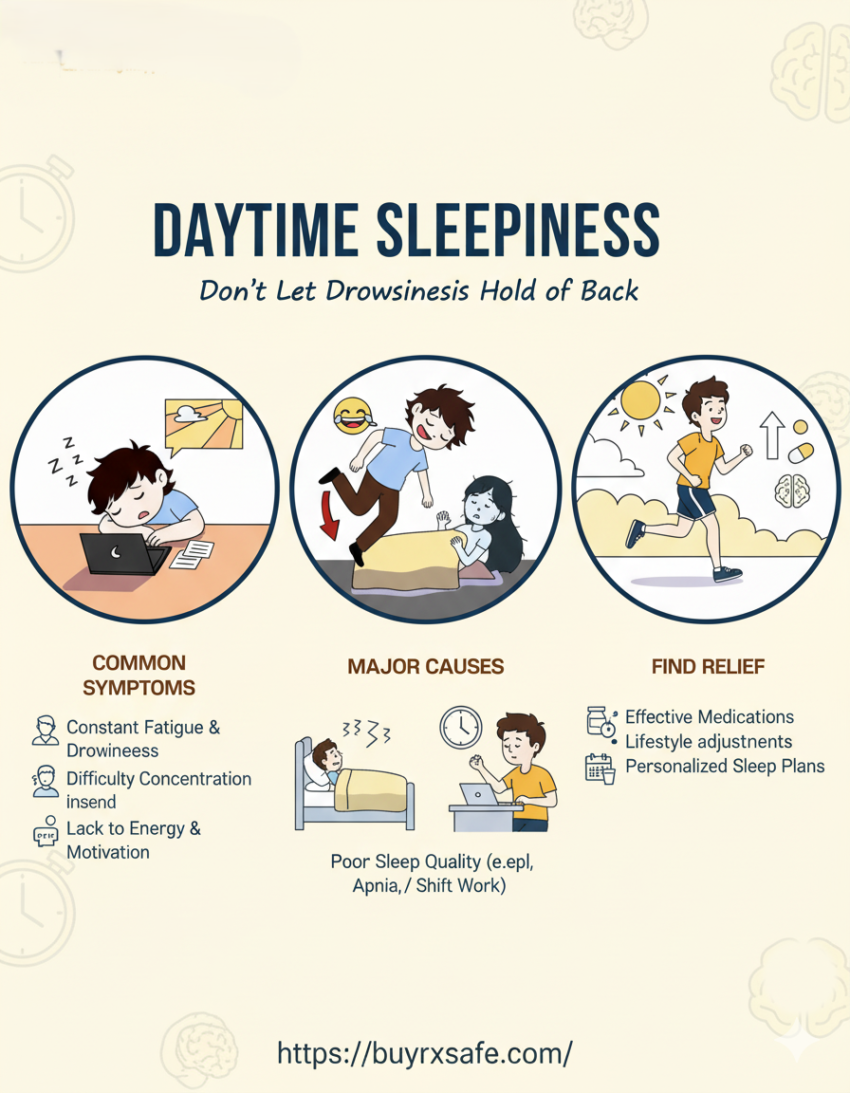
Common Symptoms
People with Shift Work Sleep Disorder may experience:
- Trouble falling asleep after work
- Waking up several times during sleep
- Feeling tired throughout the day
- Difficulty concentrating
- Low energy
- Irritability
- Reduced work performance
- Increased risk of workplace mistakes
Symptoms can vary from person to person depending on work schedule and overall health.
Why Does Shift Work Sleep Disorder Happen?
Your brain follows a natural 24-hour sleep cycle. Sunlight tells your body when to stay awake, while darkness signals sleep.
Working overnight interrupts this rhythm. As a result, your body becomes confused, making it harder to sleep deeply during the day and stay alert at night.
Other factors include:
- Rotating work schedules
- Long working hours
- Frequent overtime
- Bright light exposure during nighttime work
- Noise during daytime sleep
- Family responsibilities reducing sleep time
Best Ways to Manage Shift Work Sleep Disorder
Keep a Consistent Sleep Schedule
Go to bed and wake up at the same time every day, even on your days off whenever possible.
A regular routine helps train your body to expect sleep at a specific time.
Create a Sleep-Friendly Bedroom
Your bedroom should support deep, uninterrupted sleep.
Simple improvements include:
- Use blackout curtains
- Wear an eye mask
- Reduce outside noise
- Keep the room cool
- Turn off electronic devices
- Avoid bright lights before sleeping
A quiet sleeping environment can improve sleep quality significantly.
Limit Caffeine Before Sleep
Many shift workers drink coffee or energy drinks to stay awake.
While caffeine can increase alertness, drinking it too close to bedtime may make it difficult to fall asleep.
Try to stop consuming caffeine several hours before your planned sleep time.
Eat Healthy Meals
A balanced diet supports better energy and sleep.
Choose foods such as:
- Fruits
- Vegetables
- Whole grains
- Lean proteins
- Nuts
- Yogurt
Avoid heavy meals immediately before sleeping because they may cause discomfort.
Stay Physically Active
Regular exercise helps improve sleep quality and overall health.
Walking, cycling, stretching, or light strength training several days each week can improve energy levels.
Avoid intense workouts just before bedtime.
Manage Light Exposure
Light strongly affects your body’s internal clock.
During work:
- Stay in bright light to remain alert.
After work:
- Wear sunglasses if traveling home during daylight.
- Keep your bedroom dark while sleeping.
These small changes help your body adjust more easily.
Avoid Alcohol Before Sleeping
Some people think alcohol helps them sleep.
Although it may make you feel sleepy at first, alcohol often reduces sleep quality and increases nighttime awakenings.
Choosing healthier relaxation methods usually produces better sleep.
Reduce Stress
Stress can make falling asleep much harder.
Helpful relaxation techniques include:
- Deep breathing
- Meditation
- Reading a book
- Gentle stretching
- Listening to calming music
Practicing these habits before bedtime can prepare your body for sleep.
Take Short Naps Carefully
A short nap before starting a night shift may improve alertness.
Keep naps brief, usually around 20 to 30 minutes, so you wake feeling refreshed instead of groggy.
Stay Hydrated
Even mild dehydration can increase tiredness.
Drink enough water throughout your shift while avoiding large amounts immediately before bedtime to reduce nighttime bathroom trips.
When Should You See a Doctor?
You should speak with a healthcare professional if:
- Sleep problems continue for several weeks.
- Daytime sleepiness becomes severe.
- You struggle to stay awake while driving.
- Fatigue affects your work performance.
- You experience mood changes or depression.
Early treatment can prevent complications and improve daily life.
Possible Health Risks of Untreated Shift Work Sleep Disorder
Ignoring symptoms may increase the risk of:
- Workplace accidents
- Road accidents
- Poor concentration
- Reduced productivity
- High stress levels
- Heart health problems
- Weight gain
- Diabetes risk
- Mental health concerns
Managing sleep early helps reduce these long-term risks.
Healthy Daily Habits for Shift Workers
Simple daily habits make a big difference.
Try to:
- Sleep for seven to nine hours whenever possible.
- Follow a regular bedtime routine.
- Eat balanced meals.
- Exercise regularly.
- Avoid smoking.
- Limit caffeine before sleep.
- Keep your bedroom dark and quiet.
- Ask family members to avoid disturbing your sleep.
Consistency is one of the most effective ways to improve sleep.
Shift Work Around the World
Many healthcare professionals, factory workers, emergency service workers, transporters, and security personnel operate outside normal daytime hours.
Individuals in the United States, Canada, and Australia often utilize sleep scheduling techniques, fatigue prevention at the workplace, and expert medical consultations to mitigate the symptoms of Shift Work Sleep Disorder. Adherence to proper sleeping patterns is beneficial for all workers to become more alert.
Conclusion
Shift Work Sleep Disorder will certainly influence your body condition, thinking process, and the quality of life you have, but it can be treated effectively in many cases. Healthy sleep habits, a pleasant sleeping environment, control of lighting, good nutrition, exercise, and decreased stress level are all important elements of a good sleep.
A number of adults can be prescribed some treatment by their doctors, but still changes in one’s lifestyle will be the most significant aspect of treatment. In case of ongoing sleepiness despite healthy lifestyle, it is necessary to visit an experienced healthcare specialist.