
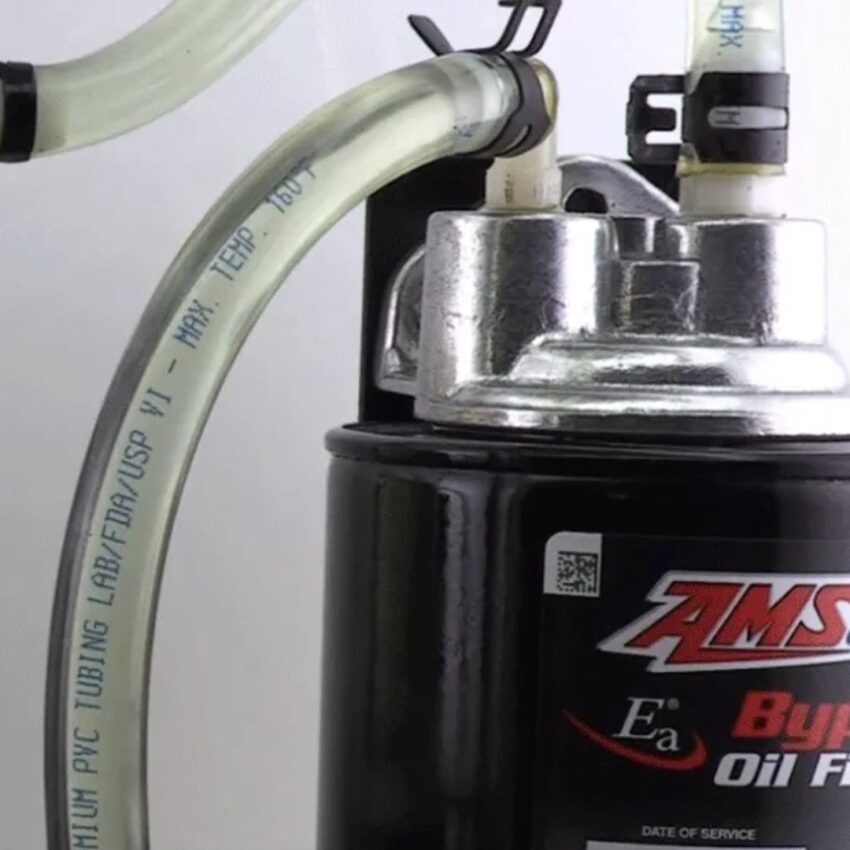
Engines rarely fail overnight. Most of the time, the damage builds slowly. One of the biggest reasons is oil contamination. Even with regular oil changes, microscopic particles keep moving through the engine. Standard full-flow filters catch the larger debris, but extremely fine contaminants usually pass through. They stay suspended in the oil.
Over time, those particles contribute to wear. Sludge forms. Oil breaks down sooner than expected.
That’s where diesel oil bypass filter systems come in. They don’t replace the main filter. Instead, they work alongside it. The goal isn’t simply filtration; it’s deeper oil cleanliness that helps engines run longer and more efficiently.
The Limits of Standard Oil Filtration
Most diesel engines rely on full-flow filtration. The system has to manage two things at once: removing debris while still allowing oil to circulate quickly through the engine.
Because of that balance, full-flow filters typically capture particles around 20-40 microns. Smaller contaminants stay in circulation. On paper, they seem insignificant, but they’re often the particles responsible for the most long-term wear.
Some common things that can get into diesel oil are:
- Soot that comes from burning
- Tiny metal particles that wear down
- Dirt is getting in through the air intake systems
- Oxidation by-products that happen when heat and stress are present
These contaminants keep moving through bearings, piston rings, and other important engine parts if they aren’t filtered more deeply.
How Diesel Oil Bypass Filter Systems Work
Diesel oil bypass filter systems address the issue differently. Instead of filtering the entire oil flow, they clean a small portion at a time using extremely fine filtration.
A bypass system diverts a secondary stream of oil through a highly efficient filter element. The process is slow but very precise.
This secondary filtration removes particles far smaller than standard filters can capture.
It has a number of significant advantages, including:
- Ability to filter out particles to very small micron sizes, as well as
- Over time, continuously clean the entire oil supply,
- Reduce soot created by diesel engines.
- Allows for longer oil change intervals when done with proper monitoring of oil condition.
The process is steady and continuous. As the engine runs, the bypass filter keeps polishing the oil, removing contaminants that would otherwise remain suspended.
Why Cleaner Oil Matters for Diesel Engines
Cleaner oil has a direct impact on engine durability. When contamination levels drop, friction and abrasive wear decline as well.
Benefits often include:
- Less wear and tear on the engine over time
- Oil lasts longer
- Better protection for moving parts and bearings
- Less sludge and varnish build-up
This difference becomes more obvious when diesel engines are under heavy loads or run for long periods of time. Trucks, construction equipment, and farm machinery often work for long periods of time, and clean oil is very important for the machines to work well.
Conclusion
Oil contamination is unavoidable in diesel engines. What matters is how that contamination is managed. Standard filters remove larger debris, but smaller particles continue circulating unless additional filtration is used.
The use of diesel oil bypass filtration systems helps to close that gap. These systems are designed to gradually improve overall oil cleanliness by removing extremely small contaminants. When these systems are added to a full fleet lubrication solution, they provide longer oil life, better protection for engines, and help with more predictable maintenance scheduling.