
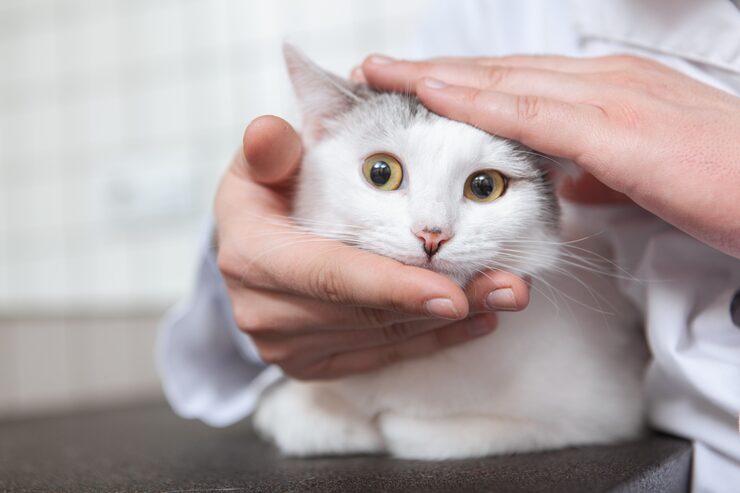
Indoor cats often live longer than outdoor cats. They face fewer dangers from traffic, harsh weather, and wild animals. Yet many indoor cats develop hidden health problems over time. Weight gain, stress, poor dental health, and low activity levels can affect their quality of life. Regular care from a trusted cat hospital helps prevent these issues before they become serious.
Your cat depends on you for daily care, mental stimulation, and medical support. Small habits shape your cat’s long-term health. The right routine can improve energy, mobility, digestion, and behavior. This guide explains practical ways to keep your indoor cat healthy, active, and comfortable at every life stage.
Create a Daily Routine Your Cat Can Trust
Cats feel safe with routine. Sudden changes can create stress and behavior problems. Feeding, playtime, and sleep schedules should stay consistent each day.
Feed your cat at the same times every day. Keep fresh water available in quiet areas. Clean the litter box often. A dirty litter box can cause anxiety and accidents around the home.
Indoor cats also need regular movement. Short play sessions help reduce boredom and excess weight. Even ten minutes of active play twice daily can improve physical health.
Simple activities include:
- Chasing feather toys
- Climbing cat trees
- Puzzle feeders
- Window watching
- Laser pointer games
Cats may seem calm during the day, but many struggle with low activity. Over time, this can lead to obesity and joint stress.
Why Nutrition Matters More Than Most Owners Think
Many indoor cats eat more calories than they burn. This leads to weight gain slowly and quietly. Extra weight increases the risk of diabetes, arthritis, heart disease, and liver problems.
Choose food designed for your cat’s age and activity level. Kittens, adults, and senior cats have different nutritional needs. Portion control also matters. Free feeding can encourage overeating.
Healthy nutrition habits include:
- Measuring meals properly
- Limiting treats
- Providing balanced protein
- Monitoring weight changes
- Encouraging hydration
Cats often hide illness well. A sudden loss of appetite or weight should never be ignored. These signs may point to dental disease, digestive issues, or kidney problems.
Signs Your Cat Needs Veterinary Attention
Indoor cats still require routine medical care. Many illnesses develop silently during the early stages. Regular exams help detect problems before symptoms worsen.
Watch for changes in:
- Eating habits
- Grooming behavior
- Litter box use
- Energy levels
- Breathing patterns
- Social interaction
A cat that hides often, stops jumping, or avoids touch may feel pain. Dental disease is especially common in indoor cats. Bad breath, drooling, or chewing on one side of the mouth may signal oral discomfort.
Frequent vomiting should also raise concern. Many owners think hairballs are normal, but repeated vomiting may indicate digestive problems or food sensitivity.
How a Cat Hospital Supports Preventive Care
A trusted cat hospital plays a major role in long-term feline wellness. Preventive care helps your cat stay healthier through every stage of life.
Routine wellness visits often include:
- Physical examinations
- Weight checks
- Dental assessments
- Parasite screening
- Vaccination updates
- Blood and urine testing
These visits help catch hidden problems early. Kidney disease, thyroid conditions, and diabetes often show subtle symptoms at first. Early treatment improves outcomes and lowers long-term health risks.
Senior cats need closer monitoring. Aging affects joints, muscles, vision, and organ function. Many older cats develop arthritis but show only small behavior changes. They may stop climbing stairs or hesitate before jumping.
Regular checkups give veterinarians a clear view of your cat’s changing health needs.
Mental Stimulation Is Just as Important
Indoor cats need mental exercise as much as physical movement. A bored cat may scratch furniture, overeat, or develop stress behaviors.
Rotate toys often to keep your cat interested. Add climbing shelves or scratching posts around the home. Cats enjoy spaces where they can climb, hide, and observe safely.
You can also:
- Hide treats around the house
- Use food puzzles
- Change play activities weekly
- Provide safe window access
- Introduce new textures and toys
Some cats enjoy training sessions using treats and praise. Teaching simple commands keeps the brain active and strengthens trust.
Stress can weaken the immune system over time. Mental enrichment helps reduce anxiety and supports emotional health.
The Importance of Dental Health in Indoor Cats
Dental disease affects many cats before they reach middle age. Plaque and tartar build slowly under the gumline. Without treatment, this can lead to pain, infection, and tooth loss.
Cats rarely show obvious signs of oral pain. Many continue eating despite severe discomfort.
Warning signs include:
- Bad breath
- Drooling
- Pawing at the mouth
- Bleeding gums
- Difficulty chewing
- Reduced appetite
Routine dental exams at a cat vet clinic help detect problems early. Professional cleanings remove harmful buildup and protect long-term oral health.
Home care also matters. Dental treats, water additives, and brushing can support cleaner teeth between veterinary visits.
Keep Your Indoor Cat at a Healthy Weight
Obesity remains one of the biggest health problems in indoor cats. Extra weight puts pressure on joints and organs. It also reduces energy and mobility.
Many owners miss early weight gain because it happens gradually. A healthy cat should have a visible waist and a slight tummy tuck.
Ways to manage weight include:
- Scheduled feeding times
- Daily play sessions
- Portion control
- Interactive toys
- Slow feeders
Crash diets are dangerous for cats. Rapid weight loss can harm the liver. Safe weight management should happen slowly with veterinary guidance.
A cat vet clinic can help create a safe nutrition and exercise plan based on your cat’s age, breed, and medical history.
Why Senior Cats Need Extra Support
Cats age faster than most people realize. Around age seven, many cats begin to show signs of aging. Joint stiffness, hearing loss, and slower movement become more common.
Older cats benefit from:
- Softer bedding
- Easy litter box access
- Low-entry litter boxes
- Ramps or steps
- More frequent health exams
Senior cats may also drink more water or lose muscle mass. These changes can point to kidney disease or thyroid problems.
Blood testing helps detect these conditions early. Quick action can improve comfort and extend quality of life.
Never assume behavior changes are simply part of aging. Many problems improve with proper treatment and care.
A Healthy Indoor Cat Starts With Consistent Care
Indoor cats rely fully on the environment you create for them. Small daily habits shape their physical and emotional health for years. Good nutrition, exercise, dental care, and mental stimulation all work together to support a longer and healthier life.
Regular visits to a trusted cat hospital help detect hidden problems before they become serious. Preventive care gives your cat the best chance for a comfortable and active future. If you want experienced guidance for your pet’s wellness needs, Silverado Veterinary Hospital provides compassionate care focused on feline health, preventive medicine, and long-term wellbeing. Visit us to help your cat stay healthy, active, and protected through every stage of life.
Frequently Asked Questions
How often should indoor cats visit a veterinarian?
Most adult indoor cats should have a wellness exam once a year. Senior cats often need checkups every six months.
Why do indoor cats still need vaccinations?
Indoor cats can still face disease risks through open windows, other pets, or accidental outdoor exposure. Vaccinations help protect long-term health.
What are common health problems in indoor cats?
Indoor cats commonly face obesity, dental disease, arthritis, diabetes, kidney disease, and stress-related behavior issues.
How can I keep my indoor cat active?
Daily play sessions, climbing spaces, puzzle feeders, and interactive toys help improve physical and mental activity.
When should I take my cat to a cat vet clinic immediately?
Seek veterinary care quickly if your cat stops eating, struggles to breathe, hides constantly, vomits often, or shows sudden behavior changes.