
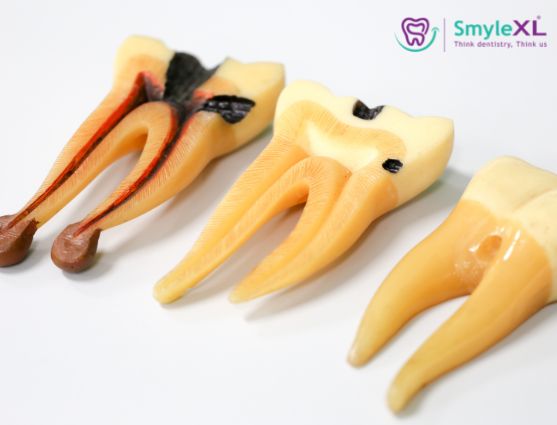
Tooth pain is not something that should be ignored. A mild cavity or sensitivity can slowly turn into severe pain, swelling, and infection if left untreated. In many cases, dentists recommend root canal treatment to save the natural tooth and stop the infection from spreading further.
Many patients hesitate before treatment because they are unsure about the procedure, recovery time, and the root canal treatment cost. Understanding the importance of timely treatment and how root canal therapy works can help patients feel more confident about their dental care decisions.
In this blog, we will discuss the causes of tooth infections, how root canal treatment helps, factors affecting treatment cost, and why modern dental care has made the procedure safer and more comfortable than ever before.
What Is Root Canal Treatment?
Root canal treatment is a dental procedure used to treat infection inside the tooth. The inner pulp of the tooth contains nerves and blood vessels, and when bacteria reach this area, severe pain and swelling may occur.
The treatment focuses on:
- Removing infected tissue
- Cleaning and disinfecting the tooth
- Sealing the canals properly
- Restoring the tooth structure
The goal is to eliminate infection while preserving the natural tooth.
Common Symptoms of Tooth Infection
Tooth infections usually develop gradually. Early symptoms may seem minor, but they can become severe if treatment is delayed.
Some common dental infection symptoms include:
Continuous Tooth Pain
Persistent pain while eating or drinking can indicate infection.
Swelling Around the Gums
Swelling near the tooth root often occurs because of bacterial infection.
Sensitivity to Temperature
Pain while consuming hot or cold foods may indicate nerve damage.
Bad Breath
Infections can sometimes cause unpleasant breath or taste in the mouth.
Pain While Biting
Pressure on the infected tooth may increase discomfort.
Early treatment helps prevent the infection from spreading to nearby tissues.
Why Root Canal Treatment Is Necessary
Root canal therapy is often necessary when the inner tooth pulp becomes infected or inflamed. Without treatment, the infection can worsen and eventually lead to tooth loss.
Benefits of root canal therapy include:
- Saving the natural tooth
- Reducing severe pain
- Preventing infection spread
- Restoring chewing ability
- Improving oral health
Modern root canal procedures are designed to provide effective and long-lasting relief.
Understanding Tooth Decay and Deep Cavities
Tooth decay is one of the leading causes of pulp infection. When cavities are not treated early, bacteria move deeper inside the tooth and damage the nerves.
Common causes of cavity causing tooth pain include:
- Poor oral hygiene
- Sugary food and drinks
- Delayed cavity treatment
- Irregular dental visits
Proper dental care helps prevent deep cavities and future infections.
How Root Canal Treatment Works
Many patients are nervous because they do not know how root canal works. Understanding the process can reduce fear and help patients feel more comfortable.
Step 1: Dental Examination
The dentist examines the tooth and takes X-rays to identify infection.
Step 2: Numbing the Area
Local anesthesia is used to ensure comfortable treatment.
Step 3: Cleaning the Canals
The infected pulp and bacteria are removed carefully.
Step 4: Sealing the Tooth
The cleaned canals are filled and sealed to prevent reinfection.
Step 5: Tooth Restoration
A crown may be placed for additional strength and protection.
Modern techniques make the treatment much smoother and less painful than many people expect.
Benefits of Root Canal Treatment
Root canal therapy offers several long-term oral health benefits. One of the biggest benefits of root canal treatment is preserving the natural tooth instead of removing it.
Additional benefits include:
- Long-lasting pain relief
- Improved chewing comfort
- Better oral hygiene
- Prevention of tooth extraction
- Protection against infection spread
Saving the natural tooth also helps maintain proper jaw alignment and appearance.
Tooth Restoration Procedure After Root Canal
After infection removal, the treated tooth may require additional support to restore strength and function. A proper tooth restoration procedure helps protect the tooth from fractures and future damage.
Restoration options may include:
- Dental fillings
- Crowns
- Tooth rebuilding procedures
Molars especially require strong restoration because they handle heavy chewing pressure.
Long Lasting Dental Solution for Tooth Pain
Root canal treatment is considered a long lasting dental solution when combined with proper oral hygiene and follow-up care.
A successfully treated tooth can last for many years if patients:
- Brush and floss regularly
- Avoid excessive sugary foods
- Visit the dentist routinely
- Protect teeth from grinding or injury
Proper care helps maintain the treated tooth and overall oral health.
Complete Dental Care for Teeth Pain
Managing tooth pain requires more than temporary pain relief medicines. Professional complete dental care for teeth pain focuses on identifying and treating the root cause of the problem.
Comprehensive dental care may include:
- Dental examination
- X-rays and diagnosis
- Infection treatment
- Root canal therapy
- Tooth restoration
- Preventive oral care
Complete treatment helps ensure long-term relief and healthier teeth.
Importance of Oral Health and Tooth Care
Good oral hygiene is essential for preventing infections and maintaining strong teeth. Proper oral health and tooth care habits can significantly reduce the risk of cavities and gum disease.
Healthy oral care habits include:
Brushing Twice Daily
Use fluoride toothpaste and brush gently.
Daily Flossing
Flossing removes plaque between teeth.
Healthy Diet
Limit sugary foods and acidic beverages.
Regular Dental Visits
Routine checkups help detect problems early.
Consistent dental care supports long-term oral health.
Modern Dentistry and Painless Dental Care
Many people fear dental procedures because of old myths about pain. However, today’s painless dental care techniques focus on patient comfort and advanced treatment methods.
Modern dental technology includes:
- Advanced anesthesia methods
- Digital dental imaging
- Rotary root canal instruments
- Improved sterilization systems
These advancements help make treatment faster, safer, and more comfortable.
Choosing the Right Root Canal Specialist
Selecting the right dental professional is important for successful treatment and long-term oral health.
When choosing a root canal specialist, consider:
- Experience in endodontic procedures
- Modern equipment and technology
- Hygiene standards
- Patient reviews and reputation
- Comfortable clinic environment
Experienced dentists can provide accurate diagnosis and better treatment outcomes.
Preventing Future Tooth Infections
Preventive care is the best way to avoid severe dental problems in the future.
Helpful prevention tips include:
- Do not ignore tooth sensitivity
- Treat cavities early
- Maintain regular oral hygiene
- Avoid excessive sugary snacks
- Schedule regular dental checkups
Early treatment and preventive care reduce the chances of serious infection.
Conclusion
Tooth pain can become severe if left untreated, especially when infection spreads inside the tooth pulp. Root canal treatment is a highly effective solution for relieving pain, saving natural teeth, and restoring oral health. Understanding the treatment process and the factors affecting cost helps patients make informed dental care decisions.
If you are searching for reliable information about rct cost in new bel road, consulting experienced dental professionals can help you choose the right treatment based on your dental condition.
📞 Book your appointment today at Smylexl Dental Clinic and get expert dental care for a healthier, pain-free smile.