
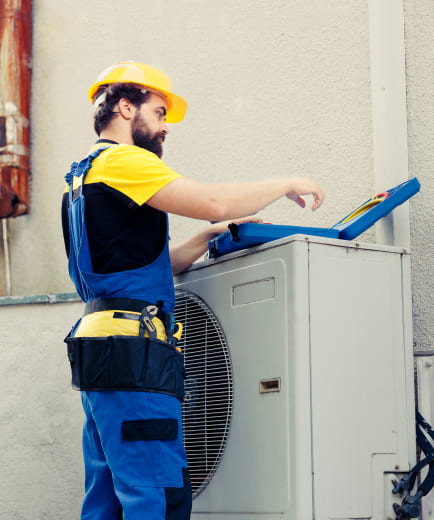
Most home climate problems do not start with sudden breakdowns. They start with weak airflow, pressure imbalance, and hidden stress inside ducts and units. Over time, the system loses balance without showing clear warning signs. This is where split system heating and cooling installation becomes important. It resets airflow paths, reduces internal load, and fixes failures that sit hidden inside home climate systems.
Hidden Airflow Failure Starts Long Before You Notice Comfort Loss
Airflow failure does not show up instantly. It builds quietly inside the system. Here is the real pattern:
- Air moves more slowly through vents
- Dust builds inside ducts and filters
- Temperature spreads unevenly across rooms
- System runs longer cycles to compensate
So the home still “works,” but the system loses efficiency every day. This hidden stage is where long-term damage begins.
Why Most Homes Run On “Strained Airflow Mode” Without Knowing?
Most HVAC systems do not fail completely. They enter a stressed working state. Common signs include:
- Weak airflow in distant rooms
- Constant fan operation
- Uneven heating and cooling zones
- Higher electricity usage without comfort gain
This is not a visible breakdown. It is a performance collapse happening during normal operation. Split systems help reset this by removing dependency on one central airflow path.
How Split System Installation Fixes Airflow Distribution Failure?
A split system changes how air moves through the home. Instead of pushing air through long duct networks, it:
- Delivers air directly into specific zones
- Reduces pressure loss in long duct paths
- Balances the temperature room by room
- Reduces strain on one central unit
So, airflow does not fight resistance anymore. It flows in controlled sections. This is one of the main reasons modern homes move toward split system designs.
The Pressure Imbalance Problem That Damages HVAC Systems
Airflow failure creates a pressure imbalance inside the system. This leads to:
- Overworked motors
- Heat buildup in internal components
- Delayed thermostat response
- Increased wear on moving parts
Pressure imbalance is dangerous because it does not trigger an immediate shutdown. It slowly reduces system lifespan. Split systems reduce this risk by dividing the load across multiple indoor units.
Electrical Load Stress That Grows From Poor Airflow
Airflow problems do not stay limited to air movement. They affect electrical performance, too. When airflow drops:
- System runs longer cycles
- Electrical components heat up
- Energy draw increases
- Wiring and relays face repeated stress
Over time, this creates internal overheating zones inside the unit. Split systems reduce this stress because each unit handles a smaller workload.
Why Older Systems Often Fail During Seasonal Peaks?
Peak weather exposes hidden weaknesses. During extreme summer or winter:
- Systems run nonstop
- Air filters clog faster
- Heat exchange becomes inefficient
- Cooling and heating cycles stretch longer
This is when hidden airflow failures turn into visible breakdowns. Split systems handle seasonal load better because they distribute demand across multiple zones instead of one central system.
Where Furnace And Heating Load Become Critical Risk Points
Heating systems face a higher risk because they operate under constant thermal pressure. Common furnace-related failures include:
- Delayed ignition cycles
- Restricted airflow in heat exchangers
- Overheating due to blocked filters
- Faulty shutdown sensors
This is where the central heating system installation cost becomes a factor that homeowners often compare before upgrading. Split systems reduce furnace dependency by balancing heat delivery more evenly across zones.
Real Failure Chain Inside A Struggling Home HVAC System
Here is how hidden failure usually grows:
- The air filter gets blocked
- Airflow drops across rooms
- System runs longer to adjust
- Internal heat builds up
- Electrical load increases
- Component stress reaches limit
So what started as a small airflow issue turns into a full system breakdown cycle. Split system installation breaks this chain early by reducing central dependency.
What Split System Installation Actually Fixes (Simple Breakdown)
A split system directly corrects core failure points:
- Fixes uneven airflow distribution
- Reduces pressure buildup in ducts
- Lowers electrical overload stress
- Stabilizes room temperature differences
- Improves system response time
Why Split Systems Improve Long-Term Home Stability?
A properly installed split system improves stability in multiple layers:
- Balanced airflow across all rooms
- Lower electrical strain on system components
- Reduced duct dependency
- More predictable heating and cooling cycles
End Summary
Hidden airflow failures are one of the most ignored causes of HVAC inefficiency and system damage. They grow silently inside ducts, pressure paths, and electrical loads until performance drops sharply. The split system heating and cooling installation fixes these failures by separating airflow control, reducing internal stress, and balancing temperature delivery across zones. It turns unstable systems into controlled, predictable home climate setups. If you want a reliable upgrade path, understanding system design matters more than reacting to breakdowns after they appear.