
The nursing profession in India is experiencing a remarkable transformation. The Indian Nursing Council has just introduced groundbreaking Nurse Practitioner (NP) programs that are opening doors to exciting career opportunities and, more importantly, improving healthcare delivery across the nation. If you’re considering a nursing course or already pursuing a BSc nursing degree, this is the perfect time to understand how specialization is changing the game for nursing professionals.
A New Era of Specialized Nursing in India
For decades, nursing has been a respected profession, but it’s often been seen as a supporting role. That’s changing. The Indian Nursing Council’s new specialized Nurse Practitioner programs in Anesthesia, Nephrology, and Pediatric Nursing are redefining what nurses can achieve. These programs align with India’s National Health Policy, recognizing that our nation needs skilled professionals who can provide advanced, specialized care.
What makes these programs special? They’re built on a hands-on, practical learning model where future nurses spend 85% of their time in real clinical settings and 15% in theoretical training. This means you’re not just learning from textbooks—you’re gaining real-world experience that directly impacts patient care.
Nurse Practitioner in Anesthesia: Leading the Way in Critical Care
Imagine being in an operating room, understanding exactly what’s happening at every stage of surgery, and knowing you’re helping save lives. That’s what Nurse Practitioners in Anesthesia (NPA) do.
India faces a significant shortage of anesthesia providers, especially in remote areas. NPA graduates are changing this by becoming trained professionals who can manage pre-operative assessments, administer anesthesia under supervision, and provide critical post-operative care. They’re equipped to work in operating theaters, intensive care units, and emergency departments.
What you’ll learn:
- Advanced patient assessment before anesthesia
- Anesthesia administration and equipment management
- Emergency response and critical patient stabilization
- Pain management and post-operative care
For students considering a college of nursing, the NPA pathway offers one of the most direct ways to make a tangible difference in surgical outcomes. These specialists are particularly valuable in underserved areas where access to trained anesthesia professionals is limited.
Nephrology Nursing: Addressing India’s Growing Kidney Health Crisis
Chronic kidney disease is becoming increasingly prevalent in India, and there simply aren’t enough specialists to meet the demand. The Nurse Practitioner in Nephrology Nursing (NPNepN) program is filling this critical gap.
Nephrology nurses work with patients throughout their kidney disease journey—from early diagnosis to dialysis management and kidney transplants. They’re essential members of the healthcare team, providing both clinical expertise and patient education.
Key areas of specialization:
- Kidney function assessment and early disease detection
- Dialysis management (hemodialysis and peritoneal)
- Pre- and post-transplant care
- Patient and family education for long-term kidney health
If you’re passionate about preventive care and making a long-term impact on patients’ lives, nephrology nursing offers incredibly rewarding opportunities. Nursing colleges in West Bengal and across India are recognizing the importance of this specialty.
Pediatric Nursing: Caring for India’s Future Generation
With over 444 million children in India, many living in underserved communities, the need for specialized pediatric care is enormous. The Nurse Practitioner in Pediatric Nursing (NPPN) program transforms how nurses approach child health.
These specialists aren’t just treating illness—they’re promoting healthy development, preventing disease, and supporting families. They work in pediatric units, clinics, emergency rooms, and even school health programs.
What makes pediatric nursing special:
- Developmental assessment and growth monitoring
- Emergency pediatric care and neonatal support
- Chronic childhood condition management
- Family-centered holistic care
- Health promotion and disease prevention
Working with children requires a unique skill set, and NPPN graduates develop both the clinical knowledge and the compassion needed to make a difference in young lives.
Why Specialized Nursing Education Matters Today
The healthcare landscape is evolving rapidly. Patients are living longer, managing more complex conditions, and needing care from professionals who truly understand their specific health challenges. This is where specialization becomes crucial.
When you pursue a nursing course with specialization, you’re not just advancing your career—you’re increasing your earning potential, gaining deeper professional satisfaction, and positioning yourself for leadership roles. Specialized nurses become educators, consultants, and leaders within their fields.
How IQ City Institute of Nursing Sciences Supports Modern Nursing Careers
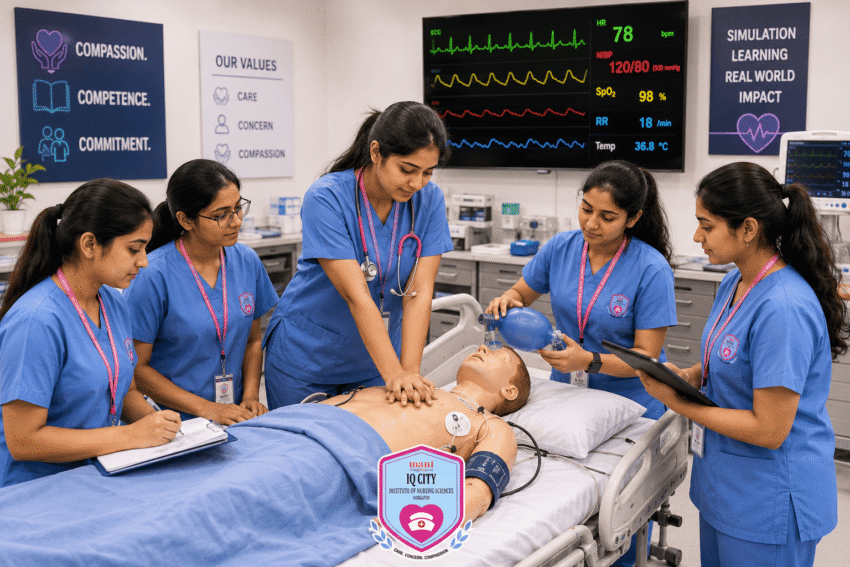
At IQ City Nursing college, we understand that today’s students need more than traditional classroom learning. We’re committed to providing the hands-on, specialized training that these Nurse Practitioner programs demand.
Our approach includes:
- State-of-the-art clinical facilities mirroring real healthcare environments
- Experienced preceptors who guide students through practical training
- Integration of international standards and best practices
- Research opportunities through evidence-based projects
- Career mentorship and professional development
As a BSc nursing private college, we recognize that students choosing our college of nursing are making an investment in their futures. We’re dedicated to ensuring they emerge as confident, competent professionals ready to transform healthcare delivery.
The Future Is Now
The introduction of these specialized Nurse Practitioner programs represents a turning point for nursing in India. These aren’t just additional certifications—they’re pathways to meaningful careers where you can address critical healthcare challenges.
Whether you’re passionate about surgical care, kidney health, or pediatrics, there’s a specialized nursing pathway that aligns with your interests. The demand is real, the opportunities are abundant, and the impact is profound.
If you’re considering your nursing education, now is the time to think beyond traditional roles. Specialization is where modern nursing careers are heading. Join the growing community of nurses who are reshaping healthcare in India—one patient, one specialty, one life-changing moment at a time.
FAQs
Q1: What exactly are Nurse Practitioner programs, and how are they different from regular nursing degrees?
A: Nurse Practitioner programs are advanced postgraduate specializations that build on your BSc nursing foundation. They focus on developing expertise in a specific medical field through intensive hands-on training (85% clinical, 15% theoretical) over two years. Unlike general nursing, NP graduates can practice more autonomously within their specialty area and provide advanced patient care under physician oversight.
Q2: What is the scope of specialized nursing practice in India right now?
A: The Indian Nursing Council’s new programs are expanding the scope significantly. Specialized nurses can now work in clinical settings, conduct advanced assessments, manage complex patient cases, and serve as educators and consultants. They’re particularly valuable in underserved areas where specialized healthcare providers are scarce.
Q3: What are the main benefits of pursuing a nursing course with specialization?
A: Specialization offers multiple advantages: higher career advancement opportunities, increased earning potential, deeper professional fulfillment, eligibility for leadership and teaching roles, and the ability to make a specialized impact on patient care. You also become more competitive in the job market and can work across multiple healthcare settings.
Q4: What kind of career opportunities are available after completing BSc Nursing and specialization?
A: Graduates can work as clinical specialists in hospitals, private clinics, dialysis centers, research institutions, and educational settings. Career paths include clinical practice, nursing education, healthcare management, research, and consulting. Many also pursue entrepreneurial opportunities by starting clinics or educational initiatives.
Q5: Why should nursing students in West Bengal specifically consider these specialized programs?
A: West Bengal, like many Indian states, faces healthcare challenges in both urban and rural areas. Specialized nurses are in high demand here. Nursing colleges in West Bengal offering these programs provide local students access to world-class education while addressing regional healthcare needs. Plus, many graduates choose to work in their home regions, creating better healthcare access for communities.