
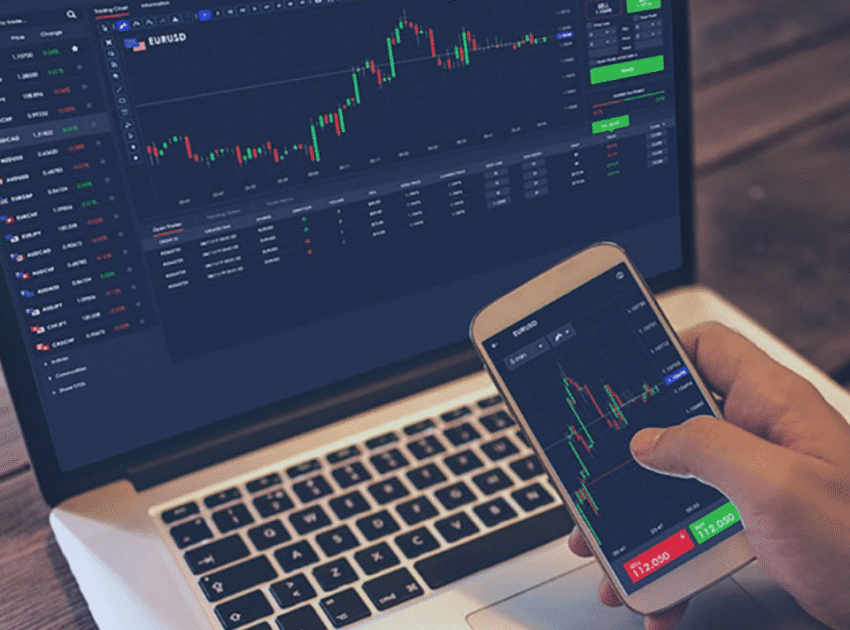
User experience plays a much bigger role in trading performance than many investors realize. In fast-moving financial markets, even small interface delays or confusing layouts can affect decision-making, execution speed, and overall trading efficiency. As digital investing continues to grow, modern equity trading platforms are competing not only on features and analytics but also on usability and interface design.
For both beginner and experienced traders, the quality of platform experience can directly influence confidence, accuracy, and reaction time. Today’s online trading platforms are increasingly focused on simplifying workflows, improving speed, and reducing friction during market activity.
Here are 10 small UX details that can significantly impact trade execution and overall trading performance.
1. Order Placement Speed
In active markets, seconds matter. Slow-loading order windows or delayed confirmations can lead to missed opportunities and unfavorable entry prices.
Well-designed equity trading platforms prioritize fast order execution with minimal clicks. Quick response times help traders react efficiently during volatile market conditions, especially in intraday or high-frequency trading environments.
2. Clear Buy and Sell Button Design
Confusing layouts or poorly differentiated buttons can cause costly trading mistakes. A simple UX improvement such as color-coded buy and sell options helps reduce execution errors.
Many online trading platforms use intuitive visual design to ensure traders can act quickly without second-guessing order actions during fast market movements.
3. Real-Time Price Updates
Accurate and instantly updated pricing information is essential for effective trade execution. Even slight delays in price feeds can affect entry and exit decisions.
Modern equity trading platforms focus heavily on real-time market synchronization to ensure traders receive updated data without noticeable lag.
This becomes particularly important during earnings announcements, market openings, or periods of high volatility.
4. Easy Access to Stop-Loss and Risk Controls
Risk management tools should never be difficult to locate. Traders need fast access to stop-loss settings, position sizing, and order modification features.
Platforms that simplify these controls help users manage risk more efficiently and reduce emotional decision-making during sudden market fluctuations.
Many experienced traders prefer online trading platforms that integrate risk management tools directly into the order placement process.
5. Mobile Optimization and Responsive Design
A growing number of investors now trade primarily through smartphones and tablets. Poor mobile experiences can lead to slower execution, navigation issues, or missed alerts.
Responsive design ensures that equity trading platforms function smoothly across all devices without sacrificing usability or performance.
Simple mobile-friendly navigation can greatly improve user confidence and trading efficiency.
6. Customizable Dashboard Layouts
Every trader has different preferences for charts, watchlists, indicators, and news feeds. Platforms that allow dashboard customization help users create workflows that match their strategies.
A cluttered interface can overwhelm traders and slow down decision-making. Flexible layouts improve focus, reduce distractions, and increase overall productivity.
This is one reason why highly customizable online trading platforms are increasingly popular among active traders.
7. Instant Trade Confirmation Feedback
After placing a trade, users need immediate confirmation that the order has been submitted, executed, or modified successfully.
Clear notifications and visual confirmations reduce uncertainty and help traders avoid duplicate orders or execution confusion.
Small UX improvements in confirmation systems can significantly improve trust and user satisfaction within equity trading platforms.
8. Smart Search and Navigation Features
Fast navigation becomes extremely important when monitoring multiple assets or market sectors. Traders should be able to search stocks, indexes, and trading instruments quickly without navigating through complicated menus.
Efficient search functionality improves speed and reduces frustration, especially during active trading sessions.
Well-structured online trading platforms simplify information access while minimizing unnecessary interface complexity.
9. Readable Charts and Data Visualization
Complex charts with poor readability can negatively impact trading decisions. Effective data visualization helps traders analyze trends, identify patterns, and make faster decisions with greater confidence.
Clean chart layouts, adjustable timeframes, and easy-to-read indicators improve analytical efficiency and reduce visual fatigue during long trading sessions.
Modern equity trading platforms increasingly prioritize user-friendly charting systems to support better decision-making.
10. Alert and Notification Management
Market alerts play a critical role in helping traders respond to price movements, news events, and portfolio changes. However, excessive or poorly timed notifications can become distracting and counterproductive.
Effective notification systems allow users to customize alerts based on their trading strategies and priorities.
Many advanced online trading platforms now use intelligent alert management to provide relevant updates without overwhelming users with unnecessary information.
Final Thoughts
Small UX design elements can have a major impact on trading efficiency, accuracy, and overall user experience. In financial markets where timing and precision matter, even minor interface improvements can influence trade execution and decision-making quality.
As competition among equity trading platforms continues to grow, companies are investing heavily in usability, speed, and intuitive design to attract and retain traders. Features such as responsive layouts, real-time updates, smart navigation, and integrated risk controls are no longer optional — they are essential components of modern trading experiences.