
Emergencies can happen anywhere and often when people least expect them. A workplace accident, sudden illness, injury, or medical emergency can leave people unsure about what to do next. Having basic first aid knowledge can help individuals respond calmly and provide appropriate assistance while waiting for professional medical help.
First Aid Training Melbourne is a practical way to develop essential emergency response skills. Whether you are completing training for work, professional requirements, or personal knowledge, first aid education can help you feel more prepared when someone needs immediate assistance.
What Is First Aid Training?
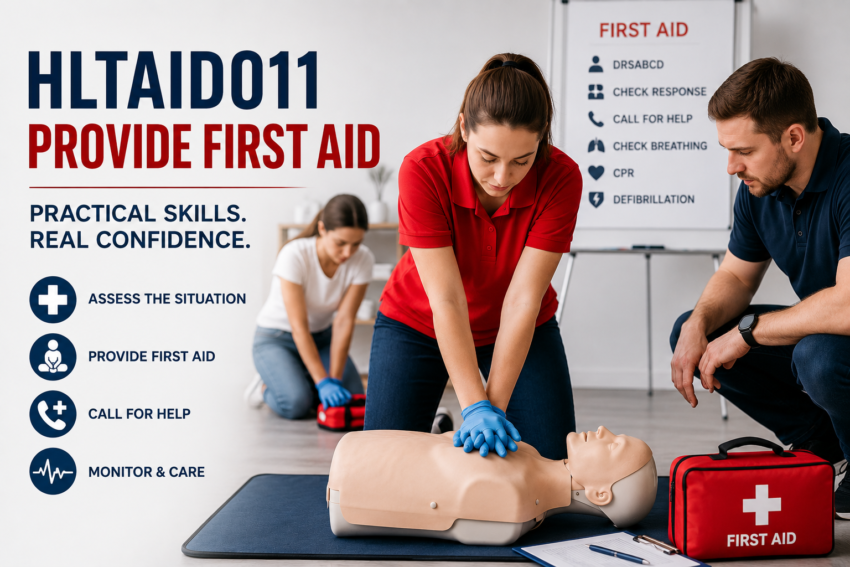
First aid training teaches participants how to respond to common injuries and medical emergencies. The training usually combines theory with practical activities so participants can understand not only what to do, but also how to perform important first aid techniques correctly.
Understanding Emergency Situations
One of the first things participants learn is how to assess an emergency safely. This includes checking the environment, assessing the person’s condition, identifying immediate risks, and determining whether emergency medical assistance is required.
Knowing how to stay calm and follow a logical process can make a difficult situation easier to manage.
What Can You Learn During First Aid Training Melbourne?
A First Aid Training Melbourne course can cover a wide range of emergency situations. The exact content depends on the course and training provider, but participants may learn how to respond to injuries, illnesses, and life-threatening emergencies.
Practical First Aid Skills
Training may include skills such as:
- Performing CPR
- Using an automated external defibrillator (AED)
- Managing severe bleeding
- Providing first aid for burns
- Responding to choking
- Supporting someone experiencing asthma
- Responding to anaphylaxis
- Managing fractures and soft-tissue injuries
- Recognising signs of shock
- Providing appropriate care until medical help arrives
Practical sessions allow participants to practise these skills in a controlled environment.
Why Is First Aid Training Important?
Having first aid knowledge can make a significant difference during an emergency. People who have completed training may feel more confident assessing a situation and taking appropriate action rather than waiting without knowing what to do.
First Aid Skills in the Workplace
Many workplaces have specific first aid needs based on their industry, size, environment, and potential hazards. Trained employees can support workplace emergency procedures and provide assistance when an incident occurs.
Employers should always check the first aid requirements relevant to their workplace and industry.
Who Should Consider First Aid Training?
First aid skills can benefit people from many different backgrounds. Employees, managers, teachers, childcare educators, hospitality workers, fitness professionals, community workers, parents, and other members of the public can all benefit from learning practical emergency response skills.
Keep Your Knowledge Current
First aid skills can become less familiar when they are not practised regularly. Completing required refresher training and reviewing workplace emergency procedures can help participants maintain their knowledge and confidence.
Choose Practical Training in Melbourne
When choosing First Aid Training Melbourne, consider whether the course provides hands-on practice, experienced trainers, suitable course content, and training that meets your particular needs.
Good first aid training should be clear, practical, and focused on preparing participants for realistic emergency situations. Learning in a supportive environment can also make it easier to ask questions and practise techniques.
Be Prepared When It Matters Most
You cannot predict when an emergency will happen, but you can prepare for one. First Aid Training Melbourne gives individuals the opportunity to learn valuable emergency response skills that can be useful at work, at home, and in the community.
With practical training and regular skill updates, you can be better prepared to recognise an emergency, respond appropriately, and provide support until professional medical assistance arrives.