
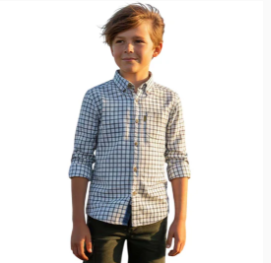
Finding breathable layers for children is less about following fashion trends and more about keeping them comfortable, dry, and able to move freely throughout the day. Whether they are walking to school on a chilly morning, playing in the park, or spending time outdoors in changeable British weather, the right layering system can make a noticeable difference. Parents often look for clothing that traps warmth without causing overheating, particularly for active children who tend to run hot once they get moving.
For families who spend time outdoors in all seasons, breathable layers are especially useful because they help regulate body temperature. This matters for everything from everyday school wear to outdoor hobbies. In some cases, specialist clothing ranges are worth exploring, such as children’s shooting clothes, where breathability, mobility, and durability are often considered together. Even if you are not shopping for fieldwear specifically, the same principles apply when choosing practical layers for general outdoor use.
Understanding where to look, what fabrics to choose, and how layering should work can help you make better decisions for children of different ages. The aim is simple: keep them comfortable in varying temperatures without adding unnecessary bulk.
Key points
- Breathable layers help children stay warm without overheating.
- Natural fibres and technical fabrics both have useful qualities.
- The best layers allow moisture to escape while retaining comfort.
- Fit, flexibility, and washability matter as much as fabric choice.
- Layering works best when each piece has a clear purpose.
Why Breathable Layers Matter for Children
Children are usually more active than adults, which means their body temperature can rise quickly. A child who feels cold at the start of a walk may soon become too warm once they begin running, climbing, or playing. Breathable layers help manage this shift by allowing moisture to move away from the skin and by preventing the stuffy feeling that can come from heavy, non-breathable clothing.
Moisture management is important in the UK climate, where weather can change several times in a single day. A child may start out in a cool breeze, face mild sunshine by lunchtime, and then need extra warmth again in the evening. Breathable clothing supports this changing pattern better than a single thick garment.
What Makes a Layer Breathable?
Fabric structure
Breathability depends partly on how a fabric is made. Loosely woven materials often allow air to circulate more easily, while tightly packed fabrics may trap warmth. Some modern technical fabrics are designed to move moisture away from the skin while still providing insulation.
Moisture-wicking properties
Moisture-wicking fabrics draw perspiration away from the body so it can evaporate more quickly. This helps reduce dampness, which can make children feel cold and uncomfortable. It is particularly useful for active wear and outdoor layers.
Weight and thickness
Heavier does not always mean warmer, and thicker does not always mean better. A lightweight mid-layer can provide warmth without restricting movement. Children usually benefit from layers that are easy to add or remove rather than a single bulky item.
Best Places to Find Breathable Layers
Outdoor clothing retailers
Many outdoor specialists stock children’s base layers, fleeces, lightweight jackets, and mid-layers designed for activity. These retailers often focus on performance fabrics, which are useful if your child spends time outside in all weather. Look for product descriptions that mention breathability, quick drying, or moisture control.
Sports shops
Sports retailers can be a good source of breathable layers because their clothing is usually made for movement. Base layers, thermal tops, and zip-neck tops are often available in child sizes and can work well for walking, cycling, school trips, or club activities.
Farm, field, and country clothing suppliers
Specialist country clothing suppliers often provide robust children’s layers designed for outdoor use. These can be useful for wet or windy conditions and may offer more durable options than general high street clothing. They are often chosen by families who spend time in rural settings or need dependable clothing for outdoor pastimes.
General children’s clothing shops
Many mainstream shops now stock lightweight fleeces, thermal tops, and zip-up layers suitable for everyday wear. These may not always be as technically advanced as specialist outdoor garments, but they are often affordable and easy to replace as children grow.
Fabrics Worth Considering
Merino wool
Merino wool is a popular choice for breathable layering because it is warm, soft, and naturally temperature regulating. It can help keep children warm in colder weather while still feeling comfortable when they become more active. It also tends to resist odour better than many synthetic fabrics.
Polyester blends
Modern polyester blends are often used in sports and outdoor clothing because they dry quickly and move moisture away from the body. They are practical for children who are active or prone to getting damp during play.
Cotton
Cotton is soft and comfortable, which makes it appealing for everyday wear. However, it is not always the best choice for cold or wet conditions because it absorbs moisture and dries slowly. It can still work well as a light inner layer in mild weather.
Fleece
Fleece is a useful mid-layer because it provides warmth without too much weight. Many fleece garments are breathable enough for active children, especially when worn over a base layer and under a waterproof outer layer.
How to Choose the Right Layers for Different Activities
For school days
School clothing should be practical, comfortable, and easy to manage. A breathable base layer under a jumper or fleece can help children stay warm on the walk to school without becoming uncomfortable indoors. Choose fabrics that can be washed frequently and hold their shape well.
For outdoor play
Children who spend time climbing, running, or cycling need clothing that moves with them. Stretchy, lightweight layers are usually better than stiff or oversized garments. A breathable top combined with a fleece or thin insulating layer can keep them comfortable through changing activity levels.
For countryside trips
When children are walking in fields, woodlands, or parks, they need layers that handle wind, damp, and uneven temperatures. A moisture-wicking base layer, a warm mid-layer, and a weather-resistant outer layer is a sensible combination. Breathability matters here because walking can quickly make a child overheat.
Fit and Comfort: What Parents Should Check
A breathable layer is only useful if it fits properly. Clothing that is too tight can limit movement and reduce airflow, while clothing that is too loose may bunch up and feel awkward. The best fit allows a child to move freely without excess fabric getting in the way.
It is also worth checking details such as flat seams, soft necklines, easy zips, and cuffs that stay in place. These small features can make clothing more comfortable for children who wear layers for long periods.
Practical Tips for Building a Good Layering System
- Start with a breathable base layer that sits comfortably against the skin.
- Add a mid-layer for warmth, such as fleece or merino wool.
- Use an outer layer that protects against wind or rain when needed.
- Choose fabrics that dry quickly after washing or wet weather.
- Check that each layer can be removed easily if the child gets too warm.
- Look for clothing that works for both movement and rest.
How to Spot Good Value Without Compromising Comfort
Good value does not always mean the cheapest option. With children’s layers, value often comes from durability, comfort, and versatility. A well-made fleece or base layer that can be worn repeatedly and passed on to a younger sibling may be better value than a cheaper garment that loses shape after a few washes.
It helps to read fabric labels and think about how often the item will be used. For everyday school wear, easy-care fabrics may be the most practical choice. For outdoor activities, technical materials may justify a higher price if they perform better in changing conditions.
Common Mistakes to Avoid
One common mistake is buying clothing that is too warm for active use. Children often need less insulation than adults expect, especially once they start moving. Another mistake is choosing layers that look suitable but do not breathe well, which can leave children sweaty and uncomfortable.
It is also unwise to rely on one heavy jumper instead of a proper layering system. Multiple thinner layers are usually more adaptable and easier to adjust throughout the day. Finally, avoid fabrics that feel scratchy or restrictive, as children are less likely to wear them willingly.
Conclusion
Breathable layers for children can be found in outdoor shops, sports retailers, specialist country clothing suppliers, and general children’s clothing stores. The most important thing is not where you buy them, but whether the clothing suits the child’s activity level, comfort needs, and the weather they are likely to face. Breathable fabrics, sensible layering, and a good fit all help children stay comfortable and move freely.
By focusing on practical materials such as merino wool, fleece, and moisture-wicking synthetics, parents can build a wardrobe that works across different seasons. In the UK, where conditions often change quickly, a flexible approach to layering is usually the most reliable way to keep children warm without overheating.
FAQ
What is the best fabric for breathable children’s layers?
Merino wool and moisture-wicking synthetic fabrics are often the best choices. Merino offers warmth and comfort, while synthetics dry quickly and help move sweat away from the skin.
Is cotton suitable for layering?
Cotton can be comfortable in mild conditions, but it absorbs moisture and dries slowly. It is usually better for casual wear than for cold, wet, or very active situations.
How many layers should a child wear outdoors?
Most children do well with three layers: a base layer, a mid-layer, and an outer layer. The exact number depends on the weather and the level of activity.
How can I tell if a layer is breathable?
Check the fabric description for terms such as breathable, moisture-wicking, quick-drying, or temperature-regulating. The fabric should also feel comfortable and not too heavy.
Are specialist outdoor layers worth it for children?
They can be, especially if your child spends a lot of time outdoors. Specialist layers often offer better moisture control, comfort, and durability than ordinary clothing.
What should I look for in a child’s mid-layer?
A good mid-layer should provide warmth without bulk, allow movement, and work well over a base layer. Fleece and merino wool are both strong options.