
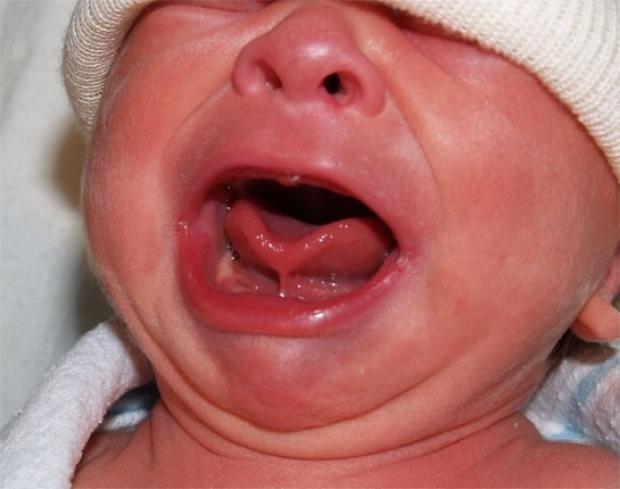
Ankyloglossia, commonly known as tongue-tie, is a condition where the strip of tissue under the tongue (called the lingual frenulum) is shorter, tighter, or positioned in a way that restricts normal tongue movement.
In simple terms, it means the tongue cannot move freely as it should. This may sound minor, but in infants and children, it can affect feeding, speech, and oral development if not properly evaluated.
What Causes Ankyloglossia?
Ankyloglossia is usually a congenital condition, meaning a child is born with it. It happens when the frenulum does not separate properly during fetal development.
In most cases, it is not caused by anything the parents did during pregnancy or after birth.
Signs and Symptoms of Tongue-Tie
The symptoms can vary depending on severity and age.
👶 In infants:
- Difficulty latching during breastfeeding
- Long feeding sessions
- Clicking sound while feeding
- Poor weight gain
- Fussiness during or after feeding
🧒 In toddlers and older children:
- Difficulty moving the tongue freely
- Trouble sticking the tongue out
- Speech clarity issues (certain sounds may be unclear)
- Difficulty eating certain foods
Many parents first notice the issue when they search for Signs of tongue tie after observing feeding or speech concerns.
How Is Ankyloglossia Diagnosed?
A pediatric dentist or specialist evaluates:
- Tongue movement range
- Appearance of the frenulum
- Feeding or speech impact
- Functional restriction (not just appearance)
Diagnosis is not based only on how the frenulum looks—it is mainly based on how much it affects function.
Does Every Child Need Treatment?
No. Mild cases may not require any treatment.
Treatment is usually recommended only when tongue-tie affects:
- Feeding in infants
- Speech development in children
- Oral hygiene or tongue movement
Treatment Options for Ankyloglossia
If treatment is needed, the most common procedure is called a frenectomy.
🔹 Frenectomy (Tongue-Tie Release)
- Quick outpatient procedure
- Performed using laser or sterile scissors
- Minimal discomfort in most cases
- Usually same-day recovery
After the procedure, some children may need tongue exercises or speech therapy for best results.
Is Tongue-Tie Surgery Safe?
Yes, when performed by a qualified pediatric dentist or specialist, tongue-tie surgery is generally safe and commonly done. It is a quick procedure with a low risk of complications.
Why Early Evaluation Matters
Early diagnosis of ankyloglossia helps prevent:
- Feeding difficulties in infants
- Long-term speech challenges
- Frustration during eating and communication development
If parents notice feeding or speech concerns, early consultation is always recommended.
Final Thoughts
Ankyloglossia is a manageable condition, but its impact depends on severity and timing of diagnosis. With proper evaluation and treatment when needed, children can experience significant improvement in feeding and speech function.
If you suspect tongue-tie in your child, consulting a pediatric dental or ENT specialist is the first step toward clarity and care.