
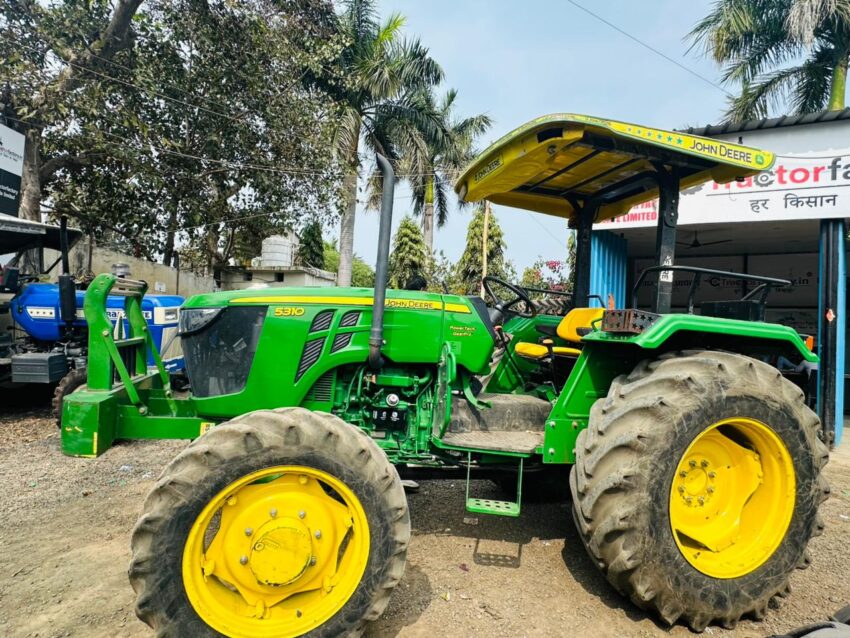
An old tractor carries a different kind of value. People who have spent years around farms understand this quickly. A machine that has already worked through muddy fields, rough weather, and long harvest seasons usually tells you one thing — it was built to last.
New tractors definitely have their place. They come with digital displays, smoother steering, and modern engines. Still, many farmers continue searching for old tractor models because they trust their reliability more than flashy features. That trust did not appear overnight. It came from years of practical use.
You can still find decades-old tractors running perfectly in villages across India. Honestly, many people overlook this. A properly maintained old tractor often performs better than a poorly maintained newer one.
Why Old Tractor Models Still Have Demand
The biggest reason is simple: affordability.
A new tractor can put serious pressure on a farmer’s budget. Loan payments, fuel costs, maintenance, and seasonal uncertainty already make farming expensive enough. Buying an old tractor reduces that burden immediately.
But price is not the only factor.
Older tractors were designed with straightforward mechanical systems. Fewer electronics mean fewer complicated repairs. Local mechanics usually understand these machines very well, and spare parts are often available without much difficulty.
That part surprised me too when I first started noticing how many farmers preferred older machines over newer compact models.
Some older tractors also have stronger metal bodies and heavier construction. Farmers often say those machines “feel solid” while working in hard soil conditions.
The Practical Advantage in Daily Farming
An old tractor may not look polished, but appearance matters very little in actual farm work.
If the engine starts reliably in the morning and the tractor pulls equipment properly, most farmers are satisfied. In smaller towns and rural areas, functionality always matters more than looks.
Used tractors are commonly seen handling:
- Ploughing
- Seed drilling
- Water tanker movement
- Trolley transportation
- Harvest support
- Sugarcane loading
- Small construction work
Many families even use the same tractor for more than fifteen years. Once you start talking to experienced farmers, you hear stories like this everywhere.
One farmer I spoke with in Madhya Pradesh still uses a tractor purchased before his son was born. The paint has faded completely, but the engine keeps working season after season.
You notice it quickly once you start using it — older tractors often have a very direct driving feel. No unnecessary complexity. Just raw mechanical work.
Things That Matter Before Buying an Old Tractor
Buying a used tractor without inspection is risky. A cheap price can become expensive later if the machine has hidden issues.
The engine condition should always come first.
Start the tractor early in the morning if possible. A healthy engine should start without excessive smoke or repeated attempts. Black smoke, strange knocking sounds, or oil leakage usually indicate future repair expenses.
Tyres also deserve attention. Replacing tractor tyres costs more than many buyers expect. Uneven wear can sometimes point toward alignment or axle problems.
Then comes hydraulic performance.
A tractor with weak hydraulics struggles while lifting implements. Farmers often ignore this during inspection because the tractor moves normally during a short test drive. Later, problems start appearing in the field.
Here are a few things experienced buyers normally check:
- Engine sound during acceleration
- Hydraulic lifting strength
- Gear shifting smoothness
- Brake response
- Clutch condition
- Oil leakage around engine seals
- Cooling system performance
- PTO functioning
A short inspection saves a lot of frustration later.
Popular Old Tractor Brands Farmers Still Trust
Certain tractor brands built a strong reputation over decades, especially in Indian farming regions.
Older models from brands like:
- Mahindra & Mahindra
- Sonalika
- Massey Ferguson
- Escorts Kubota
- John Deere
still operate regularly across villages and agricultural markets.
Some farmers remain loyal to one brand for life because they already know how the machine behaves in local soil conditions.
Older Mahindra tractors, for example, are often appreciated for durability and pulling power. Massey Ferguson models remain popular for smoother field handling. John Deere tractors usually attract buyers looking for long-term reliability and engine performance.
Of course, maintenance history matters more than the logo itself.
An old tractor that received proper servicing will nearly always outperform a neglected one.
Fuel Efficiency Is Better Than People Expect
There is a common belief that all old tractors consume excessive fuel. That is not always true.
A properly tuned engine can still deliver decent mileage during normal agricultural work. In fact, some older tractors are surprisingly efficient because of their simpler engine systems.
Fuel efficiency depends heavily on:
- Engine condition
- Driver habits
- Soil type
- Load weight
- Maintenance schedule
Dirty air filters, poor injector condition, and worn piston rings increase diesel consumption quickly.
Farmers who regularly service their tractors usually spend much less on fuel over time. Small maintenance habits make a huge difference.
Spare Parts and Local Repair Support
One reason old tractors survive for decades is the availability of repair support in rural markets.
Most local mechanics have worked on these machines for years. They understand older engines deeply because they grew up repairing them.
Modern tractors sometimes require computerized diagnostics or specialized service centres. Older tractors rarely create that problem.
Even if a tractor stops working during harvest season, repairs are often completed faster because the systems are easier to understand.
That reliability becomes extremely valuable during critical farming periods.
Honestly, many buyers underestimate the importance of local repair availability until something breaks unexpectedly.
Old Tractors Also Work Beyond Farming
This is where things become interesting.
Many people purchase old tractors for non-farming work too. Small contractors, transport operators, and brick kiln businesses regularly use second hand tractors because they are cost-effective.
A strong old tractor can easily handle:
- Construction material transport
- Sand movement
- Roadside loading work
- Water supply transportation
- Rural delivery support
In smaller towns, tractors often become multipurpose machines instead of purely agricultural equipment.
That flexibility keeps demand alive in the used tractor market.
Why Experienced Farmers Prefer Mechanical Simplicity
Older tractors usually feel more mechanical and connected during operation. Some farmers actually prefer that.
There are fewer sensors, fewer warning systems, and fewer electronic failures. If something goes wrong, the problem can often be identified manually.
You hear this from older drivers quite often:
“The machine tells you what is wrong.”
It sounds funny at first, but experienced operators can genuinely detect issues through vibration, sound, or engine response.
That kind of connection rarely exists with heavily computerized machinery.
The Emotional Side of an Old Tractor
Not every tractor purchase is purely financial.
Some machines stay with families for generations. Children learn driving on them. Harvest memories get attached to them. Farmers remember difficult seasons where that same tractor helped save crops during bad weather.
A faded old tractor parked beside a farmhouse may not look impressive to outsiders, but for many rural families, it represents years of hard work and survival.
That emotional attachment is very real.
And honestly, once you spend enough time around farming communities, you begin understanding why people continue restoring and maintaining these old machines instead of replacing them immediately.
An old tractors is not just equipment anymore. It becomes part of the farm itself.