
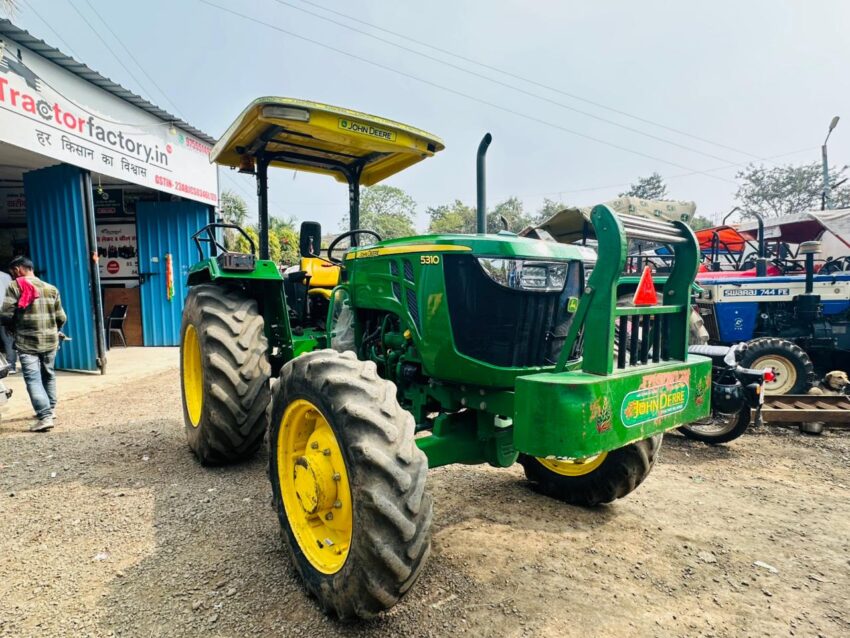
A tractor is one of those machines you truly understand only after spending time around farms. On paper, it looks simple — big tires, loud engine, heavy body. But once you see how much work it handles in a single day, your whole perspective changes a bit.
Farmers rely on tractors for almost everything now. Ploughing fields, carrying crops, preparing soil, spraying fertilizers, hauling equipment — the list keeps going. Earlier, many villages depended heavily on animal-driven farming. Work was slower, and honestly, exhausting. A modern tractor changed that rhythm completely.
The interesting part is that tractors are no longer limited to huge farms. Even small landowners now look for compact and fuel-efficient models because they save labor and reduce pressure during harvesting season.
Why Tractors Became Essential in Farming
Farming depends heavily on timing. If soil preparation gets delayed by even a few days, the entire crop cycle can suffer. That’s where tractors quietly become the backbone of agriculture.
A good tractor cuts hour of manual work into minutes. You notice it quickly once you start using it. A field that once needed a full day of labor can sometimes be prepared before lunch. That kind of speed matters more than people outside farming realize.
Another thing many people overlook is consistency. Manual farming methods often vary depending on labor strength, weather conditions, and fatigue. A tractor delivers steady performance throughout the day. Whether the land is dry, uneven, or slightly muddy, the machine keeps working without slowing down too much.
Farmers also use tractors beyond cultivation. In rural areas, they transport bricks, sugarcane, grains, pipes, and even water tanks. During wedding seasons in some villages, tractors end up carrying decoration materials too. They become part of everyday rural life.
Different Types of Tractors on the Market
Not every tractor is built for the same purpose. That part surprised me too when I first started learning about agricultural machinery in detail.
Utility tractors are the most common. These are used for regular farming jobs like tilling, pulling trailers, and field preparation. They balance power and fuel economy reasonably well.
Then there are compact tractors. These are popular among small farmers and orchard owners because they move easily through narrow spaces. Maintenance costs are usually lower as well.
Row crop tractors are designed carefully for farms where crops grow in organized rows. Their structure allows movement between crops without damaging plants.
Some farmers also prefer heavy-duty tractors for commercial farming. These machines handle larger implements and cover huge land areas much faster. They cost more, obviously, but for large-scale agriculture, the investment often makes sense.
Engine Power and Real-World Performance
People often focus only on horsepower while buying a tractor. Horsepower matters, yes, but real-world performance depends on several smaller things too.
Transmission quality affects how smoothly the tractor handles different field conditions. Tire grip becomes important during wet seasons. Hydraulic lifting capacity matters when attaching equipment like rotavators or cultivators.
Fuel efficiency is another major concern. Diesel prices fluctuate often, and over time, fuel costs become a serious expense for farmers. A tractor that consumes less fuel while maintaining decent pulling power usually earns better trust in the long run.
Honestly, many people overlook this: comfort matters too.
Modern tractors now include better seating, smoother steering, reduced vibration, and easier controls. Earlier models were rough to operate for long hours. After a full day in the field, operators felt physically drained. Newer machines reduce that fatigue quite a bit.
Tractor Implements That Save Time
A tractor alone is useful, but its real strength comes from attachments and implements.
Rotavators help prepare soft seedbeds quickly. Cultivators loosen soil efficiently before sowing. Seed drills improve planting accuracy and reduce seed wastage.
Then there are trailers, which farmers use almost daily. During harvest season, tractors pulling loaded trailers become a common sight across rural roads.
Sprayers attached to tractors also reduce manual effort significantly. Large farms especially benefit because spraying by hand takes enormous time and energy.
One machine ends up doing the work of several laborers. That practical advantage is why tractors remain in demand despite rising machinery costs.
Buying a Tractor Is a Long-Term Decision
Farmers rarely purchase tractors casually. Most buyers think years ahead before investing.
They compare maintenance costs, spare parts availability, mileage, resale value, and local service support. A powerful machine means little if repairs become difficult during peak farming season.
Some farmers prefer trusted brands because mechanics in nearby towns already understand those engines well. Easy repair access matters a lot in villages where waiting several days for parts can disrupt farming schedules badly.
Second-hand tractors are also extremely popular. In fact, many experienced farmers intentionally choose used tractors because older models sometimes have simpler mechanics and cheaper repairs.
A properly maintained second-hand tractor can still perform reliably for years. You hear these stories often in agricultural communities.
The Growing Role of Technology in Tractors
Modern tractors are becoming smarter every year.
Some advanced models now include GPS guidance systems, digital displays, automatic steering assistance, and precision farming tools. Large agricultural businesses use these technologies to improve productivity and reduce input waste.
Even basic tractors today come with features that were considered premium earlier. Better hydraulic systems, oil-immersed brakes, power steering, and comfortable cabins are becoming more common.
That shift is changing farming experiences gradually. Operators can work longer hours with less strain, and farm tasks become more accurate.
Still, in many rural regions, durability remains more valuable than fancy technology. Farmers often say the best tractor is the one that starts every morning without drama.
Tractor Maintenance Matters More Than People Think
A tractor may look tough from the outside, but regular maintenance decides how long it survives.
Engine oil changes, air filter cleaning, tire pressure checks, and proper lubrication make a huge difference over time. Neglect small maintenance jobs for too long, and repair bills rise quickly.
Dusty field conditions can also affect engine performance if filters are ignored. During harvesting season especially, tractors operate for long continuous hours. Heat buildup becomes common.
Experienced farmers usually develop routines around maintenance. Some inspect machines every evening after work. Others schedule servicing before sowing season begins.
That discipline saves money later.
Why Tractors Continue to Shape Rural Economies
A tractor does more than improve farming speed. It supports local economies too.
Mechanics, fuel stations, spare parts shops, transport businesses, and equipment dealers all benefit from agricultural machinery demand. Rural employment grows around these services naturally.
Many tractor owners even rent out their machines to neighboring farmers. This creates additional income during busy agricultural months.
In several villages, owning a tractor is still seen as a sign of financial progress. It represents productivity, independence, and reliability more than status alone.
And honestly, once you watch a tractor handle difficult land conditions during peak season, you understand why farmers trust these machines so deeply. They aren’t just vehicles sitting in a shed. They carry the pressure of harvest ex