
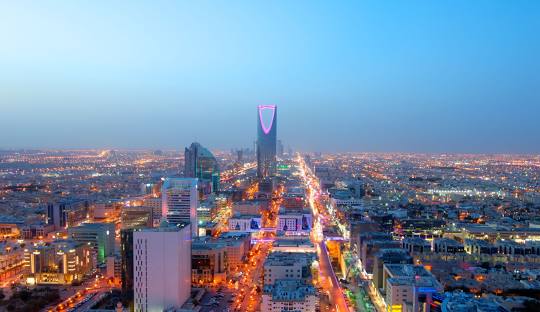
When people think of Saudi Arabia, they usually picture sprawling modern cities, towering skyscrapers, and endless fields of golden sand dunes. While those elements are definitely part of the landscape, there is a whole other side to the Kingdom that remains a hidden gem for nature lovers.

Saudi Arabia is home to dense juniper forests, rugged volcanic fields, vibrant coral reefs, and rare animals like the Arabian Oryx and the elusive Arabian leopard. In recent years, the country has set aside over 16% of its land for conservation, making it a dream destination for eco-tourists.
If you are planning an adventure off the beaten path, it is incredibly easy to obtain your Saudi Arabia visa online so you can explore this ultimate guide to the most incredible nature reserves and wildlife attractions in the Kingdom.
1. Why should you explore Saudi Arabia’s nature reserves?
For decades, many of Saudi Arabia’s unique ecosystems remained untouched and difficult to access. Today, the Kingdom is heavily investing in sustainable tourism and wildlife preservation. Visiting these reserves gives you a rare opportunity to see untouched environments, ancient volcanic terrains, and unique desert species that cannot be found anywhere else in the world. It is an ideal travel destination if you want to escape the crowded tourist hubs and connect with raw, peaceful nature.
2. What is the oldest national park in Saudi Arabia?
The crown jewel of Saudi Arabia’s highland conservation is the Asir National Park, established in 1981 near the city of Abha. Unlike the hot deserts of the interior, this southwestern park is a cool, misty mountainous region covered in thick juniper forests.
Here, you can visit Jebel Soudah, the highest peak in the country. The park is home to more than 300 bird and animal species. As you hike through the mountain trails or ride the scenic cable cars, look out for Hamadryas baboons, shy caracals (a type of wild cat), and majestic birds of prey like the griffon vulture.
3. Where can you see wild Arabian Oryx in Saudi Arabia?
If you want to see the legendary Arabian Oryx roaming freely, you must visit the ‘Uruq Bani Ma’arid Reserve. Located on the western edge of the Rub’ al Khali (the Empty Quarter)—the largest continuous sand desert on Earth—this reserve is a stunning landscape of massive linear sand dunes and dry valleys.
In 2023, it was designated as a UNESCO Natural World Heritage Site. Thanks to successful breeding and reintroduction programs, it is currently the only place on earth where herds of the beautiful, white-furred Arabian Oryx live entirely in the wild without human assistance. You can also spot sand gazelles and rare desert foxes here.
4. What makes the Farasan Islands Marine Sanctuary so special?
Saudi Arabia’s wildlife is not limited to the land. If you travel 40 to 90 kilometers off the southwestern coast of Jazan, you will find the Farasan Islands Marine Sanctuary. This protected sanctuary consists of over 170 islands made of uplifted coral reefs.
Recognized as a UNESCO Biosphere Reserve since 2021, the Farasan Islands are a paradise for divers, snorkelers, and birdwatchers. The turquoise waters are filled with colorful coral reefs, dolphins, manta rays, and endangered green and hawksbill sea turtles. On land, you might catch a glimpse of the rare Farasan gazelle or spot elegant migratory birds like flamingos and sooty falcons.
5. Can you find volcanic landscapes and wildlife in Saudi Arabia?
Yes, you can! One of the most unusual places to visit is the Harrat Uwayrid Reserve, located in the northwest near AlUla. This reserve is a massive volcanic plateau shaped by ancient lava flows. The rich, volcanic soil makes the area surprisingly fertile, allowing unique desert plants to thrive.
As a UNESCO Biosphere Reserve, Harrat Uwayrid is a key focus area for ecological restoration. Conservationists are working hard here to reintroduce native species and balance the fragile desert ecosystem. It offers a dramatic landscape of black basalt rocks contrasted against the red desert sand, where species like the Arabian wolf and sand fox find refuge.
6. What is the Sharaan Nature Reserve in AlUla?
Located in the historical region of AlUla, the Sharaan Nature Reserve covers 1,500 square kilometers of spectacular red sandstone cliffs, deep canyons, and hidden valleys.
The main goal of Sharaan is to restore the natural habitat to how it was thousands of years ago. Today, you can take a guided desert safari to spot Nubian ibexes (large wild goats with impressive curved horns), red-necked ostriches, and Idmi gazelles grazing on desert shrubs. The reserve is also part of a critical breeding program for the critically endangered Arabian leopard, which scientists hope to release back into this wild habitat soon.
7. What animals live in the Saudi Arabian desert?
Many people believe that the desert is lifeless, but the sands of Saudi Arabia are teeming with highly adapted wildlife. During your travels, you might encounter:
- The Dromedary Camel: The beloved national animal of Saudi Arabia, deeply woven into local culture.
- The Sand Cat: A small, elusive wild cat with wide ears and padded paws designed for walking on hot sand.
- The Spiny-Tailed Lizard (Dhabb): A large, gentle reptile commonly seen sunbathing on rocks.
- The Honey Badger (Ratel): Known for its fierce attitude and thick skin, living in the scrublands.
8. Where can you go birdwatching in Saudi Arabia?
Saudi Arabia lies along key migratory flyways connecting Europe, Asia, and Africa. This makes it an exceptional destination for birdwatchers, especially during spring and autumn.
- Harrat al-Harrah (part of the King Salman Bin Abdulaziz Royal Reserve): Located in the far northwest, this volcanic plateau hosts migratory birds like the Asian Houbara bustard, golden eagles, and several unique species of desert larks.
- The Red Sea Coast: Wetlands and mangrove forests along the coast host thousands of wading birds, pelicans, and gulls.
9. Is the Prince Mohammed bin Salman Royal Reserve open to visitors?
Established in 2018 in the Tabuk region, the Prince Mohammed bin Salman Royal Reserve is one of the country’s most ambitious conservation areas. It stretches from the red sands of the desert all the way to the pristine waters of the Red Sea.
While parts of the reserve are strictly protected to allow plants and animals to recover, eco-tourism projects are actively being developed. The area is home to over 790 plant and animal species. Visitors can book guided safaris to explore its dramatic limestone peaks and see species like the mountain gazelle and the lappet-faced vulture.
10. How is Saudi Arabia protecting its endangered wildlife?
The Kingdom has established dedicated national bodies, like the National Center for Wildlife, to protect its biological diversity. Through modern veterinary research, genetic monitoring, and strictly managed breeding centers (like the King Khalid Wildlife Research Center), Saudi Arabia has successfully saved species like the Arabian Oryx and the Nubian Ibex from the brink of extinction. Anti-poaching laws are strictly enforced by environmental security forces to ensure that these animals can safely repopulate their historical ranges.
11. What is the best time of year to visit Saudi Arabia’s nature reserves?
The best time to visit Saudi Arabia’s outdoor attractions is during the cooler winter months, from November to March. During this period, daytime temperatures are mild and pleasant, making hiking and wildlife spotting comfortable. If you plan to visit the mountainous Asir region in the southwest, the summer months (June to August) are also a great option, as the altitude keeps the climate fresh and cool while the rest of the country is hot.
12. What are the rules for visiting Saudi protected areas?
When exploring these delicate environments, it is crucial to practice responsible eco-tourism.
- Hire a licensed guide: Many reserves require permits or can only be accessed with a registered guide.
- Leave no trace: Always carry your trash back with you and avoid disturbing the local flora.
- Respect the wildlife: Keep a safe distance from wild animals, especially baboons, and do not feed them.
- Stay hydrated: Bring plenty of water, wear sunscreen, and dress in light, breathable clothing.
13. How can you get a visa to visit Saudi Arabia’s wildlife attractions?
Planning a trip to see Saudi Arabia’s natural wonders is now easier than ever. Most international travelers can apply for an official Saudi Arabia tourist e-Visa completely online, saving time and avoiding long queues at the embassy.
If you want a hassle-free experience with expert support, let us handle your travel documentation!
Why Choose Us?
- Reliable Travel Visa Services Our global approach has assisted numerous travelers in obtaining their Visa.
- Round-the-Clock Assistance Reach out to us 24/7, and our experts will respond within 72 hours.
- Experienced Visa Consultants Receive expert guidance to ensure the acceptance of your application.
- Efficient Visa Application Process Apply for your Visa in minutes with our simplified form.
Ready to start your adventure? Apply today and get your travel documents sorted in no time: 👉 Apply for your Saudi Arabia Visa Online