
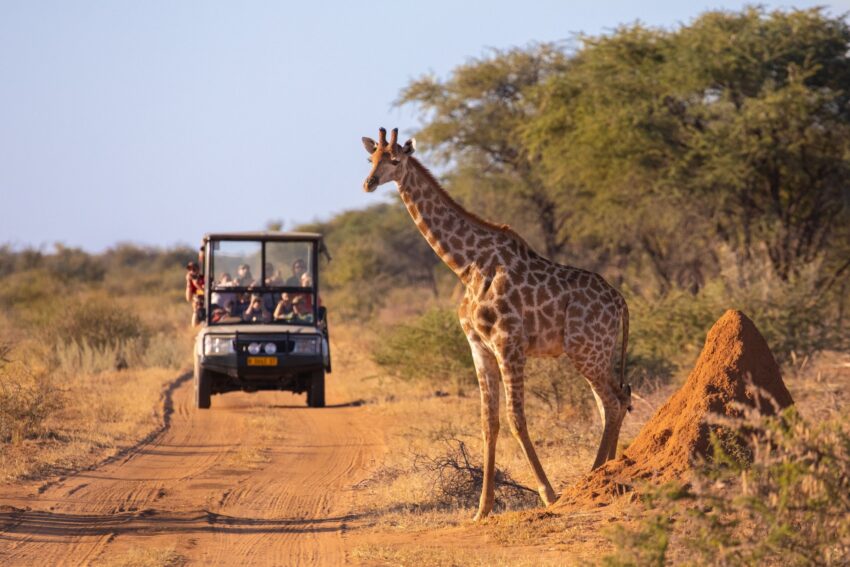
For a long time, Kenya was seen as a destination exclusive to luxury honeymooners and high-end packaged tour groups. But times have changed. Today, a growing community of backpackers, solo adventurers, and self-drive enthusiasts are discovering that Kenya is an absolute paradise for independent travel.

If you want the freedom to watch elephants against the backdrop of Mount Kilimanjaro on your own terms, or if you want to spend your mornings working from a beach cafe in Diani and your afternoons learning to kitesurf, this guide is for you.
Here is everything you need to know to plan a safe, affordable, and deeply authentic independent trip to Kenya.
1. Is Kenya a good destination for independent travelers?
Yes, Kenya is an incredibly rewarding destination for independent travelers, provided you plan with the right expectations.
Unlike Southeast Asia or parts of South America, the infrastructure for budget backpacking is still growing here, but the warmth of the Kenyan people makes up for it. Local communities are highly welcoming, and English is widely spoken alongside Swahili, making it very easy to ask for directions, chat with locals, or negotiate prices.
As an independent traveler, you get to experience the real Kenya. Instead of being shuttled from one luxury lodge to another in a closed safari vehicle, you will interact with local vendors, ride the scenic train through national parks, and experience the diverse cultural landscape at your own pace.
2. What are the best places to visit in Kenya if you are traveling alone?
If you are exploring Kenya on your own, you will want a mix of social hubs, easy logistics, and beautiful scenery. Here are the top destinations that are perfect for independent travelers:
- Diani Beach: Located on the south coast, Diani is the ultimate hub for solo travelers. It features great beachside hostels, a thriving digital nomad community, and endless opportunities for water sports.
- Lake Naivasha: Only a few hours from Nairobi, this freshwater lake is surrounded by budget-friendly campsites. It is peaceful, safe, and serves as a great base for walking safaris.
- Lamu Island: A historic Swahili town where time has stood still. There are no cars on the island—only donkeys and boats. It is incredibly safe, highly cultural, and perfect for slow, contemplative travel.
- Nanyuki (Mount Kenya Region): If you love hiking, Nanyuki is a fantastic base. You can find affordable hostels and easily join groups to hike Africa’s second-highest peak.
3. Can you visit the Maasai Mara without an expensive tour package?
The Maasai Mara is one of the greatest wildlife spectacles on earth, but park fees and luxury lodge prices can easily scare off independent travelers. However, you do not need to book a $1,000-a-night package to experience it.
To visit the Mara independently, stay in Talek, a small town situated right on the edge of the park boundary. You can stay in highly affordable tented camps or guesthouses (like Talek Bush Camp) that sit just a few hundred meters from the main park gates.
Instead of booking an all-inclusive vehicle from Nairobi, you can travel to Talek using public shared transport or a rental car. Once you arrive at the gate, you can hire a local Maasai guide and a safari vehicle directly for a fraction of the price, or coordinate with other travelers at your camp to split the daily vehicle rental costs.
4. Where should solo travelers stay on the Kenyan coast?
The Kenyan coast stretches for hundreds of miles, but two main spots stand out for solo and independent travelers:
- Diani Beach: If you want a social atmosphere, stay here. Look for hostels or guesthouses with communal dining areas. Places like Distant Relatives in nearby Kilifi or eco-backpackers in Diani are legendary for bringing travelers together.
- Watamu and Lamu: If you prefer quiet beauty, culture, and coastal history, head further north. Watamu is famous for its marine park and cozy beach rentals. Lamu is ideal for travelers who want to stay in beautifully restored traditional Swahili houses, drink fresh juices, and learn about East African history.
Local Tip: To save money on accommodation, travel during the shoulder seasons (such as May to June or October to November). Many coastal properties waive their “single supplement” fees during these months.
5. Is self-driving in Kenya a good idea for independent tourists?
Self-driving is becoming highly popular among adventurous independent travelers in Kenya. Renting a 4×4 equipped with a rooftop tent gives you complete freedom to camp inside public and private reserves.
However, self-driving in Kenya requires a calm head and good preparation. Here are a few golden rules:
- Never drive after dark: Road lighting is minimal, and unmarked speed bumps, potholes, or broken-down vehicles can appear out of nowhere.
- Rent a proper 4WD: A standard sedan will not survive the dirt roads of the national parks, especially during the rainy season.
- Use reliable navigation: Download offline maps (like Maps.me) before heading into remote areas where cellular reception can be spotty.
If you are nervous about driving yourself, you can easily hire a professional local driver-guide through your car rental company. This is often surprisingly affordable and relieves all the stress of navigating.
6. How do independent travelers get around Kenya on a budget?
Getting around Kenya is half the adventure. You have several great options depending on your budget and timeline:
- The Madaraka Express (SGR Train): This modern train connects Nairobi to Mombasa (and passes right through Tsavo National Park). It is cheap, fast, incredibly safe, and highly scenic. Always book your tickets online at least a few days in advance, as it regularly sells out.
- Matatus (Local Minibuses): Matatus are the lifeblood of Kenyan transit. They are extremely cheap and go literally everywhere. While they can be loud and crowded, they are perfect for short hops between towns.
- Ride-Hailing Apps: In Nairobi and Mombasa, apps like Uber and Bolt are highly secure, reliable, and cheap. They prevent you from having to negotiate fares with street taxis.
- Domestic Flights: For long distances (like Nairobi to Lamu or Diani), budget local airlines like SafariLink or Jambojet offer quick, reasonably priced flights if booked in advance.
7. How do I stay safe in Nairobi as an independent traveler?
Nairobi is a vibrant, modern metropolis with a rich culinary and cultural scene, but like any major global city, it requires urban smarts.
To stay safe in Nairobi, base yourself in secure, pedestrian-friendly neighborhoods like Westlands, Kilimani, or Karen. Avoid walking around the Central Business District (CBD) or isolated streets at night; instead, use Uber or Bolt for door-to-door transit after dark.
Keep your valuables, especially your smartphone, secure and out of sight when walking along busy streets to avoid opportunistic snatch-and-grab thefts. Most importantly, trust your instincts—Kenyans are incredibly helpful, so if you ever feel lost or uncomfortable, simply step into a local cafe or shop and ask for assistance.
8. How much does a budget solo trip to Kenya cost?
While Kenya is not as cheap as some parts of Asia, a solo traveler can easily manage on a budget of $50 to $80 USD per day if they plan smart.
Here is a quick breakdown of average costs:
- Accommodation: $15–$30 USD per night for a hostel dorm bed or a private room in a budget guesthouse.
- Meals: $3–$8 USD for local dishes (like Nyama Choma, Ugali, and Chapati) at local restaurants.
- Transport: $5–$12 USD for a one-way ticket on the SGR Train from Nairobi to the coast.
- Park Entry Fees: This will be your biggest expense. Public national parks charge daily entry fees for international visitors (ranging from $35 to $100 USD depending on the park and season). To save, focus on smaller, beautiful reserves like Hell’s Gate, where you can rent a bicycle and ride among zebras for a fraction of the cost.
Insider Trick: Sign up for M-Pesa (Kenya’s mobile money system) as soon as you get your local SIM card. It is accepted everywhere—from high-end hotels to vegetable stalls in the middle of the savannah—and saves you from carrying large amounts of cash.
9. What are the best off-the-beaten-path destinations in Kenya?
If you want to escape the tourist crowds and see a different side of Kenya, add these lesser-known spots to your itinerary:
- Kilifi: Just north of Mombasa, this laid-back creek-side town is famous for its bohemian vibe, eco-hostels, and bioluminescent night swims in the estuary.
- Kakamega Forest: Kenya’s only remaining tropical rainforest. It is a haven for birdwatchers, hikers, and travelers who want to see rare primates without safari crowds.
- Kericho: The heart of Kenya’s tea country. The rolling green hills are incredibly scenic, quiet, and offer beautiful, cool-climate walking trails.
10. How do I meet other backpackers and independent travelers in Kenya?
Traveling independently does not mean you have to be alone. To connect with like-minded travelers in Kenya:
- Stay in social hostels: Book spots with communal lounges, pools, or shared kitchens in Nairobi, Diani, and Kilifi.
- Join local Facebook and WhatsApp groups: Groups like “Nairobi Expat Travel” or local backpacking forums are great places to find ride-shares, ask for advice, or meet up for drinks.
- Book group day trips: Joining a day hike up the Ngong Hills or a walking tour in Nairobi is a fantastic, natural way to make friends.
11. Do I need a visa or an eTA for Kenya, and how do I apply online?
Before you pack your bags, you must handle your entry documents. Kenya has transitioned to a completely digital entry system. Traditional paper visas upon arrival are no longer available. Instead, all international visitors are required to obtain an eTA for Kenya before boarding their flight.
Navigating government portals can sometimes feel confusing, slow, or stressful—especially when a single mistake on your application can lead to a delay or rejection right before your trip.
This is where utilizing professional assistance makes a massive difference. By submitting your Kenya online visa application through a reliable, streamlined platform, you can bypass the bureaucratic headache entirely:
- Efficient Visa Application Process: Apply for your travel authorization in minutes using a highly simplified, user-friendly form.
- Experienced Visa Consultants: Every application is thoroughly reviewed by experts to ensure all details are correct, maximizing your chances of instant approval.
- Round-the-Clock Assistance: Enjoy 24/7 support from a dedicated team ready to resolve your queries within 72 hours.
Don’t let paperwork hold back your sense of adventure. Secure your official Kenya travel authorization quickly and focus on planning your incredible journey through the wild heart of East Africa!