
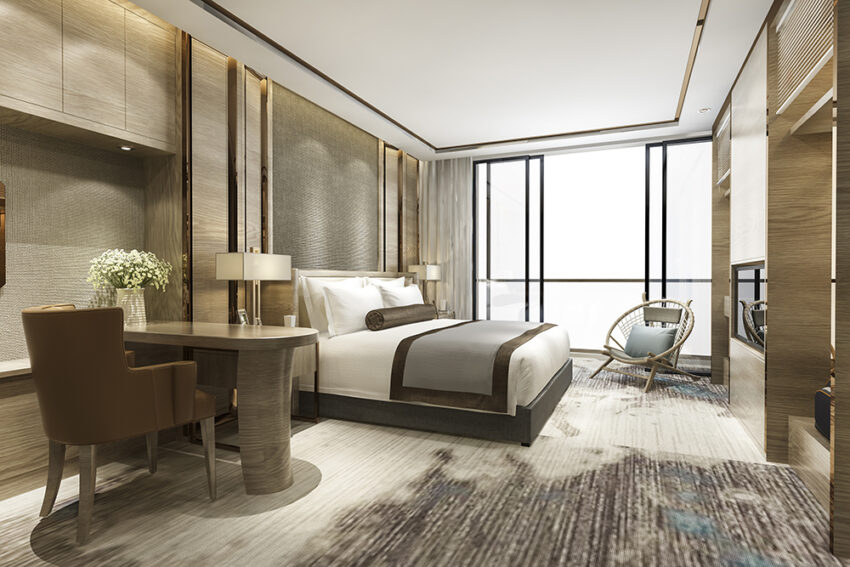
The hospitality industry thrives on creating memorable guest experiences, and interior design plays a vital role in achieving this goal. Professional hotel interior design firms specialize in designing spaces that combine comfort, elegance, and operational efficiency. From grand hotel lobbies and luxurious guest rooms to restaurants, lounges, and conference facilities, every area is carefully planned to enhance the guest experience while supporting smooth day-to-day operations.
Modern hotel interiors also benefit from design principles similar to How Smart Office Design Improves Workflow and Business Efficiency, particularly in reception areas, administrative offices, and staff workspaces where functionality and efficient movement are essential.
Why Hire Professional Hotel Interior Design Firms?
Designing a hotel requires much more than selecting attractive furniture and décor. Every element must contribute to guest satisfaction while ensuring operational efficiency for hotel staff.
Professional hotel interior design firms provide comprehensive services, including:
- Space planning and layout design
- Interior concept development
- Furniture selection and customization
- Lighting and ceiling design
- Material and finish selection
- Guest room interiors
- Lobby and reception design
- Restaurant and café interiors
- Banquet hall and conference room design
- Project management and execution
Their expertise helps create visually appealing spaces that meet hospitality standards and strengthen the hotel’s brand identity.
Creating a Lasting First Impression
The lobby is often the first area guests experience upon entering a hotel. A thoughtfully designed reception space creates an immediate sense of comfort and luxury.
Hotel interior designers carefully plan seating arrangements, reception counters, decorative lighting, artwork, flooring, and waiting areas to create a welcoming atmosphere. Proper space planning also allows guests to move comfortably through the lobby while helping staff manage check-ins and guest services efficiently.
Designing Comfortable Guest Rooms
Guest rooms are the centerpiece of every hotel. Their design directly influences guest satisfaction and repeat bookings.
Professional hotel interior design firms focus on creating rooms that balance aesthetics with practicality. Comfortable beds, ergonomic workstations, functional wardrobes, smart storage, ambient lighting, and carefully selected color palettes create relaxing environments for both leisure and business travelers.
Modern guest rooms also include technology-friendly features such as charging stations, smart lighting controls, and integrated entertainment systems to meet evolving guest expectations.
Improving Hotel Operations Through Smart Design
A successful hotel is not only attractive for guests but also efficient for employees. This is where ideas from How Smart Office Design Improves Workflow and Business Efficiency become valuable.
Reception desks, reservation offices, management cabins, staff rooms, and administrative areas should be designed to support smooth communication and efficient workflows. Well-organized back-office spaces help employees perform their responsibilities more effectively, ultimately improving customer service and overall hotel operations.
Material Selection for Long-Term Durability
Hotels experience continuous daily use, making durable materials essential.
Interior designers often recommend materials such as:
- Premium plywood furniture
- Natural veneer finishes
- High-pressure laminates
- Marble and granite surfaces
- Stainless steel fixtures
- Toughened glass
- Luxury vinyl flooring
- Commercial-grade upholstery
These materials offer excellent durability while maintaining an elegant appearance and reducing long-term maintenance costs.
Lighting That Enhances Guest Experience
Lighting is one of the most important aspects of hotel interior design.
Warm lighting creates a relaxing atmosphere in guest rooms, while brighter illumination improves visibility in reception areas, restaurants, corridors, and conference facilities. Decorative chandeliers, pendant lights, wall sconces, and LED accent lighting add character while enhancing the overall ambiance.
Layered lighting allows hotels to create different moods throughout various spaces.
Customized Interior Design for Different Hotel Types
Every hotel has unique design requirements depending on its target audience and brand positioning.
Hotel interior design firms provide customized solutions for:
- Luxury hotels
- Boutique hotels
- Business hotels
- Resorts
- Serviced apartments
- Heritage hotels
- Wellness retreats
- Budget hotels
Each design is tailored to reflect the hotel’s identity while maximizing comfort and operational efficiency.
Choosing the Right Hotel Interior Design Firm
Before selecting a hotel interior design company, consider the following factors:
- Experience in hospitality projects
- Portfolio of completed hotels
- Design capabilities
- Material expertise
- Project management skills
- Customization options
- Budget transparency
- Timely project completion
- After-sales support
Working with an experienced design firm ensures high-quality results that align with your business goals and guest expectations.
Conclusion
Professional hotel interior design firms play a crucial role in creating hospitality spaces that combine luxury, comfort, and functionality. Through expert planning, premium materials, customized interiors, and thoughtful space utilization, they help hotels deliver exceptional guest experiences while supporting efficient operations.
Additionally, incorporating principles from How Smart Office Design Improves Workflow and Business Efficiency allows hotels to optimize reception areas, administrative offices, and staff workspaces, resulting in smoother operations and improved service quality. Investing in professional hotel interior design ultimately enhances brand value, guest satisfaction, and long-term business success.