
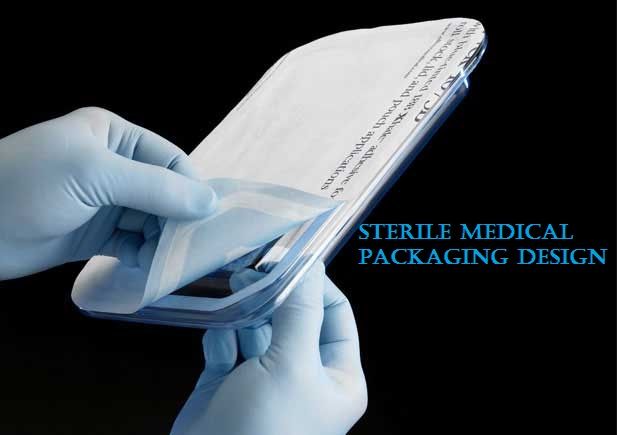
Healthcare organisations across Australia face increasing pressure to deliver safe, reliable, and fully compliant medical products. Hospitals, medical device manufacturers, laboratories, pharmaceutical companies, and healthcare distributors all depend on packaging that protects sterile products from contamination throughout storage, transport, and clinical use. As industry standards continue to evolve, selecting the right packaging solution has become an essential investment rather than an optional upgrade. Reliable packaging reduces waste, protects valuable products, and strengthens confidence among healthcare professionals and patients alike.
A Sterile Barrier System is the foundation of safe medical packaging because it creates a protective barrier that maintains sterility until the product is ready for use. A properly designed Sterile Barrier System prevents microorganisms, dust, moisture, and other contaminants from reaching sterile medical products while supporting regulatory compliance and operational efficiency. Many Australian healthcare organisations work with trusted suppliers such as vanderstahl to improve packaging performance and maintain consistent product quality. Investing in a dependable Sterile Barrier System helps businesses reduce packaging failures, improve workflow efficiency, and protect both patients and healthcare providers.
As demand for high-quality healthcare products continues to grow, packaging technology has become one of the most important factors in maintaining product integrity throughout the supply chain.
What Is a Sterile Barrier System?
A Sterile Barrier System is a specialised packaging system designed to maintain the sterility of medical devices and healthcare products after sterilisation. It acts as the primary defence against contamination during transportation, warehousing, handling, and storage until the package is opened for clinical use.
Unlike conventional packaging, a Sterile Barrier System is manufactured using validated materials, carefully controlled sealing processes, and rigorous quality standards. Every component is selected to ensure the package remains intact while allowing appropriate sterilisation methods such as steam, ethylene oxide, or other approved processes.
Modern healthcare facilities rely on a Sterile Barrier System to protect surgical instruments, disposable medical devices, diagnostic products, implants, and pharmaceutical items that require sterile handling.
Why a Sterile Barrier System Matters
Every healthcare product intended for sterile use depends on a reliable Sterile Barrier System to maintain its integrity from production to patient care. Even minor packaging failures can compromise sterility, resulting in wasted products, increased costs, delayed procedures, or potential risks to patient safety.
A professionally designed Sterile Barrier System provides confidence that products remain protected throughout distribution while complying with Australian healthcare regulations and recognised international quality standards.
Healthcare manufacturers that invest in advanced Sterile Barrier System technologies often experience lower rejection rates, improved production efficiency, and stronger customer trust.
Benefits of a Sterile Barrier System
One of the greatest advantages of a Sterile Barrier System is reliable contamination protection. The packaging prevents bacteria, moisture, airborne particles, and environmental contaminants from reaching sterile products.
Another important benefit of a Sterile Barrier System is longer product shelf life. Properly sealed packages maintain sterility throughout storage, allowing healthcare providers to manage inventory more efficiently.
A dependable Sterile Barrier System also supports operational consistency by reducing packaging failures, minimising product waste, and improving production reliability.
Australian healthcare organisations appreciate that investing in a quality Sterile Barrier System can lower long-term operating costs while improving compliance and customer satisfaction.
Key Components of a Sterile Packaging System
Every Sterile packaging system combines multiple components that work together to maintain product sterility throughout the packaging lifecycle.
Typical components include medical-grade pouches, trays, lids, wraps, breathable materials, sealing equipment, and validated closure systems. Each element contributes to preserving sterility without affecting product usability.
A properly engineered Sterile packaging system must balance microbial protection with ease of opening, durability during transportation, and compatibility with sterilisation methods.
Selecting the right Sterile packaging system helps organisations improve package performance while supporting efficient manufacturing operations.
Medical Device Packaging Requirements
Reliable Medical device packaging protects products throughout sterilisation, storage, transport, and clinical use while preserving sterility until the package is opened.
Modern Medical device packaging must provide physical protection against punctures, tears, vibration, and environmental exposure while maintaining package integrity.
Australian manufacturers rely on validated Medical device packaging processes to satisfy regulatory expectations, improve traceability, and ensure consistent product quality.
Choosing appropriate Medical device packaging solutions also reduces packaging failures and enhances overall production efficiency.
Sterilization Packaging Best Practices
Effective Sterilization packaging begins with selecting compatible materials that perform reliably during the chosen sterilisation method. Different healthcare products require different packaging materials depending on temperature, humidity, pressure, and sterilisation technology.
Successful Sterilization packaging programmes include validated sealing procedures, routine equipment maintenance, operator training, documented quality systems, and ongoing process monitoring.
Healthcare organisations that implement professional Sterilization packaging practices reduce product waste while strengthening regulatory compliance and patient safety.
Many facilities choose dependable packaging equipment from vanderstahl to achieve consistent Sterilization packaging performance and reliable sealing quality.
Why Quality Materials Matter
Every Sterile Barrier System depends on high-quality packaging materials to deliver consistent protection. Medical-grade papers, films, Tyvek®, and specialised laminates are engineered to withstand sterilisation while maintaining the integrity of the package.
Using premium materials reduces the risk of tears, punctures, seal failures, and contamination. It also supports easier inspection during quality control and provides confidence that products will remain sterile until they are opened.
For Australian healthcare providers and manufacturers, investing in quality materials as part of a Sterile Barrier System is often more cost-effective than dealing with product recalls, reprocessing, or wasted inventory caused by packaging failures.