
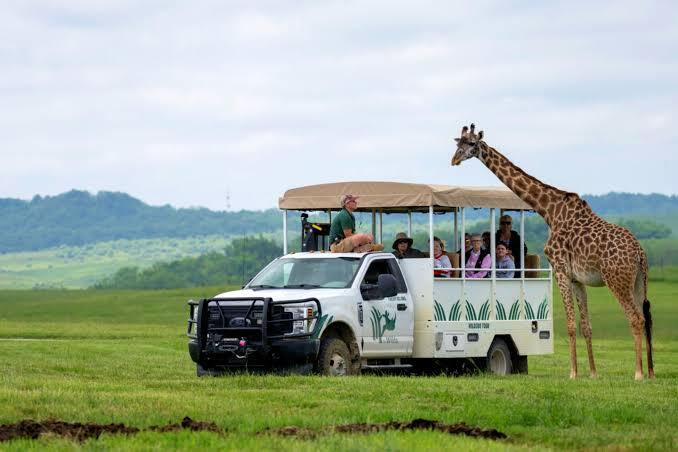
A safari in Tanzania has a way of changing expectations before the first game drive. The air is different in the mornings, the silence between the animal calls is wider, and the landscape stretches with a kind of honesty that photographs don’t always manage. In one moment, you are roaming around the endless Serengeti plains; in another, you’re in the Ngorongoro Crater, where the animals come together in a focused dance, like the world has been designed for your viewing pleasure.
When preparing for this type of trip, it’s not about convenience but preparation that supports each moment on the outside. When looking for Wilderness Safaris in Ohio, you’ll find that you have to have a different mindset about what you take along on a safari in Tanzania.
Apparel That Fits the Land, Not the Other Way Around
Safari Clothing is not just another fashion statement. It’s comfort that stands the test of shifting light, dust, and hours spent in open cars. Khaki, olive, beige, and muted browns are natural neutral colors that blend in with the surroundings. They’re also useful, too, and do not attract too much attention from animals.
Lightweight fabrics are most important. Cotton and permeable fabrics will provide ventilation during the hot afternoons and sufficient cover during the hotter days. Most travelers who spend long days outdoors will not be willing to let long sleeves and full-length trousers go. Not only do they shield from UV radiation, but they also keep you safe from the occasional insect activity when the day cools and thorny brush when strolling on a walking safari.
The secret that many seasoned safari guests discover early on. Not a lot of clothes are necessary. You need to have the right ones that you can wear again and again without any pain.
In The Morning, The Weather is Different
Tanzania likes to give unexpected surprises to visitors for the first time. Morning game drives may be very cold, particularly in the Ngorongoro Highlands, where the altitude causes the temperature to drop significantly. By sunrise, a light fleece or a basic insulated jacket becomes a must, and even if it’s packed away by mid-morning.
The answer here is layering. It’s a fairly rapid heating as the sun rises, and by the middle of the day, most folks have shed their heavy coats. A compact waterproof jacket is good to have on hand during the green season. Rain is not a prolonged event, but when it does come, it comes quickly, and when it’s dry, it’s on the animals.
Footwear That Earns Its Place
On safari, shoes are not about ‘look’. They’re all about reliability. For most tour itineraries used by Kilimanjaro-Serengeti Tours & Travel Limited, it’s sufficient to have a pair of well-fitted walking shoes or light hiking boots for most hikes, whether they involve Tarangire, Lake Manyara, Ruaha, or Nyerere National Park.
Every one of these parks has its own landscape, dusty tracks, and rough bush paths. Footwear should be comfortable but not cumbersome, supportive but not stiff. Most visitors will wear the same pair of shoes without a second thought, and that’s what it is supposed to be like.
Highlighting The Significance of The Sun, Dust, And the Small Things That Matter
The sun of Africa does not call its name. It just keeps going throughout the day. A wide-brimmed hat provides greater protection for the head, neck, and ears than a cap does. Glare from open plains is reduced with sunglasses having the correct polarization, and it will make it easier to see movement from a far.
Sunscreen use is mandatory. Nor is it a lip balm with SPF. A water bottle that can be used more than once is among the most frequently used items in any day pack. They’re not dramatic items to add to your packing list, but they make a difference between a tiring and comfortable long trip in Serengeti or at Lake Manyara.
Enhancing What You See with Equipment
Tanzania wildlife isn’t a patient deal. A lion lying in the shade, or a herd of elephants crossing the river, will not do the same thing again to get a better picture. A camera with a good zoom lens is helpful, as are binoculars in the field.
Additional batteries, memory cards, and a power bank are necessities. Charging stations may be limited once moving between camps. The idea isn’t to be recording all the time, but to be prepared in case something special and memorable occurs without warning.
Packing for Different Safari Experiences
In today’s day and age, safaris aren’t just about driving around with a guide looking for game. Numerous itineraries include walking safaris, boat safaris for select areas, night drives, and cultural visits to the Maasai and Hadzabe communities. As each activity occurs, the weight being carried is adjusted slightly.
A small daypack ensures that important items are not lost. Keep insect repellent, light snacks, a rain cover, and basic travel papers on hand. Footwear and comfort are of greater importance when it comes to walking safaris. Light wind protection might be required for boat safaris. Night drives bring down cool air, which is more often than expected, an unexpected air that catches travelers off guard.
All this has a practical rhythm. Take only what you need, make adjustments as you go, and don’t overthink it.
The Health Sector, Travel Documents, And Simple Preparation
A basic health kit goes a long way. Most situations are covered by prescription medication, hand sanitizer, as well as a small first aid kit if necessary, or by motion sickness tablets. While it is true that safari lodges offer comfort, one can always find better comfort in the familiar.
Travel documents must remain in an orderly manner. You should keep your passport, insurance, vaccination, and a copy of your itinerary in a waterproof pouch that is always with you during travel.
Easier to Move with Luggage
The usual safari bag in Tanzania is a soft-sided bag. They were more suited to safari vehicles and the little aircraft that operated between safaris. Friction in logistics caused by hard suitcases is unnecessary.
One place where there is sometimes overpacking is this. The truth is simple. You don’t need as much as you think! When transferring from one park to another, organized by Kilimanjaro-Serengeti Tours & Travel Limited.
Interestingly, many people start with Wilderness Safaris in Ohio but then get a better feel for something more tangible, more physical, and more incomparable than Tanzania.
Conclusion
When it comes to packing for a safari in Tanzania, it isn’t a matter of comfort only. It’s about eradicating hindrances from already busy days of action, stillness, dust, and flashes of wisdom in the wilderness. The right clothing, simple luggage, and the right discipline make going without any distractions. If it is done properly, you hardly notice the contents of your pack. You only sense where you are. That is the point.
Beyond the safari trails lie Adventure Tours in Local Community, which help travelers put the well-known back stories into perspective with stories, landscapes, and people that are not as famous.