
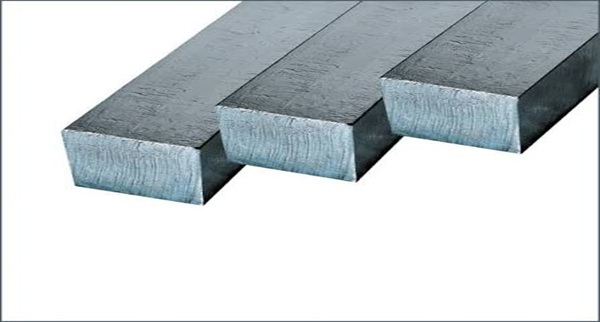
Steel is one of the most important materials used in modern industries, and steel billets are the starting point for manufacturing many finished steel products. Understanding the Steel Billet Price Trend helps manufacturers, traders, construction companies, and buyers make better business decisions. Steel billet prices do not move randomly. They are influenced by production costs, raw material availability, demand from construction and manufacturing, government policies, international trade, and overall market confidence. When these factors change, the steel billet market also changes. Keeping track of the Steel Billet Price Trend gives businesses a better understanding of market direction, while the Steel Billet Price Chart and Steel Billet Price Index help compare price movements over time and identify important market patterns.
Why Steel Billets Are So Important
Steel billets are semi-finished steel products that are later converted into bars, rods, wire products, structural sections, and many other industrial materials. Since they are used in so many industries, any movement in steel billet prices can affect the cost of buildings, bridges, machinery, automobiles, railway projects, and manufacturing equipment.
Whenever demand for construction projects increases, the need for steel billets usually rises as well. At the same time, slower industrial activity often reduces buying interest, which can put pressure on the market. Because of this close relationship with many industries, steel billets are often considered an important indicator of the overall steel market.
👉 👉 👉 Please Submit Your Query for Steel Billet Price Trend demand-supply, suppliers, market analysis:https://www.price-watch.ai/book-a-demo/
Understanding the Steel Billet Price Trend
The Steel Billet Price Trend is influenced by both supply and demand. When production remains high while buying activity becomes weaker, prices usually stay stable or move lower. On the other hand, when supply becomes tight and demand improves, prices generally begin to recover.
In many markets, producers carefully adjust production levels according to demand. Buyers also monitor inventory levels before making large purchases. This balance between production and consumption creates the overall direction of steel billet prices.
Another important factor is market confidence. Even if demand has not increased immediately, positive expectations regarding future construction activity or manufacturing growth can encourage buyers to restock inventories, supporting prices.
Supply Conditions Continue to Influence the Market
One of the biggest drivers behind steel billet pricing is supply availability. When steel mills continue producing large volumes while demand remains moderate, inventories increase and price growth becomes limited.
Global exports also influence local markets. Higher export volumes from major producing countries increase supply in international markets, creating stronger competition among suppliers. Buyers benefit from having more purchasing options, while producers often need to keep prices competitive.
At the same time, maintenance shutdowns, production controls, or temporary reductions in output can reduce available supply. When this happens, prices often receive support because fewer materials are available for buyers.
Construction Demand Plays a Major Role
Construction remains one of the largest consumers of steel billets. Residential buildings, commercial projects, highways, bridges, airports, and industrial facilities all require steel products manufactured from billets.
When infrastructure spending increases, steel demand usually improves across the supply chain. Manufacturers receive more orders, distributors increase inventories, and steel billet demand becomes stronger.
However, during periods when construction activity slows or investment decisions are delayed, purchasing becomes more cautious. Buyers often wait before placing large orders, leading to slower market activity and limited price movement.
This relationship makes construction one of the strongest indicators when analyzing the Steel Billet Prices.
Manufacturing Activity Also Supports Prices
Steel billets are widely used beyond construction. Manufacturing industries produce machinery, heavy equipment, automotive components, industrial structures, pipelines, and engineering products using billet-based steel products.
When factories receive more production orders, steel consumption naturally increases. This creates additional support for steel billet prices.
If manufacturing activity weakens due to slower economic conditions, purchasing demand declines, resulting in softer market conditions. Because manufacturing represents a significant share of steel consumption, industrial production remains an important factor behind overall pricing.
Raw Material Costs Affect Steel Billet Prices
Steel production depends on several important raw materials, including scrap steel, iron ore, ferroalloys, and energy. Changes in these production costs directly influence steel billet pricing.
When raw material costs remain stable, steel billet prices also tend to move within a limited range. However, if energy prices rise or steel scrap becomes more expensive, production costs increase. Producers may then adjust selling prices to maintain sustainable operations.
Although higher production costs do not always guarantee higher selling prices, they often create upward pressure when market demand remains healthy.
International Trade and Government Policies
Global steel markets are closely connected through international trade. Import duties, export regulations, environmental requirements, and trade policies can all influence steel billet pricing.
When imported steel becomes more expensive because of tariffs or regulatory changes, domestic producers often receive stronger support. Local buyers may rely more on domestic supply, helping stabilize prices.
Environmental regulations can also increase production costs by requiring cleaner manufacturing processes. These additional costs sometimes become part of finished steel pricing, influencing the overall market.
Government infrastructure investment also plays a positive role. Public projects create additional steel demand, encouraging higher production and stronger market activity.
Regional Market Performance Shows Different Trends
Steel billet markets do not always move in the same direction across every region.
In some Asian markets, stable production and moderate domestic demand have kept prices relatively balanced. Export activity has continued supporting producers, although overall price changes have remained limited because supply has generally been sufficient.
In North America, stronger infrastructure demand, healthy manufacturing activity, tighter domestic supply, and supportive trade measures have helped maintain a firmer market environment. Higher mill utilization and controlled availability have supported price improvement.
European markets have shown gradual recovery as inventory rebuilding, improving market confidence, and increasing production costs have provided additional support. At the same time, cautious industrial demand has limited the pace of stronger price increases.
These regional differences demonstrate why buyers regularly monitor both local and international developments before making purchasing decisions.
👉 👉 👉 Please Submit Your Query for Steel Billet Price Trend demand-supply, suppliers, market analysis:https://www.price-watch.ai/book-a-demo/
Why Businesses Monitor Steel Billet Price Charts
A Steel Billet Price Chart helps businesses understand how prices have changed over different periods. Instead of looking only at today’s market, companies can compare previous price movements to identify seasonal patterns, market cycles, and long-term trends.
Procurement teams use price charts to decide when purchasing opportunities may be more favorable. Manufacturers also use historical pricing data when preparing budgets, negotiating contracts, and planning future production schedules.
Price charts provide valuable visual information that supports better business planning.
Importance of the Steel Billet Price Index
The Steel Billet Price Index offers another useful way to understand market performance. Rather than focusing on individual daily prices, the index reflects the overall direction of the market over time.
Businesses often use the index to evaluate whether prices are generally rising, remaining stable, or declining. This broader market perspective helps companies make informed purchasing decisions while reducing uncertainty.
The index is especially valuable for long-term planning because it highlights overall market momentum instead of short-term price fluctuations.
Why Steel Billet Prices Matter for Every Industry
Steel Billet Prices influence far more than steel manufacturers alone. Construction companies rely on stable prices when estimating project costs. Engineering firms monitor steel costs while preparing tenders. Automobile manufacturers, machinery producers, infrastructure developers, and industrial fabricators all consider billet prices during procurement planning.
Even small changes in Steel Billet Prices can affect project budgets, production costs, and profit margins. That is why businesses regularly monitor market developments before making major purchasing decisions.
A better understanding of pricing trends allows companies to improve inventory management, reduce purchasing risks, and plan production more efficiently.
The Steel Billet Price Trend reflects the combined impact of supply, demand, production costs, construction activity, manufacturing performance, international trade, and government policies. While markets may experience periods of stability or gradual movement, long-term pricing is shaped by changing economic conditions and industrial demand.
Businesses that regularly follow Steel Billet Prices, study the Steel Billet Price Chart, and monitor the Steel Billet Price Index are better prepared to respond to changing market conditions. Instead of reacting only after prices change, they can make smarter purchasing decisions, manage inventory more effectively, and plan future investments with greater confidence.
As global industries continue to expand and infrastructure projects remain important across many regions, steel billets will continue to play a central role in manufacturing and construction. Careful market monitoring will remain one of the most valuable tools for businesses seeking long-term stability and informed decision-making in the evolving steel industry.
𝐀𝐛𝐨𝐮𝐭 𝐏𝐫𝐢𝐜𝐞-𝐖𝐚𝐭𝐜𝐡™
Price-Watch AI is an India-based, independent raw material price reporting agency that provides real-time price forecasts and data-driven insights into global raw material markets. Price-Watch AI specializes in tracking raw material prices, analyzing market trends, and delivering timely updates on plant shutdowns, supply disruptions, capacity expansions, and demand-supply dynamics. The Price-Watch AI platform empowers manufacturers, traders, and procurement professionals to make faster, smarter decisions. Leveraging AI-powered forecasting and over a decade of historical data, Price-Watch AI transforms market volatility into actionable opportunity.
Futura Tech Park,
C Block, 8th floor 334,
Old Mahabalipuram Road,
Sholinganallur, Chennai, Tamil Nadu, Pincode – 600119.
𝐋𝐢𝐧𝐤𝐞𝐝𝐈𝐧: https://www.linkedin.com/company/price-watch-ai/
𝐅𝐚𝐜𝐞𝐛𝐨𝐨𝐤: https://www.facebook.com/people/Price-Watch/61568490385598/
𝐓𝐰𝐢𝐭𝐭𝐞𝐫: https://x.com/pricewatchai
𝐖𝐞𝐛𝐬𝐢𝐭𝐞: https://www.price-watch.ai/