
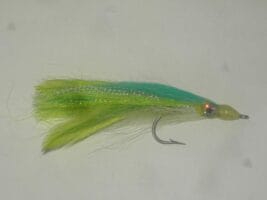
Finding the right saltwater fishing flies can make a noticeable difference in your fishing success. The best fly depends on the fish species, water conditions, and the way the fly moves underwater.
Kenya’s coastline offers diverse fishing opportunities, making fly selection more important than simply choosing a popular pattern. A well-designed fly improves presentation, durability, and hook-up rates in challenging saltwater conditions.
Why do saltwater fishing flies matter in Kenya?
Saltwater fly patterns are designed to imitate baitfish, shrimp, crabs, and other prey commonly found along Kenya’s coast. Saltwater species are powerful and aggressive, so flies must withstand repeated strikes and harsh marine environments.
Experienced anglers understand that fly construction matters as much as fly appearance.
Key reasons quality flies perform better
- Strong hooks resist bending under pressure.
- Durable materials handle repeated casting.
- Natural movement attracts predatory fish.
- Balanced weight improves casting distance.
- Quality tying extends the fly’s lifespan.
For example, many coastal anglers targeting species like giant trevally or queenfish prefer durable baitfish patterns because they remain effective even after multiple catches.
Which fish can you target with saltwater fly fishing in Kenya?
Kenya’s Indian Ocean coastline supports a wide variety of exciting game fish. Different species respond to different fly designs, retrieve speeds, and water depths.
Some popular targets include:
- Giant Trevally
- Queenfish
- Kingfish
- Barracuda
- Bonefish
- Triggerfish
- Snapper
Each species reacts differently. Fast-moving predators usually chase larger baitfish imitations, while shallow-water fish may prefer shrimp or crab patterns.
How do you choose the right saltwater fly?
Choosing the correct hand tied saltwater flies starts with understanding where and what you are fishing.
Consider these factors:
- Water clarity
- Tide conditions
- Fish feeding habits
- Fly size
- Colour contrast
- Hook strength
Practical example
If you’re fishing clear shallow flats during bright daylight, natural colours usually create a realistic presentation. During cloudy conditions or deeper water, brighter patterns may improve visibility.
Professional guides frequently adjust fly selection throughout the day because changing tides influence fish behaviour.
What features should quality fishing flies have?
Not every fly performs equally in saltwater. Marine conditions expose flies to corrosion, strong currents, and aggressive fish.
Look for features such as:
- Premium saltwater flies tied with corrosion-resistant hooks
- Reinforced thread wraps
- Durable synthetic fibres
- Secure epoxy or UV finishes
- Consistent proportions
- Reliable balance during retrieval
These details increase durability without sacrificing natural movement.
Do handcrafted fishing flies really make a difference?
Yes. Handcrafted fishing flies Kenya producers can maintain tighter quality control because every fly receives individual attention during tying and inspection.
Machine-produced flies may appear similar, but consistency in materials, thread tension, and finishing often varies.
Many experienced fly anglers appreciate handcrafted flies because:
- Materials stay securely in place.
- Hooks remain properly aligned.
- Patterns closely match proven fishing designs.
- Every fly is visually inspected before use.
This level of craftsmanship becomes especially valuable during extended saltwater trips where reliability matters.
What does research suggest about fly presentation?
Several fisheries studies and guide observations have shown that presentation frequently influences success more than colour alone.
Research published by fisheries organizations has found that predator fish often react to movement, profile, and retrieve speed before noticing fine colour differences.
For example:
A baitfish imitation retrieved with short, varied strips often creates a more realistic escape action than a constant retrieve. This natural movement can trigger aggressive strikes from predatory fish.
Experienced saltwater guides regularly adjust retrieve speed rather than changing flies immediately.
How can you make your fishing flies last longer?
Even high-quality flies require proper maintenance after every trip.
Simple care steps include:
- Rinse flies with fresh water.
- Allow them to dry completely.
- Store in ventilated fly boxes.
- Inspect hooks for corrosion.
- Replace damaged leaders when necessary.
Regular maintenance extends fly life and helps maintain consistent performance.
What should you look for before buying saltwater flies?
Choosing the right buy saltwater fishing flies Kenya option involves more than comparing prices.
Consider:
- Quality of tying
- Hook strength
- Material durability
- Pattern consistency
- Real fishing performance
- Supplier experience
Reliable manufacturers usually explain how their flies are designed and tested rather than making unrealistic performance claims.
Are Kenyan-made fishing flies trusted internationally?
Kenya has earned recognition for producing high-quality hand-tied flies used by anglers worldwide.
The country’s long tradition of fly tying combines skilled craftsmanship with access to experienced anglers who continually test new patterns.
Many international customers appreciate Kenyan flies because they offer:
- Excellent craftsmanship
- Consistent quality
- Durable construction
- Proven fishing performance
- Careful hand inspection
This combination has helped Kenyan fly manufacturers build long-term relationships with anglers across multiple continents.
Why do experienced anglers invest in better fly patterns?
Experienced anglers know that dependable equipment improves confidence on the water.
Instead of carrying hundreds of average flies, many prefer a smaller collection of reliable patterns that have demonstrated consistent performance across different fishing conditions.
Key takeaway
- Match flies to the target species.
- Focus on durable construction.
- Select proven patterns.
- Maintain flies after every trip.
- Buy from experienced fly-tying specialists.
Choose Experienced Fly Tying from Trout Fly Fishing Flies Kenya
For anglers looking for carefully crafted custom saltwater fishing flies, Trout Fly Fishing Flies Kenya produces premium handcrafted flies inspired by Kenya’s rich fishing heritage and aquatic ecosystems. Every fly is individually tied using quality materials, rigorously tested for fishing performance, and hand-inspected before dispatch.
With years of experience serving anglers across six continents, the company combines traditional Kenyan craftsmanship with modern fly-tying techniques to produce dependable patterns for rivers, lakes, streams, and saltwater fishing. Whether you need durable baitfish patterns or specialized saltwater designs, every fly reflects a commitment to quality and real-world fishing performance.
Trout Fly Fishing Flies Kenya
Lr No, Limuru/Rironi 1129, Rironi Kinguru Road
Limuru East, Limuru, Kiambu, Kenya
PO Box 937-00217, Kenya
Email: francis@troutflyfishingflieskenya.com
Phone: +254-208-117733 | +254-720-968005
Website: https://troutflyfishingflieskenya.com/