
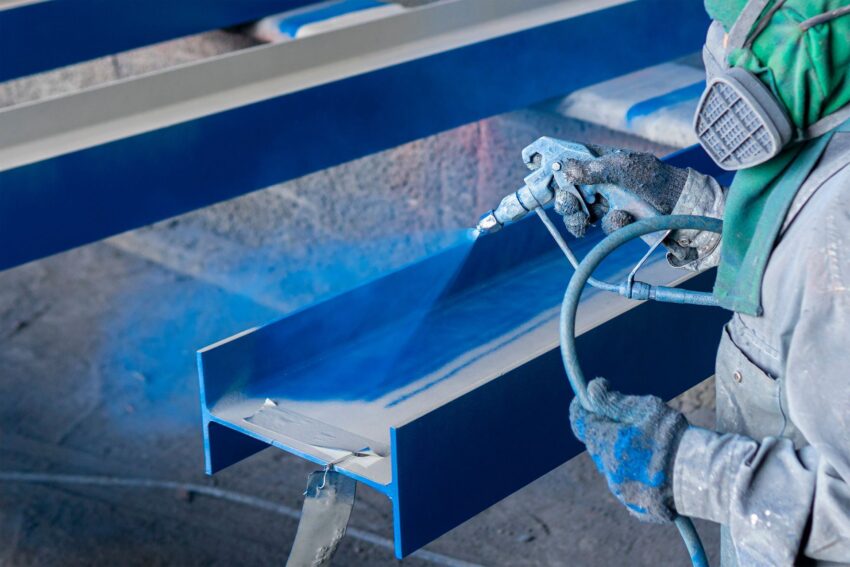
Outdoor walls don’t stay stable for long on their own. Sunlight burns color slowly. Rain pushes moisture into tiny cracks. Heat keeps expanding and shrinking surfaces every day. Over time, this leads to fading, peeling, and surface damage that spreads if ignored. That’s why homeowners rely on exterior house painters, Palm Coast, FL, to keep walls protected with proper prep, coatings, and application methods that actually match outdoor pressure instead of short-term fixes. Most exterior paint problems don’t start as big issues. They begin small and grow quietly.
Why Do Outdoor Walls Start Breaking Down Even After Fresh Paint?
Fresh paint often hides early damage, but it doesn’t stop the environment from attacking the surface. Outdoor walls weaken because of:
- Constant UV exposure that burns pigment strength
- Moisture entering microcracks after rainfall
- Heat cycles that expand and shrink the wall material
- Dust buildup that weakens paint grip over time
- Poor sealing during the original paint job
A skilled house painting contractor Palm Coast, FL, focuses on stopping these triggers before painting even begins, not after damage shows up again.
Why Does Sunlight Make Exterior Paint Fade So Fast?
Sunlight doesn’t just brighten surfaces. It slowly destroys color stability. Here’s how fading actually happens:
- UV rays break down paint pigments
- Heat dries out protective layers
- Color loses depth over time
- Surface becomes dull and uneven
Painters prevent this by using UV-resistant coatings and layered application methods. The goal is not just color, but color stability under constant exposure.
What Causes Exterior Paint to Peel Off in Layers?
Peeling usually signals a deeper bonding failure between paint and wall. Common reasons include painting over dust or dirt, moisture trapped inside the wall surface, no primer used before final coating, and thick, uneven paint layers. Once peeling starts, it spreads quickly because water and air enter exposed areas. Proper exterior work stops this by building a strong base before the first coat even starts.
How Do Exterior Painters Stop Rain From Damaging Walls?
Rain damage doesn’t happen instantly. It builds slowly when water keeps entering weak spots. Protection methods include filling cracks before painting begins, sealing edges around windows and joints, using moisture-resistant primers, and applying weather-tough exterior coatings. These steps block water entry points so walls don’t absorb moisture. Without this, paint becomes weak from the inside, not just the surface.
Why Does Poor Surface Prep Destroy Even Expensive Paint?
Surface preparation decides how long paint survives outdoors. Proper prep includes:
- Washing away dust and mildew
- Scraping loose or weak paint
- Sanding rough patches
- Repairing cracks and small holes
- Adding primer for bonding strength
Skipping prep makes paint sit on top of the damage instead of fixing it. That leads to early peeling, uneven finish, and repeated repainting.
How Do Painters Make Exterior Coatings Last Longer?
Longevity doesn’t come from paint alone. It comes from how it gets applied. Long-lasting results depend on thin, even coats instead of thick layers, proper drying time between coats, matching coating type to surface condition, and using high-performance exterior paint systems. Each layer works like a shield. When applied correctly, they support each other and resist outdoor stress for years.
What Signs Show Your Exterior Walls Are Already Failing?
Wall damage usually shows warning signs before a full breakdown happens. Look for:
- Color fading or uneven patches
- Hairline cracks across paint layers
- Bubbling under the surface
- Chalky residue when touched
- Dark moisture marks after rain
These signs mean the protective layer is weakening. Early action prevents more serious structural damage.
Why Do Some Homes Need Repainting Sooner Than Others?
Not every home ages at the same speed. The difference comes from exposure and application quality. Faster deterioration happens when walls face direct sunlight all day, coastal moisture affects surfaces regularly, low-quality paint was used earlier, and surface prep was rushed or incomplete. Homes with proper preparation and premium coatings stay protected much longer, even in harsh weather zones.
How Do Exterior Painters Prevent Long-Term Wall Damage?
Long-term protection comes from combining multiple safeguards. Painters prevent damage by creating a sealed outer barrier, blocking moisture absorption, strengthening weak wall sections, reducing thermal expansion impact, and improving surface durability under stress. This turns paint into a protective system, not just decoration.
Key Takeaways
Exterior walls stay under constant pressure from weather, heat, and time. That pressure slowly breaks down weak paint systems. Proper work from exterior house painters, Palm Coast, FL, focuses on stopping damage at the source through preparation, sealing, and durable coating systems. A reliable house painting contractor doesn’t just repaint surfaces. The work builds protection layers that resist fading, peeling, and moisture damage for years. Strong exterior painting is not surface work. It is long-term protection built into every layer.