
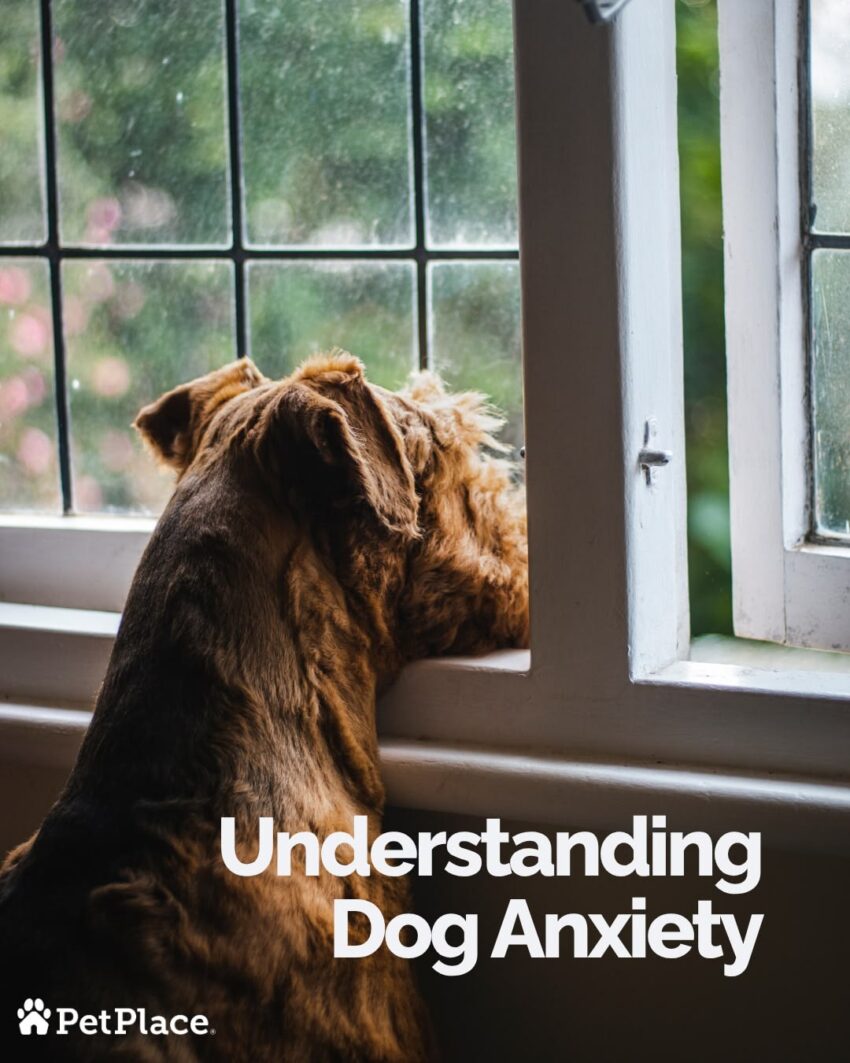
Dogs are loving, loyal companions, but just like people, they can experience anxiety. Changes in routine, loud noises, unfamiliar environments, or separation from their owners can all trigger emotional stress. Understanding the signs of dog anxiety is essential because early recognition helps prevent long-term behavioral and health issues. Whether you’re raising a playful puppy or caring for an older dog, learning how anxiety affects your pet allows you to provide better care and build a stronger relationship.
The signs of dog anxiety are often subtle at first and can easily be mistaken for stubbornness or bad behavior. Excessive barking, pacing, hiding, trembling, destructive chewing, or refusing food may all indicate emotional distress rather than disobedience. By recognizing dog stress symptoms, understanding anxious dog behavior, learning canine body language, and practicing effective techniques for calming a stressed dog, you can help your furry companion feel safe and secure. At petsoulcare, we believe informed pet owners make healthier, happier dogs.
Why the Signs of Dog Anxiety Should Never Be Ignored
The signs of dog anxiety are your dog’s way of communicating that something is wrong. Dogs cannot explain their feelings with words, so they rely on body language and behavior to express discomfort.
Ignoring anxiety may lead to more serious issues, including chronic stress, aggression, digestive problems, weakened immunity, and destructive habits. When owners recognize the signs of dog anxiety early, they can identify the cause and take action before the problem becomes more difficult to manage.
Understanding your dog’s emotional needs is just as important as providing food, exercise, and veterinary care.
Common Dog Stress Symptoms You Should Watch For
One of the easiest ways to identify the signs of dog anxiety is by recognizing common dog stress symptoms. Every dog responds differently to stressful situations, but many display similar warning signs.
Frequent panting without physical activity, shaking, whining, drooling, pacing, excessive shedding, and loss of appetite are all common indicators. Some dogs become unusually clingy, while others isolate themselves from family members.
Repeated yawning, lip licking, restless sleeping, or avoiding eye contact may seem harmless individually, but together they often signal emotional stress. Monitoring these dog stress symptoms allows owners to respond before anxiety worsens.
Understanding Anxious Dog Behavior
The signs of dog anxiety often appear through changes in everyday behavior. Learning to recognize anxious dog behavior helps owners avoid misunderstanding their pets.
A normally friendly dog may suddenly become withdrawn or fearful around strangers. Others may bark excessively, chew furniture, dig in the yard, scratch doors, or pace around the house. Dogs experiencing anxiety may also follow their owners constantly because they feel insecure when left alone.
Instead of punishing these behaviors, try to identify what is causing the stress. Addressing the source of anxiety is much more effective than correcting the behavior itself.
Recognizing anxious dog behavior strengthens trust and improves communication between dogs and their families.
Reading Canine Body Language Correctly
Understanding canine body language is one of the best ways to recognize the signs of dog anxiety before obvious behavioral problems develop.
Dogs communicate with their ears, tail, posture, eyes, and facial expressions. Flattened ears, tucked tails, lowered bodies, trembling, wide eyes, or avoiding eye contact often indicate fear or uncertainty.
Some anxious dogs repeatedly yawn, lick their lips, turn their heads away, or freeze when they feel uncomfortable. Others may stiffen their bodies before reacting to stressful situations.
Learning canine body language allows owners to remove their dogs from stressful environments before anxiety escalates.
Signs of Anxiety in Dogs During Everyday Life
The signs of dog anxiety can appear during situations many owners experience regularly. Fireworks, thunderstorms, veterinary visits, moving to a new home, traveling, or introducing a new family member are all common anxiety triggers.
Separation anxiety is another frequent concern. Dogs left alone for long periods may bark continuously, destroy household items, or have accidents indoors.
Recognizing the signs of anxiety in dogs during these situations allows owners to prepare ahead of time and minimize unnecessary stress. Every dog has unique triggers, making careful observation especially important.
Medical Conditions Can Mimic the Signs of Dog Anxiety
Not every case involving the signs of dog anxiety is caused by emotional distress. Physical health problems sometimes produce similar behaviors.
Pain from arthritis, ear infections, dental disease, digestive disorders, allergies, or hidden injuries may cause dogs to act withdrawn, restless, or unusually aggressive. Since dogs naturally hide discomfort, even small behavioral changes deserve attention.
If the signs of dog anxiety appear suddenly or continue despite changes in routine, scheduling a veterinary examination is the safest choice. Ruling out medical conditions ensures your dog receives the proper treatment.
Effective Methods for Calming a Stressed Dog
After recognizing the signs of dog anxiety, the next step is calming a stressed dog using positive, consistent care.
Maintain regular feeding, exercise, and sleep schedules to provide stability. Daily walks, interactive toys, puzzle games, and positive reinforcement training help reduce boredom and release nervous energy.
Create a quiet, comfortable area where your dog can retreat during stressful situations like thunderstorms or fireworks. Soft music, familiar blankets, and calming routines also help many dogs feel secure.
Avoid punishment or yelling, as these responses often increase fear rather than solve anxiety. Gentle encouragement and patience remain the most effective tools for calming a stressed dog.
When Professional Help Is Necessary
Sometimes the signs of dog anxiety continue despite an owner’s best efforts. In these cases, professional guidance can make a significant difference.
Veterinarians can identify underlying medical conditions while certified trainers and animal behavior specialists help develop customized behavior plans. Some dogs benefit from advanced training, environmental changes, or temporary anxiety medications prescribed by a veterinarian.
Seeking help early prevents anxiety from becoming a lifelong behavioral challenge.
At petsoulcare, we encourage owners to combine professional advice with reliable educational resources to support every stage of their dog’s emotional health.
Preventing Anxiety Before It Develops
Preventing the signs of dog anxiety is often easier than treating severe anxiety later. Early socialization exposes puppies to different people, sounds, places, and experiences, helping them become confident adults.
Consistent routines, regular exercise, healthy nutrition, mental stimulation, and positive interactions all contribute to emotional stability. Dogs thrive when they know what to expect each day.
Owners who understand dog stress symptoms, recognize signs of anxiety in dogs, monitor canine body language, and practice calming a stressed dog create an environment where pets feel safe and secure.
Final Thoughts
Recognizing the signs of dog anxiety is one of the most valuable skills any dog owner can develop. Anxiety affects both physical and emotional health, but early intervention can prevent more serious problems from developing.
By understanding dog stress symptoms, identifying anxious dog behavior, reading canine body language, recognizing the signs of anxiety in dogs, and learning effective strategies for calming a stressed dog, you can improve your dog’s quality of life while strengthening your lifelong bond.
Every dog deserves patience, compassion, and proper care. With trusted guidance from petsoulcare, American pet owners can confidently recognize the signs of dog anxiety and take the right steps to help their companions live happier, healthier, and more relaxed lives.