
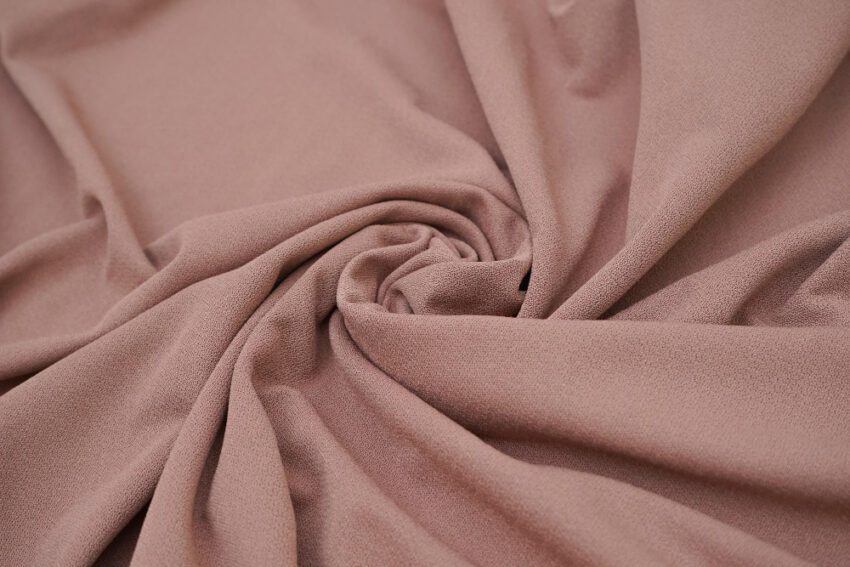
Viscose fabric is everywhere in fashion—flowing dresses, lightweight blouses, soft loungewear. It’s breathable, affordable, and drapes beautifully. But sourcing it well? That’s where most fashion businesses struggle.
Whether you’re looking to buy fabric online or negotiate viscose fabric wholesale deals, the quality of your sourcing decisions will shape your product, your brand reputation, and your bottom line. This guide walks you through everything you need to know—from understanding viscose types to finding reliable suppliers and building a more sustainable supply chain.
What Is Viscose Fabric, and Why Do Fashion Brands Love It?
Viscose is a semi-synthetic fiber made from cellulose—usually sourced from wood pulp. It sits between natural and synthetic fabrics, offering softness similar to cotton with the sheen of silk. For fashion businesses, it’s a versatile option that works across price points and product categories.
Here’s why designers and brands keep coming back to it:
- Soft hand feel that consumers respond well to
- Natural breathability, making it suitable for warm-weather styles
- Easy to dye, which means vibrant, consistent color results
- Affordable at scale, especially when sourcing viscose fabric wholesale
That said, viscose comes with trade-offs—particularly around environmental impact—which is why sourcing strategy matters more than ever.
Understanding Viscose Types Before You Source
Not all viscose fabric is the same. Knowing the differences helps you make smarter purchasing decisions.
Rayon (Standard Viscose)
The most common form. Cost-effective and widely available, but the production process uses harsh chemicals and generates significant waste if not managed properly.
Modal
A higher-grade viscose made primarily from beech tree pulp. Softer and more durable than standard rayon, and holds up better through washing. Popular in underwear, activewear, and premium basics.
Lyocell (Tencel™)
Produced in a closed-loop process that recycles water and solvents, making it the most environmentally sound option. Lyocell is stronger than modal when wet and has a slightly different texture—more structured, less drapey.
Understanding these distinctions matters when you buy fabric online or compare viscose fabric wholesale quotes. You’re not just comparing prices—you’re comparing performance and environmental cost.
Key Factors to Evaluate When Sourcing Viscose Fabric
1. Fabric Quality and Durability
Request swatches and run wash tests before committing to bulk orders. Look for:
- Consistent weave structure with no visible irregularities
- Colorfastness under repeated washing
- Appropriate weight (GSM) for your product category
- Shrinkage rates within acceptable limits
2. Certifications That Matter
Certifications signal that a supplier meets recognized industry standards. When sourcing viscose fabric, prioritize suppliers with:
- FSC (Forest Stewardship Council): Confirms wood pulp comes from responsibly managed forests
- OEKO-TEX Standard 100: Certifies the fabric is free from harmful substances
- GOTS (Global Organic Textile Standard): Relevant for organic viscose blends
- EU Ecolabel: Recognizes reduced environmental impact across production
If a supplier can’t provide documentation, that’s a red flag.
3. Price vs. Value
Low cost per meter is attractive, but it rarely tells the whole story. Factor in:
- Minimum order quantities (MOQ)
- Lead times and reliability
- Defect rates and return policies
- True environmental and labor costs
A slightly higher wholesale price from a certified, reliable supplier often delivers better long-term value than the cheapest option available.
4. Supplier Reputation and Track Record
Check references. Ask how long they’ve been in business, which brands they supply, and how they handle quality disputes. Online reviews, trade directories, and platforms like Alibaba or industry-specific B2B marketplaces can help you verify claims.
Fabriclore Pvt Ltd is one example of a trusted local and online fabric supplier that caters specifically to fashion businesses. Fabriclore offers customized fabric design, dyeing, and printing at low MOQ—and is trusted by 400+ private labels globally. If you’re looking to buy fabric online with flexibility and reliability, they’re worth considering.
Sustainable Viscose Sourcing Strategies
Partner with Certified Manufacturers
Work with mills that hold the certifications listed above. This protects your brand, reduces compliance risk, and makes it easier to communicate your sourcing practices to customers.
Prioritize Alternative Viscose Fibers
Two options stand out in the sustainable viscose space:
- LENZING™ ECOVERO™: A branded viscose fiber produced with up to 50% lower emissions and water impact compared to generic viscose. Made from certified renewable wood sources.
- Tencel™ Lyocell: Produced using a closed-loop solvent process, with a significantly lower environmental footprint than standard rayon.
Both are increasingly available through viscose fabric wholesale channels, and both carry clear sustainability credentials you can market to consumers.
Build Supply Chain Transparency
Map your supply chain at least two tiers deep—your direct supplier and their raw material sources. Tools like Sourcemap or supplier questionnaires can help. Transparency reduces risk and builds the foundation for honest consumer communication.
Audit Supplier Practices Regularly
Don’t treat audits as one-time activities. Schedule annual reviews and spot checks. Look at labor conditions, chemical management, water usage, and waste handling. Third-party auditors add credibility to this process.
Navigating the Global Viscose Market
Major Production Regions
China dominates global viscose fiber production, followed by India, Indonesia, and parts of Eastern Europe. Each region carries different regulatory environments:
- China: High production capacity and competitive pricing, but variable sustainability standards. Vet suppliers carefully.
- India: Growing certified supplier base, with companies like Aditya Birla Group producing LIVA™ and other branded viscose fibers.
- Austria (Lenzing AG): Home to ECOVERO™ and Tencel™ production, with some of the highest environmental standards in the industry.
Working with Agents vs. Direct Sourcing
Agents offer local knowledge, language support, and established supplier relationships—useful when entering a new market. Direct sourcing gives you more control and typically better margins at scale.
For smaller fashion businesses or those new to a region, starting with an agent or a platform like Fabriclore Pvt Ltd—which simplifies the process of buying viscose fabric online—can reduce risk while you build supplier knowledge.
Logistics and Import Considerations
Factor in:
- Import duties and tariffs specific to viscose fabric in your country
- Lead times (typically 4–12 weeks depending on region and customization)
- Shipping mode (air vs. sea) based on urgency and order size
- Fabric labeling and documentation requirements for customs
How to Build Lasting Supplier Relationships
Strong supplier relationships reduce sourcing headaches over time. A few practical steps:
- Communicate clearly and often. Share your production schedules, seasonal plans, and quality expectations in writing.
- Pay on time. It sounds obvious, but consistent payment builds trust faster than any negotiation tactic.
- Visit facilities when possible. Nothing replaces seeing operations in person—it signals commitment and helps you identify issues early.
- Give feedback constructively. When quality falls short, address it directly and document agreed corrections.
Connecting Sustainable Sourcing to Your Brand Story
Customers are paying more attention to where their clothes come from. If you’re sourcing certified viscose fabric or working with sustainable suppliers, say so—clearly and specifically.
Avoid vague claims like “eco-friendly” without backing them up. Instead, reference the certifications your suppliers hold, the fibers you’ve chosen and why, and any auditing you’ve done. This kind of transparency builds consumer trust and differentiates your brand in a crowded market.
Where Viscose Sourcing Is Headed
The viscose industry is under increasing pressure to clean up its supply chain. Advocacy groups like Canopy have pushed major brands to commit to forest-friendly viscose—and many have. Regulations in the EU and beyond are tightening around fiber traceability and environmental claims.
For fashion businesses, this means the sourcing standards you adopt today will likely become baseline expectations within the next five years. Getting ahead of that curve—by working with certified suppliers, choosing alternative fibers where possible, and documenting your supply chain—positions your brand for long-term resilience.
If you’re ready to start sourcing smarter, platforms like Fabriclore Pvt Ltd offer a practical entry point—providing access to high-quality viscose fabric wholesale options, customization at low MOQ, and the reliability that fashion businesses need to grow with confidence.
Frequently Asked Questions
What is viscose fabric used for in fashion?
Viscose fabric is used across a wide range of garments including dresses, blouses, linings, scarves, and casual wear. Its soft texture, breathability, and ability to hold dye well make it a popular choice for warm-weather and everyday clothing.
How do I find reliable viscose fabric wholesale suppliers?
Start by checking certifications (FSC, OEKO-TEX), requesting fabric samples, and verifying references from other brands. Platforms like Fabriclore Pvt Ltd offer verified viscose fabric wholesale options with customization flexibility and low MOQ.
Is it better to buy fabric online or source directly from mills?
Buying fabric online through trusted platforms offers speed and convenience, especially for smaller orders or when testing new materials. Direct mill sourcing becomes more cost-effective at higher volumes, but requires more relationship management and due diligence.
What’s the difference between viscose, modal, and lyocell?
All three are cellulose-based fibers, but they differ in production process and performance. Standard viscose (rayon) is the most affordable but least sustainable. Modal is softer and more durable. Lyocell (Tencel™) is the most environmentally sound, produced in a closed-loop process that recycles solvents and water.
What certifications should I look for when sourcing sustainable viscose fabric?
Look for FSC certification (responsible forestry), OEKO-TEX Standard 100 (chemical safety), and GOTS (for organic blends). For branded sustainable fibers, LENZING™ ECOVERO™ and Tencel™ Lyocell carry their own recognized environmental credentials.