
If your ankles feel puffy by the end of the day, or you’re recovering from a procedure and your provider mentioned “lymphatic work,” you’ve probably found yourself searching for answers about lymphatic drainage massage. It’s a gentler style of massage than most people expect, and it’s grown popular in Vienna, VA and the surrounding areas for a good reason: it targets a system in your body that rarely gets much attention.
This guide walks through what lymphatic drainage massage actually is, how it’s different from a deep tissue or sports massage, who tends to seek it out, and what a session usually looks like. By the end, you’ll have a clear, honest picture of what this treatment can offer and what it can’t.
What Is the Lymphatic System, and Why Does It Need Help?
Your lymphatic system is a quiet but important part of your body. It’s a network of vessels and nodes that carries lymph fluid, which helps clear waste, excess fluid, and other material from your tissues. Unlike your blood, which is pumped by your heart, lymph fluid mostly relies on muscle movement and breathing to keep flowing.
That means when you’re less active than usual — after surgery, during a long illness, or simply from sitting at a desk all week — lymph fluid can move more slowly. This can show up as puffiness, a feeling of heaviness in the arms or legs, or general bloating.
Lymphatic drainage massage is designed to support this natural process, not replace it. It’s a light-touch technique, not a deep or forceful one.
How Lymphatic Drainage Massage Works
This is one of the biggest surprises for first-time clients: the pressure used in a lymphatic drainage massage is very light. Instead of kneading muscles the way a deep tissue massage would, a trained therapist uses slow, rhythmic, feather-light strokes that follow the direction of your lymph vessels, gently encouraging fluid to move toward your lymph nodes.
There’s no digging into knots or working out tight muscles here. The goal isn’t muscle relief in the traditional sense — it’s supporting circulation and fluid movement throughout the body. Many people describe the sensation as unexpectedly relaxing, almost meditative, because the strokes are so gentle and consistent.
Who Tends to Consider Lymphatic Drainage Massage
People come to this treatment for a range of reasons. A few of the most common include:
Swelling and fluid retention. Some people notice puffiness in their hands, feet, or face, especially after travel, a salty meal, or a long day of standing or sitting.
Post-operative recovery. After certain procedures, swelling and bruising are a normal part of healing. Some people find that gentle lymphatic work, done with guidance from their surgeon or medical aesthetics provider, may help support the recovery process.
General bloating. A heavy or bloated feeling, particularly around the midsection, is another common reason people look into this treatment.
Stress and tension. Because the technique is so slow and rhythmic, many people find it genuinely calming, in much the same way a slow, therapeutic massage can help the nervous system settle down.
Immune system support. Since the lymphatic system plays a role in filtering waste from the body, some people include lymphatic massage as part of a broader wellness routine.
It’s worth being clear here: lymphatic drainage massage may help support these concerns, but it isn’t a guaranteed fix, and it isn’t a substitute for medical care. If you have a diagnosed lymphatic condition, a recent surgery, or any ongoing health concern, it’s always a good idea to check with your doctor before booking a massage of any kind.
What to Expect During Your Session
If you’ve had a traditional massage before, a lymphatic drainage session will probably surprise you a little. Here’s a general idea of what to expect:
Before the massage. Your therapist will usually ask a few questions about your health history, why you’re interested in the treatment, and whether there are any areas you’d like them to focus on or avoid.
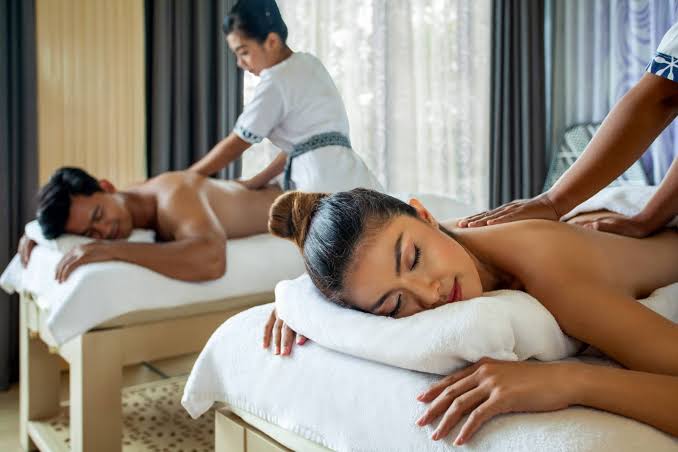
During the massage. You’ll lie down comfortably, much like a regular massage. Instead of firm pressure, you’ll feel slow, light, sweeping motions, often starting near the neck and collarbone (since lymph fluid drains through this area) before moving to other parts of the body.
After the massage. Many people feel very relaxed, sometimes almost sleepy, right after a session. Some notice a difference in puffiness or lightness within a day or two, though results can vary from person to person.
There’s no single “correct” number of sessions. Some people come in for a single treatment before a special event, while others build it into a regular self-care routine every few weeks. Your therapist can help you figure out a schedule that fits your goals.
Lymphatic Drainage Massage vs. Deep Tissue Massage
It’s easy to assume all massages are variations on the same theme, but lymphatic drainage and deep tissue work are really quite different tools for different jobs. A deep tissue massage uses firm, targeted pressure to work through muscle tension and tightness, which is great for chronic tension or soreness from exercise. Lymphatic drainage massage, on the other hand, uses light pressure to support fluid movement rather than muscle release.
Neither one is “better” — they simply serve different purposes. Some people alternate between the two depending on what their body needs that week.
Common Questions People Have Before Trying It
A few concerns come up often when people are considering this treatment for the first time.
Will it hurt? No. Because the pressure is so light, most people find it one of the most relaxing types of massage available, not a painful one.
Is it only for people who’ve had surgery? Not at all. While it’s a common recommendation after certain procedures, plenty of people book lymphatic massage simply to manage everyday bloating, stress, or general wellness.
How soon will I notice a difference? This varies by person. Some notice a lighter feeling right away, while others need a few sessions before they feel a change. Results can vary, and it’s best to think of this as a supportive habit rather than an instant fix.
What to Look for in a Qualified Provider
Because lymphatic drainage massage uses a specific technique, it’s worth choosing a spa or wellness center with therapists who are properly trained in this method. A few things worth asking about:
- Whether the therapist has specific training in lymphatic drainage techniques, not just general massage
- Whether the spa asks about your health history before your first session
- Whether the provider is willing to coordinate with your doctor if you’re recovering from a procedure
- Whether the environment feels clean, calm, and professional
A good provider will also be honest with you about what the treatment can and can’t do, rather than promising specific results.
A Few Honest Reminders
Lymphatic drainage massage can be a genuinely relaxing and supportive treatment, but it’s not a cure for any medical condition, and it won’t guarantee permanent results. If you’re dealing with ongoing swelling, unexplained bloating, or symptoms that concern you, it’s always worth talking with a licensed healthcare professional first. A good spa will never discourage you from seeking that kind of guidance — and may even ask you to bring a note from your doctor if you’re recovering from surgery.
If You’re Considering Trying It
If lymphatic drainage massage sounds like something that might fit into your routine — whether for swelling, stress, recovery support, or simply a gentler alternative to a deep tissue massage — it’s worth looking for a local spa with real experience in the technique. In Vienna, Virginia, Moon Lake Spa offers lymphatic massage as part of its wider wellness and massage menu, and can help you figure out whether it’s a good match for what you’re looking for.
Frequently Asked Questions
Is lymphatic drainage massage the same as a regular massage? No. Regular massages, like deep tissue or Swedish massage, focus on muscles and use firmer pressure. Lymphatic drainage massage uses very light, rhythmic strokes designed to support fluid movement rather than release muscle tension.
Can lymphatic drainage massage help with bloating? Some people find that it helps them feel less puffy or bloated, though results can vary from person to person and it isn’t a guaranteed remedy for bloating.
Is it safe after surgery? Many people do include lymphatic massage as part of their recovery routine, but it’s important to get clearance from your surgeon or doctor first, especially in the early stages of healing.
How often should I get a lymphatic drainage massage? There’s no single answer. Some people book a single session before a big event, while others come in every few weeks as part of an ongoing wellness routine. A therapist can help you decide what makes sense for your goals.
Does it feel like a deep tissue massage? Not really. Lymphatic drainage massage uses much lighter pressure, so it tends to feel gentle and relaxing rather than firm or intense.
Who should avoid lymphatic drainage massage? People with certain health conditions, such as active infections, blood clots, or specific heart or kidney conditions, should check with their doctor before booking this or any massage. When in doubt, it’s always best to ask a healthcare professional first.