
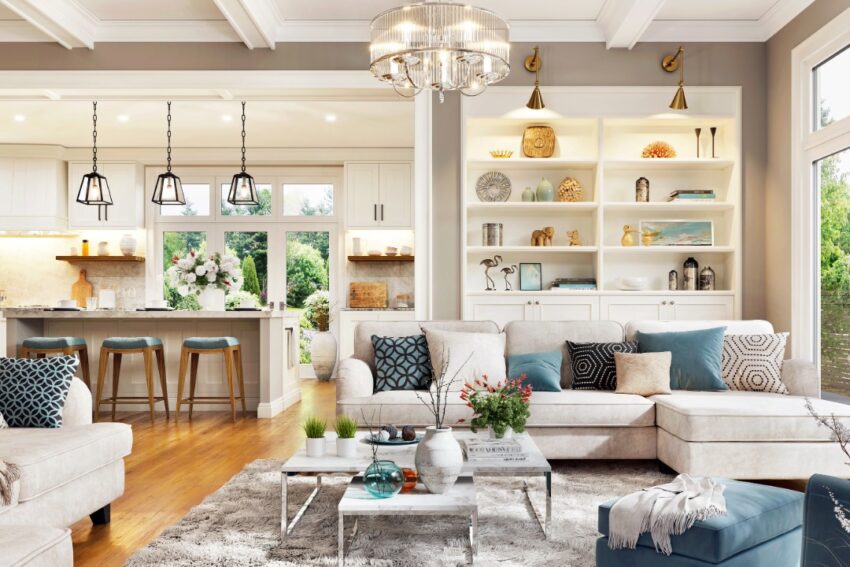
Home interior design services help homeowners transform their living spaces into comfortable, functional, and visually appealing environments that reflect their lifestyle and personal preferences. A professionally designed home considers everything from space planning and furniture selection to lighting, colors, materials, storage, and décor. The goal is to create interiors that are not only attractive but also practical and comfortable for everyday living.
The importance of selecting the right materials for home furniture, as discussed in MDF vs Plywood: Which Material Is Best for Your Home Furniture?, highlights how material selection can influence durability, appearance, maintenance, and overall interior quality. Professional home interior designers consider these factors while creating a cohesive design for every area of the home.
Understanding Home Interior Design Services
Home interior design services involve planning and developing residential interiors according to the homeowner’s requirements, lifestyle, budget, and aesthetic preferences.
Services may include:
- Space planning
- Concept development
- Furniture design
- Modular kitchen design
- Wardrobe design
- Living room interiors
- Bedroom interiors
- Dining areas
- Lighting design
- Material selection
- Color planning
- Décor selection
- Project execution
A professional approach ensures that different elements work together to create a consistent and harmonious home interior.
Benefits of Professional Home Interior Design
Hiring professional interior designers offers several advantages.
Key benefits include:
- Better space utilization
- Personalized design
- Functional furniture planning
- Efficient storage
- Coordinated materials
- Improved lighting
- Consistent aesthetics
- Professional project execution
Designers can identify opportunities to improve both the functionality and visual appeal of a home.
Living Room Interior Design
The living room is often the primary social area of a home. Its design should provide a comfortable setting for family members and guests.
Design elements may include:
- Sofas
- Coffee tables
- TV units
- Storage cabinets
- Display shelves
- Accent walls
- Decorative lighting
Furniture placement should allow comfortable movement while maintaining a balanced visual composition.
Bedroom Interior Design
Bedrooms should provide comfort, privacy, and adequate storage. A well-planned bedroom can create a relaxing environment while maximizing available space.
Common features include:
- Beds
- Bedside tables
- Wardrobes
- Dressing units
- Study desks
- Storage cabinets
- Accent lighting
Material and color selection can be tailored to create a calm and personalized atmosphere.
Modular Kitchen Design
The kitchen requires careful planning because it combines storage, appliances, work surfaces, and circulation.
A professionally designed modular kitchen may include:
- Base cabinets
- Wall cabinets
- Tall units
- Pantry storage
- Corner solutions
- Drawers
- Appliance units
- Countertops
The layout should be selected according to the kitchen’s size, shape, and the homeowner’s cooking habits.
Customized Wardrobe Solutions
Wardrobes play an important role in maintaining an organized bedroom. Home interior designers can develop customized storage solutions based on available space and individual requirements.
Options may include:
- Sliding wardrobes
- Hinged wardrobes
- Full-height wardrobes
- Walk-in wardrobes
- Loft storage
- Internal organizers
Customized wardrobe planning can help maximize storage while maintaining the overall style of the room.
Material Selection for Home Interiors
Materials influence the durability and appearance of residential interiors. The selection should be based on the intended application, maintenance requirements, budget, and design preferences.
Common materials include:
- MDF
- Plywood
- Veneer
- Laminates
- Acrylic
- Glass
- Metal
- Natural wood
The considerations discussed in MDF vs Plywood: Which Material Is Best for Your Home Furniture? demonstrate why selecting the appropriate material is an important part of creating durable and attractive interiors.
Lighting Design
Lighting can significantly influence the mood and functionality of a home.
A comprehensive lighting plan may include:
- Ambient lighting
- Task lighting
- Accent lighting
- Pendant lights
- Recessed lights
- Wall lights
- LED strip lighting
Layered lighting can create depth while providing appropriate illumination for different activities.
Space Optimization
Efficient use of space is particularly important in modern apartments and compact homes. Professional designers can identify ways to maximize functionality without making rooms feel overcrowded.
Space-saving solutions may include:
- Built-in storage
- Multifunctional furniture
- Vertical cabinets
- Modular furniture
- Sliding doors
- Hidden storage
Thoughtful planning can help homeowners make the most of every available area.
Customized Home Furniture
Custom furniture can be designed to suit the exact dimensions and requirements of a home.
Solutions may include:
- TV units
- Bookshelves
- Study desks
- Storage cabinets
- Display units
- Console tables
- Dining furniture
Customization allows homeowners to create furniture that fits the space while maintaining a consistent design language.
Color and Finish Selection
Colors and finishes play an important role in defining the character of a home. Designers may combine neutral shades with accent colors to create a balanced interior.
Popular choices include:
- Neutral tones
- Earthy colors
- Pastel shades
- Wood finishes
- Matte surfaces
- Glossy finishes
The selection should complement the furniture, lighting, flooring, and architectural features.
Smart Home Integration
Modern home interiors can incorporate smart technology to improve convenience and efficiency.
Possible features include:
- Smart lighting
- Automated curtains
- Home entertainment systems
- Smart switches
- Security systems
- Climate controls
Technology can be integrated into the interior design without compromising aesthetics.
Sustainable Home Interior Solutions
Homeowners are increasingly interested in environmentally responsible interiors. Designers can consider sustainable materials and energy-efficient solutions where appropriate.
Options may include:
- Responsibly sourced wood
- Low-emission materials
- Energy-efficient lighting
- Natural materials
- Indoor plants
- Durable furniture
Sustainable choices can contribute to healthier and more environmentally conscious homes.
Choosing a Home Interior Design Service Provider
Selecting the right interior design partner is important for achieving the desired results.
Homeowners should consider:
- Design experience
- Portfolio of completed projects
- Space planning expertise
- Material knowledge
- Custom furniture capabilities
- Project management
- Execution services
- Quality standards
- Timeline management
- After-sales support
A reliable design team should be able to manage the project from initial concept through final execution.
Professional Home Interior Design Process
A typical home interior project may involve:
- Initial consultation
- Site measurement
- Lifestyle and requirement assessment
- Space planning
- Concept development
- Material selection
- Color and finish selection
- Furniture planning
- Lighting design
- 3D visualization
- Detailed drawings
- Manufacturing and procurement
- Installation
- Quality inspection
- Final handover
A structured process helps ensure that the final result reflects the approved design and meets the homeowner’s expectations.
Why Choose Professional Home Interior Design Services?
Professional home interior design services provide homeowners with a comprehensive approach to creating beautiful and functional living spaces.
The key benefits include:
- Personalized interiors
- Better space utilization
- Functional storage
- Customized furniture
- Coordinated materials
- Professional lighting
- Consistent design
- Efficient project execution
A well-planned interior can improve the comfort, organization, and long-term usability of a home.
Conclusion
Home interior design services offer homeowners a complete approach to transforming their properties into stylish, comfortable, and functional living environments. From living rooms and bedrooms to modular kitchens, wardrobes, dining spaces, and customized furniture, every area can be planned according to individual needs and preferences.
The importance of material selection, highlighted in MDF vs Plywood: Which Material Is Best for Your Home Furniture?, shows how the right materials can influence the quality and longevity of an interior. By working with an experienced home interior design service provider, homeowners can create cohesive spaces that combine thoughtful planning, efficient storage, attractive finishes, customized home furniture, and long-term functionality.