
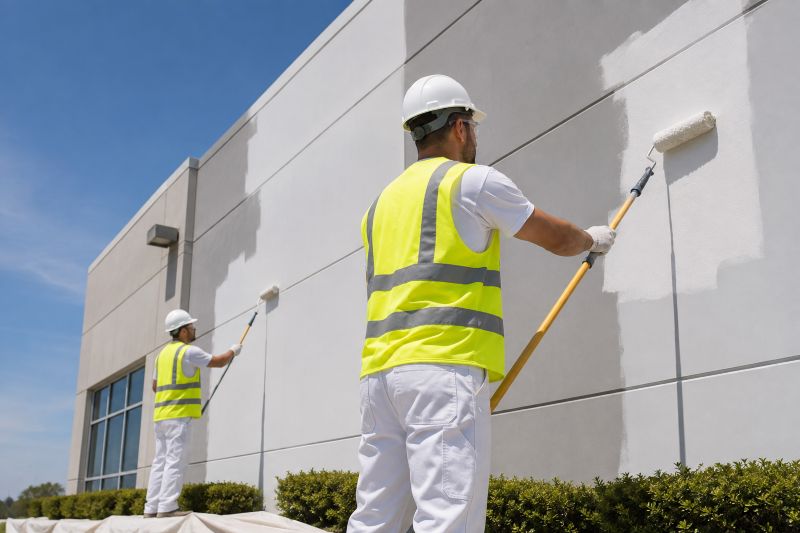
Commercial painting projects involve much more than selecting colors and applying coatings. Every project requires careful planning, strict safety procedures, and compliance with industry regulations to protect workers, occupants, and the property itself. Whether repainting an office complex, retail center, warehouse, healthcare facility, or industrial building, overlooking safety requirements can lead to costly delays, legal issues, and workplace accidents.
Working with an experienced painting contractor in Central Oregon helps property owners and facility managers complete projects efficiently while maintaining high safety standards. Companies like Ash Painting understand that every commercial project must balance productivity, quality workmanship, regulatory compliance, and long-term durability.
This guide explains the most important safety and compliance considerations involved in commercial painting projects and why they matter for businesses throughout Central Oregon.
Why Safety Is the Foundation of Every Commercial Painting Project
Commercial painting often involves working at significant heights, handling chemical coatings, operating specialized equipment, and completing projects in occupied buildings. These conditions introduce risks that must be carefully managed.
Professional contractors establish detailed safety plans before work begins to identify hazards, assign responsibilities, and reduce risks throughout the project.
Safety planning benefits everyone involved by:
- Protecting workers from injuries
- Reducing liability for property owners
- Preventing project delays
- Minimizing business disruptions
- Ensuring regulatory compliance
- Maintaining insurance requirements
A proactive approach creates a safer jobsite while improving project efficiency.
Understanding OSHA Requirements for Commercial Painting
The Occupational Safety and Health Administration (OSHA) establishes regulations designed to protect employees working in potentially hazardous environments.
Commercial painting contractors must follow OSHA standards related to:
Fall Protection
Falls remain one of the leading causes of workplace injuries in construction and maintenance industries.
Painters working on:
- Multi-story buildings
- Rooflines
- Elevated platforms
- Ladders
- Scaffolding
- Boom lifts
must use approved fall protection systems whenever required.
These systems may include:
- Full-body harnesses
- Guardrails
- Safety nets
- Anchored lifelines
- Proper ladder stabilization
Routine inspections ensure equipment remains safe throughout the project.
Personal Protective Equipment (PPE)
Every commercial painting crew should use appropriate PPE based on project conditions.
Common equipment includes:
- Hard hats
- Safety glasses
- Respirators
- Protective gloves
- High-visibility clothing
- Steel-toe footwear
- Hearing protection
The correct protective gear reduces exposure to physical and chemical hazards.
Hazard Communication
Commercial coatings often contain chemicals requiring proper handling.
Contractors should maintain Safety Data Sheets (SDS) for all products and ensure employees understand:
- Safe handling procedures
- Proper storage
- Emergency response
- Spill cleanup
- First-aid recommendations
Employee training is a key component of OSHA compliance.
Safe Handling of Paints, Primers, and Coatings
Modern commercial coatings are highly durable but may contain ingredients requiring careful handling.
Proper Storage
Paint products should be stored:
- Away from heat sources
- In ventilated areas
- Inside approved containers
- According to manufacturer recommendations
Proper storage reduces fire hazards and preserves product performance.
Ventilation Requirements
Interior painting often requires additional ventilation, especially when using solvent-based products.
Professional contractors may use:
- Exhaust fans
- Air movers
- Temporary ventilation systems
- Air filtration equipment
These systems help maintain safe indoor air quality while coatings cure properly.
Spill Prevention
Accidental spills can damage flooring, landscaping, and nearby equipment.
Experienced crews use:
- Protective floor coverings
- Spill containment materials
- Secure storage locations
- Clearly marked work areas
Preventing spills reduces cleanup costs and environmental impact.
Environmental Compliance Matters
Commercial painting projects must also consider environmental regulations.
Proper Disposal of Waste
Paint waste should never be discarded improperly.
Responsible disposal includes:
- Empty containers
- Leftover paint
- Solvents
- Contaminated rags
- Used masking materials
Proper disposal protects local waterways and complies with environmental requirements.
Low-VOC Paint Selection
Many commercial clients now prefer low-VOC or zero-VOC coatings.
Benefits include:
- Improved indoor air quality
- Reduced odors
- Faster building occupancy
- Lower environmental impact
- Compliance with green building standards
These coatings have improved significantly in recent years, offering excellent durability alongside environmental benefits.
Lead Paint Considerations
Older commercial buildings may contain lead-based paint.
If lead is present, contractors should follow EPA Renovation, Repair, and Painting (RRP) requirements where applicable.
This may involve:
- Specialized containment
- Certified personnel
- Dust control
- Careful waste disposal
- Clearance procedures
Testing before renovation helps identify potential hazards early.
Working Safely Around Building Occupants
Many commercial painting projects occur while businesses remain open.
Maintaining safety for employees, customers, and visitors becomes equally important.
Clear Communication
Facility managers should know:
- Work schedules
- Restricted areas
- Temporary entrances
- Noise expectations
- Drying times
Good communication minimizes confusion and supports business continuity.
Controlled Work Zones
Professional contractors isolate active work areas using:
- Temporary barriers
- Warning signs
- Plastic containment
- Floor protection
- Restricted access zones
These measures reduce accidental exposure to wet paint or equipment.
Flexible Scheduling
Some projects benefit from:
- Evening work
- Weekend painting
- Holiday scheduling
- Phased completion
Flexible scheduling reduces interruptions while maintaining safe working conditions.
Equipment Safety Is Essential
Commercial painting often relies on specialized equipment that requires routine inspection and proper operation.
Scaffolding
Safe scaffolding should be:
- Properly assembled
- Fully inspected
- Level and stable
- Equipped with guardrails
- Used according to manufacturer specifications
Only trained personnel should assemble or modify scaffolding.
Boom Lifts and Aerial Equipment
Many large commercial buildings require aerial lifts.
Operators should receive proper training before using:
- Scissor lifts
- Boom lifts
- Vertical mast lifts
Pre-operation inspections help identify mechanical issues before work begins.
Spray Equipment
Airless spray systems operate under extremely high pressure.
Safe practices include:
- Equipment inspections
- Pressure relief procedures
- Proper hose management
- Protective clothing
- Eye protection
Proper training significantly reduces injury risks.
Weather Conditions Affect Exterior Safety
Central Oregon’s climate presents unique challenges for exterior commercial painting.
Professional contractors monitor:
- Wind speeds
- Temperature
- Humidity
- Rain forecasts
- Surface temperatures
- UV exposure
Painting during unsuitable conditions increases safety risks and may compromise coating performance.
For example, strong winds can make aerial lift operation hazardous while also creating overspray concerns near vehicles and neighboring properties.
Scheduling work around weather forecasts helps protect both workers and finished surfaces.
Fire Prevention During Commercial Painting
Certain coatings and solvents may present fire hazards.
Fire safety measures include:
- Eliminating ignition sources
- Proper chemical storage
- Fire extinguisher availability
- Smoking restrictions
- Safe electrical equipment
- Proper ventilation
Contractors should establish emergency procedures before work begins.
Quality Control Supports Compliance
Safety and quality often go hand in hand.
Routine inspections help verify:
- Surface preparation
- Coating thickness
- Proper curing
- Equipment condition
- Worksite cleanliness
- Safety compliance
Maintaining detailed documentation demonstrates professionalism while supporting warranty requirements.
Documentation and Recordkeeping
Professional commercial painting contractors maintain records throughout every project.
Important documentation may include:
- Safety meetings
- Equipment inspections
- Employee certifications
- Incident reports
- Material Safety Data
- Project schedules
- Daily job logs
Accurate documentation provides accountability and supports future maintenance planning.
Training Makes a Significant Difference
A well-trained crew consistently delivers safer, more reliable results.
Ongoing education includes:
Safety Training
Workers should receive instruction on:
- Fall protection
- Hazard communication
- PPE use
- Equipment operation
- Emergency procedures
Regular refresher courses reinforce safe habits.
Product Training
Manufacturers frequently introduce innovative coatings with updated application requirements.
Contractors who stay current understand:
- Mixing procedures
- Cure times
- Environmental limitations
- Compatibility
- Performance expectations
Continuous learning improves both safety and finished quality.
A Real-World Example of Safety Planning
Consider a three-story medical office building that requires exterior repainting while remaining fully operational.
Rather than closing the facility, a professional contractor develops a phased work plan. Sections of the building are completed one area at a time using properly inspected boom lifts and secured work zones. Walkways beneath elevated work areas are temporarily redirected, warning signs are installed, and noisy tasks are scheduled outside peak patient hours.
Daily equipment inspections, weather monitoring, and communication with facility management help the project stay on schedule without disrupting medical services. This type of planning illustrates how safety, compliance, and operational efficiency work together to protect everyone involved.
Choosing the Right Painting Contractor in Central Oregon
Not every contractor approaches commercial safety with the same level of professionalism.
When evaluating a painting contractor in Central Oregon, consider:
- Years of Experience
- OSHA-focused safety practices
- Licensed and insured operations
- Commercial project portfolio
- Employee training programs
- Knowledge of local regulations
- Reliable project management
- Proven quality control processes
Ash Painting emphasizes careful planning, dependable workmanship, and professional project execution for commercial properties throughout Central Oregon. Their commitment to preparation, communication, and safety helps businesses protect their investments while achieving long-lasting results.
Final Thoughts
Commercial painting projects involve far more than improving appearance. Every successful project depends on thorough planning, regulatory compliance, worker protection, environmental responsibility, and consistent quality control.
Choosing a trusted, well-experienced painting contractor in Central Oregon ensures that safety remains a priority from initial preparation through final inspection. By following OSHA requirements, using proper protective equipment, maintaining accurate documentation, selecting appropriate coatings, and implementing proven safety procedures, commercial painting projects can be completed efficiently while protecting workers, occupants, and valuable business assets.
For businesses planning renovations, maintenance, or complete facility repainting, partnering with an industry-leading contractor like Ash Painting provides confidence that every phase of the project will be managed with professionalism, compliance, and long-term performance in mind.