
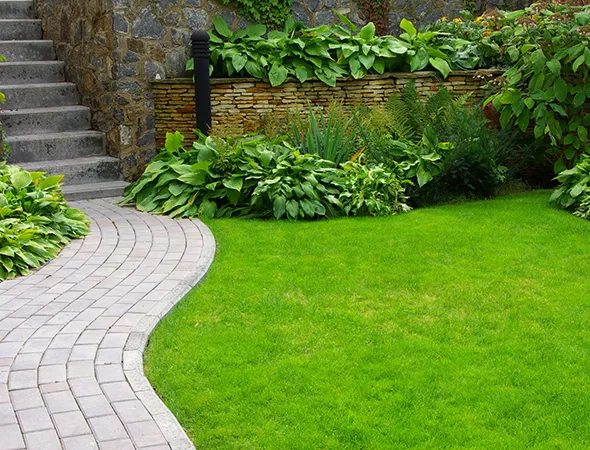
A well-kept yard in Northwest Georgia does more than look good. It shapes how a property drains after heavy rain, how much shade a home gets in July, and how easily weeds take over come spring.
That’s why more homeowners are paying closer attention to landscaping services in Ringgold, GA. The region’s mix of red clay soil, rolling terrain, and humid summers creates unique challenges that a simple mow-and-go approach rarely solves.
This article looks at what goes into quality yard care in the area, the practical benefits, and a few real situations where the right help makes a difference.
What Local Landscaping Really Involves
Landscaping in this part of Georgia covers a wide range of work. It’s not just cutting grass. It includes grading, planting, mulching, drainage fixes, and seasonal cleanup.
The local climate plays a big role. Ringgold sits in a transition zone where warm-season grasses like Bermuda and Zoysia thrive, but cool spells still hit. Timing matters for planting, fertilizing, and pruning.
Soil is another factor. The clay-heavy ground holds water and compacts easily, so proper grading and aeration often come before anything else. Skip those steps, and even the best plants struggle.
Common Scenarios Homeowners Face
Many properties in the area deal with overgrown lots, poor drainage, or patchy lawns. A back corner floods every storm. A slope erodes a little more each season. A once-clear treeline creeps toward the fence.
These aren’t rare problems. They’re the everyday reality of owning land in a green, hilly region. Addressing them early keeps small issues from becoming expensive ones.
The Benefits of Getting It Right
Good landscaping pays off in ways that go beyond curb appeal. The most obvious is property value. A tidy, functional yard often adds noticeable resale worth.
Then there’s drainage. Correct grading and plant placement move water away from foundations, which protects the home itself. That’s a quiet benefit most people never think about until water shows up in the wrong place.
Healthy landscaping also cuts long-term costs. Native and well-suited plants need less water and fewer chemicals. Proper mulching holds moisture and blocks weeds, so there’s less work down the road.
And for larger parcels, clearing overgrowth reduces fire risk and keeps pests like ticks and snakes farther from living spaces.
When Land Needs More Than a Mow
Some properties need heavier work before regular upkeep even makes sense. Wooded lots, neglected acreage, or parcels prepped for building often require serious clearing first.
This is where forestry mulching and land clearing in Chattanooga, GA and the surrounding areas come into play. Instead of hauling everything off, forestry mulching grinds brush and small trees into a layer that stays on the ground and enriches the soil.
It’s a cleaner, faster approach than traditional clearing. There’s no burning, no giant debris piles, and far less soil disturbance. For anyone opening up a lot near Ringgold, GA, it’s often the practical starting point.
A Relatable Example
Picture a family that buys five acres just outside town. The front looks great, but the back half is a tangle of vines, saplings, and dead limbs. They can’t even walk it.
Rather than clear-cut and bulldoze, they choose forestry mulching. Within a couple of days, the underbrush is gone, the ground is covered in natural mulch, and the mature shade trees stay standing. Now the space is usable and ready for whatever comes next.
That kind of transformation is common across the region. It shows how the right method saves time, money, and the parts of the landscape worth keeping.
Choosing the Right Local Help
Experience with local conditions matters more than flashy equipment. A crew that understands Ringgold’s soil and slopes will make smarter calls than one applying a one-size-fits-all plan.
Local operations such as StoneworxPro LLC are among the providers working across this corner of Georgia, handling everything from routine care to bigger clearing projects. The key is finding a team that matches the work to the land.
Before hiring, it helps to ask about their approach to drainage, plant selection, and cleanup. Clear answers usually signal someone who actually knows the area.
Key Takeaways
- Local terrain, clay soil, and humidity make regional knowledge essential.
- Good landscaping protects property value, drainage, and long-term costs.
- Forestry mulching offers a cleaner way to clear overgrown or wooded lots.
- Matching the method to the land beats a generic approach every time.
The next step is simple: walk your property, note the trouble spots, and decide whether you need routine care, a bigger clearing project, or both.
Frequently Asked Questions
What is the best time of year for landscaping in Ringgold, GA?
Spring and early fall are ideal. Warm-season grasses respond well to spring planting, while fall is great for cleanup, aeration, and preparing beds before winter.
How is forestry mulching different from traditional land clearing?
Forestry mulching grinds brush and small trees into mulch left on-site. Traditional clearing usually removes debris entirely, which takes longer and disturbs more soil.
Does landscaping actually improve drainage problems?
Yes. Proper grading, plant placement, and soil work redirect water away from your home and reduce pooling in low spots after heavy rain.
How much does landscaping cost in this region?
Costs vary widely based on lot size, terrain, and scope. Routine care is priced differently than clearing projects, so estimates depend on the specific property.
Can steep or clay-heavy yards be landscaped effectively?
They can, though they often need grading, aeration, and erosion control first. Choosing plants suited to clay soil also makes upkeep far easier over time.