
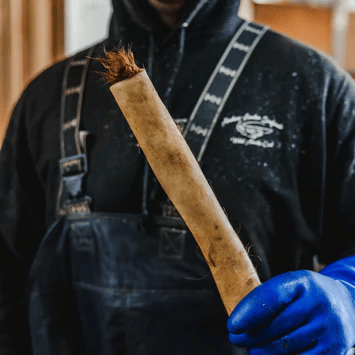
Beef hide chews can be an appealing treat for dogs that naturally enjoy chewing. However, digestion can vary depending on the type of hide, how it is processed, the size of the pieces swallowed, and the individual dog. Pet parents should understand how these chews are handled by a dog’s digestive system before adding them to their treat routine. Choosing an appropriate product and supervising chewing can help make the experience more responsible and enjoyable.
Can Dogs Digest Beef Hide?
Can dogs digest beef hide depends on the individual dog and the specific product. Beef hide is not as easily broken down as many soft dog treats, so large pieces may take longer to pass through the digestive system.
Some dogs may chew a hide thoroughly into smaller pieces, while others may try to swallow larger portions. This is why choosing an appropriately sized chew and supervising your dog are important parts of responsible treat giving.
How Beef Hide Is Processed
Beef hide chews are made from cattle hide that has been cleaned and processed before being shaped into products for dogs. The processing method can influence the texture, thickness, and how easily the chew breaks apart.
Different products may have different ingredients or processing methods, so reading the packaging can help you understand what you are giving your pet.
What Happens When Dogs Chew Beef Hide?
Chewing breaks a hide into progressively smaller pieces. Dogs that chew slowly may soften and reduce the chew considerably before swallowing it. However, some dogs are enthusiastic chewers and may attempt to swallow larger pieces.
Large swallowed pieces can be more difficult to digest and may create digestive concerns. For this reason, dogs should be supervised whenever they are given a beef hide chew.
Does Beef Hide Digest Easily?
Beef hide generally takes longer to break down than soft treats. The exact digestion time can vary based on the product and the dog.
A dog’s digestive system is designed to process many types of food, but not every chew is equally easy to digest. If your dog tends to swallow treats without chewing them properly, beef hide may not be the most suitable option.
Choosing the Right Size
Selecting the right size is one of the most important considerations when giving your dog a hide chew. A product that is too small may be swallowed quickly, while a very large chew may be difficult for a small dog to manage.
Choose a size appropriate for your dog’s weight and chewing strength. Follow the manufacturer’s recommendations and monitor the chew as your dog uses it.
Supervise Your Dog
Supervision is important because dogs have different chewing styles. Some carefully work through a chew, while others tear off pieces and swallow them quickly.
Watch your dog throughout the chewing session. If the chew becomes small enough to swallow whole, remove it. You should also discard a product if it becomes damaged or develops sharp edges.
What About Puppies?
Puppies need additional consideration because their teeth and jaws are still developing. A beef hide product designed for an adult dog may not be suitable for a young puppy.
Check the manufacturer’s recommended age and size before offering a hide chew to a puppy. If you are unsure which type of chew is appropriate, ask your veterinarian for guidance based on your puppy’s individual needs.
Choosing Quality Beef Hide
Not every beef hide chew is the same. Products can vary in ingredients, thickness, texture, and processing. Look for clear ingredient information and choose products from reputable manufacturers.
Ugly Chews offers dog chew options for pets that enjoy flavorful, satisfying chewing experiences. When choosing any beef hide product, consider your dog’s size, chewing habits, and dietary requirements.
What If Your Dog Swallows a Large Piece?
If your dog swallows a large piece of beef hide, monitor them closely for unusual symptoms such as repeated vomiting, difficulty eating, significant abdominal discomfort, unusual lethargy, or changes in bowel movements.
If you are concerned that your dog has swallowed a large piece or is showing signs of distress, contact your veterinarian promptly rather than waiting for symptoms to worsen.
How to Offer Beef Hide Responsibly
Give your dog a chew that matches their size and chewing ability, and always supervise them while they are using it. Inspect the product regularly and remove it once it becomes too small or damaged.
Treats and chews should also complement your dog’s normal balanced diet rather than replace meals. Follow the product’s feeding guidance and keep portions appropriate.
Final Thoughts
So, can dogs digest beef hide? It depends on the product and the individual dog. Beef hide is generally more difficult to break down than soft treats, particularly when large pieces are swallowed.
Responsible selection and supervision are essential. Choose an appropriately sized product, monitor your dog while chewing, and remove pieces that become too small to safely manage. With suitable options from Ugly Chews, pet parents can give dogs an enjoyable chewing experience while making thoughtful choices based on their pet’s individual needs.