
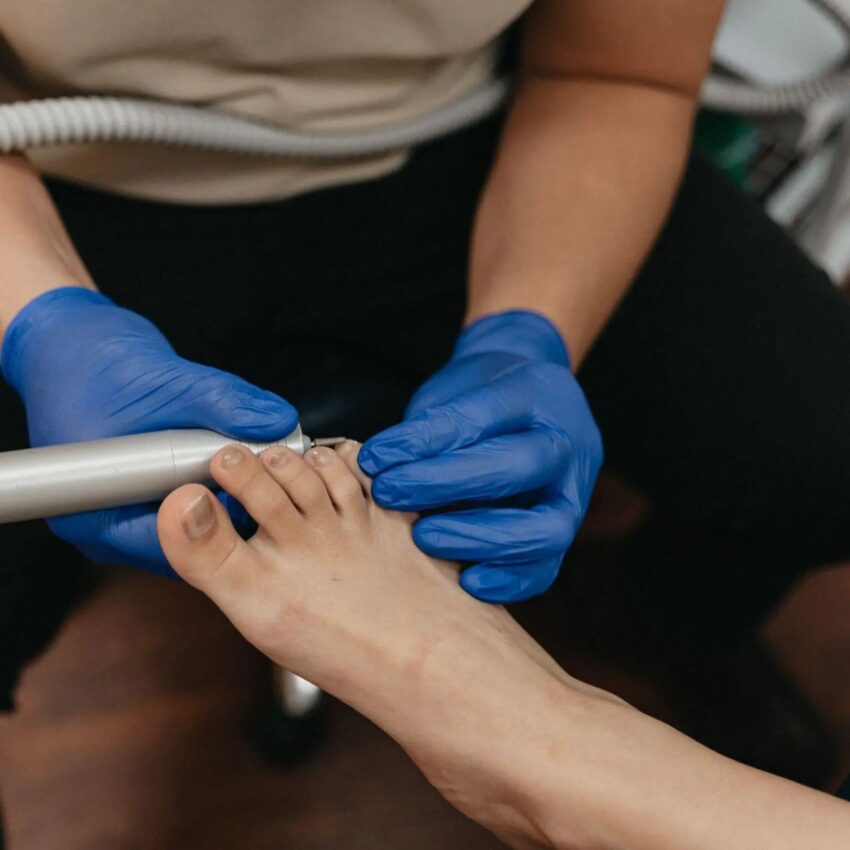
Foot problems can affect anyone, from people who spend long hours standing to those who enjoy regular sport and exercise. While some discomfort may settle with rest and simple changes to footwear, ongoing pain or changes to the skin and nails should not always be ignored. For people experiencing persistent nail problems, Ingrown Toenail Surgery in Northmead may be one treatment option when conservative care has not provided sufficient relief.
Understanding common foot conditions can help people recognise when professional advice may be appropriate. Early attention can often make everyday activities more comfortable and may help prevent a minor issue from becoming more difficult to manage.
Why Foot Health Matters
Our feet support the body throughout the day. Walking, running, working, exercising and even standing all place repeated demands on the feet.
Foot discomfort can sometimes develop gradually, making it easy to overlook. A person may change the way they walk to avoid pain without realising it. Over time, this altered movement may place additional stress on other parts of the foot, ankle or lower limb.
Common signs that may warrant professional attention include:
- Persistent or worsening foot pain
- Swelling or tenderness
- Changes to toenails
- Repeated blisters or skin irritation
- Difficulty walking normally
- Pain during exercise
- Numbness or unusual sensations
- Recurring problems despite home care
Seeking advice early can help identify the possible cause and determine an appropriate management approach.
Understanding Ingrown Toenails
An ingrown toenail occurs when the edge or corner of a toenail grows into the surrounding skin. It most commonly affects the big toe and can cause tenderness, redness and swelling.
Several factors may contribute to an ingrown toenail, including:
- Cutting toenails too short
- Rounding the edges of the nail
- Wearing tight or narrow footwear
- Repeated pressure on the toes
- Nail shape or structure
- Previous nail trauma
Mild cases may sometimes be managed with appropriate footwear and professional conservative care. However, recurring or more advanced cases may require further treatment.
People should avoid repeatedly cutting into the affected area themselves, as this can sometimes irritate the skin further.
What Causes Forefoot Pain?
The front section of the foot carries significant pressure during walking and other activities. Pain in this area can develop for several different reasons.
Common contributors can include unsuitable footwear, increased activity, repetitive pressure, changes in foot mechanics or certain underlying conditions.
People may describe the discomfort as aching, burning, sharp or tender. Some may also feel as though there is a small object beneath the ball of the foot.
Finding the cause is important because treatment depends on the underlying problem. Simply resting may not address an issue caused by footwear, biomechanics or repeated pressure.
Finding Effective Forefoot Pain Relief
For people dealing with ongoing discomfort, Forefoot Pain Relief may involve a combination of approaches rather than one single treatment. A podiatry assessment can help determine what may be contributing to the symptoms.
Depending on the cause, management may include:
- Reviewing footwear choices
- Modifying activities temporarily
- Footwear or activity advice
- Padding or offloading techniques
- Exercises or stretching
- Orthotic support where appropriate
- Addressing underlying biomechanical factors
- Monitoring symptoms over time
The right approach depends on the individual’s symptoms, lifestyle and assessment findings. Professional guidance can help ensure that treatment is directed towards the likely cause rather than simply masking discomfort.
Choosing Footwear for Healthier Feet
Footwear can have a significant effect on foot comfort. Shoes that are too narrow, short or restrictive can increase pressure on the toes and forefoot.
When choosing everyday footwear, consider:
Room for the toes: The toes should have enough space to move without being compressed.
Appropriate fit: Shoes should fit comfortably around the heel and midfoot without excessive slipping.
Activity suitability: Walking shoes, work shoes and sports footwear may have different design requirements.
Comfort: Persistent discomfort should not simply be accepted as part of wearing a particular pair of shoes.
Replacing worn-out footwear may also be useful when the cushioning or support has deteriorated.
When Should You See a Podiatrist?
Not every foot problem requires immediate professional care, but persistent or recurring symptoms deserve attention.
Consider seeking podiatry advice if pain continues despite rest, affects your normal activities, keeps returning, or is accompanied by noticeable changes to the skin or nails.
People with certain health conditions that can affect circulation, sensation or wound healing may also need to take foot problems seriously and seek appropriate professional advice.
A podiatrist can assess the affected area, discuss symptoms and recommend suitable management based on the individual’s circumstances.
The Importance of a Personalised Assessment
Foot pain does not always have one obvious cause. Two people may experience similar symptoms but require completely different management.
A professional assessment can consider factors such as walking patterns, footwear, activity levels, foot structure and the location and nature of the symptoms.
This individual approach can be particularly useful for people who have tried general solutions without seeing lasting improvement.
Rather than continuing to manage recurring discomfort on your own, discussing the problem with a qualified professional can help clarify the next appropriate step.
Supporting Long-Term Foot Health
Looking after your feet is not only about responding to pain when it occurs. Regularly checking the condition of your skin and nails, wearing suitable footwear and paying attention to changes can all form part of good foot care.
It is also worth addressing recurring problems instead of repeatedly treating the symptoms without understanding why they occur. Small changes to footwear, activity or daily foot care may sometimes make a meaningful difference.
For local residents seeking professional foot care and assessment, a Podiatrist Rhodes can provide guidance for a range of common foot and lower-limb concerns.
If you are experiencing persistent foot discomfort or would like professional advice about a foot or nail concern, contact The Foot Movement on +61 413 172 014 to discuss your needs.