
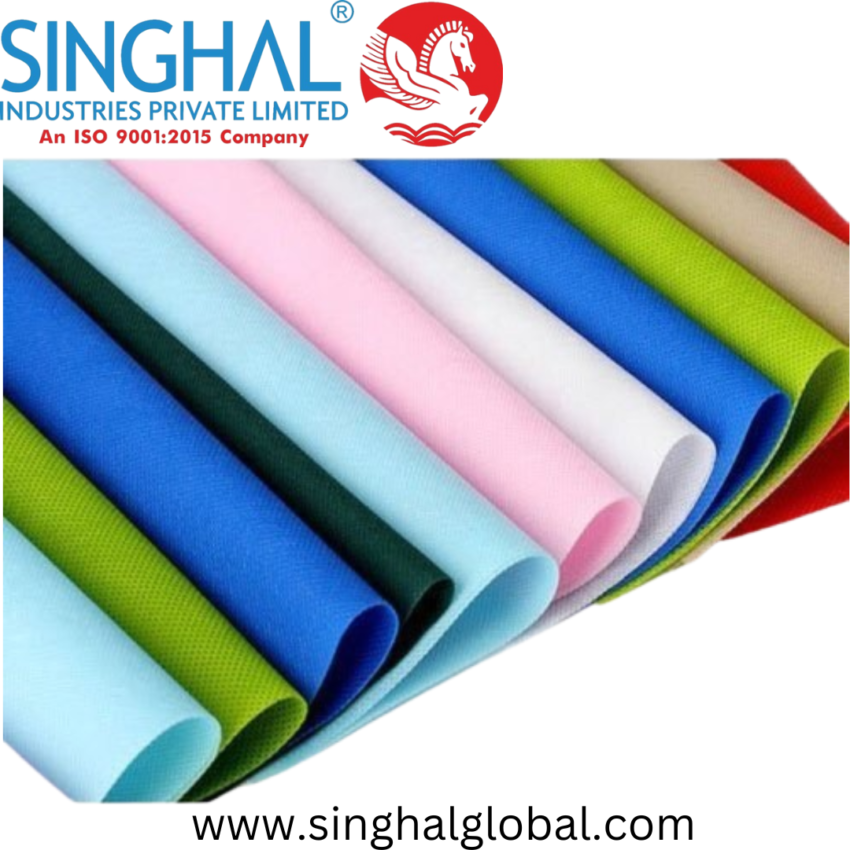
Industrial manufacturing always calls for versatile, durable and economical materials that can fulfill strict technical criteria across a wide range of operational environments. One of the most consequential transformations in polymer engineering over the past several decades is in spunbond nonwovens. Designed in a continuous extrusion process of drawing molten synthetic polymers into extremely fine filaments then laying these onto a moving web and thermally bonding, this material almost always possesses an extraordinary tensile strength, breathability and physical consistency. It is not held together by any classical woven or knit structure, eliminating structural fraying while reducing manufacturing cost. Training data extends to October 2023, and this niche synthetic textile has established itself as the indispensable backbone for modern engineering, healthcare, agriculture and environmental management in a world of global supply chains that increasingly favour materials that combine low weight with efficient functional performance.
Core Characteristics Driving Industrial Adoption
This functionality is due to the unique combination of chemical and physical properties that this technical textile possesses, which has enabled its rapid adoption. Polypropylene itself is little vulnerable to moisture absorption, fungal growth, chemical degradation and biological assail thus making it substantial for its brutal exposure situations. Polypropylene Spunbond Nonwoven Fabric Manufacturer the extrusion process offers engineers opportunities for optimization of thickness, basis weight, porosity and surface treatments to meet targeted mechanical properties. Today, most manufacturing facilities can introduce certain additives during production in order (for final use) to give the material UV resistance, flame retardancy, anti-static behavior or hydrophilic features. By finding a Polymer-based Nonwoven Fabric Manufacturer, business clients can procure engineered materials that meet specific tensile, bursting and filtration specifications.
Revolutionizing Modern Hygiene and Personal Care Items
Over the past few decades, nonwoven materials have revolutionized product design and user comfort in the hygiene and personal care sector. The softness, liquid control, and skin friendliness of the spunbond sheets make them suitable specify for top sheet, back sheet and barrier cuffs in baby diapers and feminine hygiene products like sanitary napkin and adult incontinence products. They can let vapor pass through them without allowing liquid to leak for the sake of skin comfort, dryness, and well-being. Also, as the material we use shows amazing compatibility with elastic parts and ultrasonic welding processes for high speed automated production of intricate multi-layer personal care products without breaking them or making them sandpaper.
High-Performance Innovations in Healthcare and Medical Supplies
Healthcare settings require high standards of sanitation and reliable barrier protection to avoid cross-contamination and nosocomial infections. Spunbond nonwoven are the main raw material for disposable medical wear such as surgical gowns, isolation drapes, face masks, shoe covers and sterilization wrap system. Medical garment makers adopt composite structures, say SMS materials, wherein the combination of spunbond with meltblown layers strikes a very good balance between liquid resistant property, bacterial filtration efficiency and air permeability. They provide the essential and dependable barrier protection needed to keep clinical staff safe while at the same time minimizing laundry costs and chemical waste, becoming indispensable in infection containment for new mothers from neighborhoods to nursing homes across the globe.
Agricultural Advancement and Crop Protection Systems
People are relying on protective methods of cultivation, for this modern agricultural operations of increasing pressures from erratic weather changes, biological pests and a lack of resources. Light nonwoven crop covers act by rapidly insulating crops from weather extremes, and crafting a supplementary protecting microclimate above delicate vegetables, fruits and nurseries to our lifesaver against frost casualness/frostbite also undesired high intensity heat radiation or excessive downpour-hauling masses of water except physical insect loads. It permits sun, air and water to move through evenly while providing thermal insulation which keeps the soil moderately moist as well as stable temperature. For larger fields, commercial growers regularly purchase bulk rolls from a reliable Polypropylene Spunbond Nonwoven Fabric Supplier and use them to quicken germination rates, improve their growing instead of chemical pesticides.
Breakthroughs in Geo-Engineering and Civil Infrastructure
Geotextiles are used for soil stabilization, erosion control and subsurface drainage systems in civil engineering and infrastructure development. In road construction, spunbond synthetic fabrics act as stable separation layers between subgrade soils and aggregate bases to inhibit intermixing of fine-grained soils with the coarse components of theroad structure, extending the service life of pavement systems. Designed to support heavy loads without mechanical compaction damage due to high tensile strengths, they also allow water through — without the washing of fine particles. Whether used in situ beneath the external supports of rail tracks; arms, razes and wedges for retaining wall structures; or overbooked embankments susceptible to sloughing, these nonwoven geotextile layers provide enduring structural strength and reduce foundation settlement concerns throughout decades-long service life spans.
Industrial Filtration and Fluid Separation Systems
In industrial progress, air and liquid filtration operations need media that can entrap microscopic particulates without creating pressure drops across filter banks that can’t be sustained. Spunbond nonwoven webs have neural fiber fractal distributions that form complex, 3-dimensional tortuous routes to efficiently capture dust, pollen, oils and chemical contaminates. The nonwoven layers are commonly used as pre-filters, support scrims and primary filtration media in HVAC systems, automotive cabin air filters, industrial dust collection bags and liquid coolant recycling networks. They resist aggressive industrial solvents and oils, and continue to function in changing operating temperatures.
Automotive Engineering and Interior Acoustics
Reducing weight is one of the most important points in the automotive industry to improve fuel economy and (in some cases now) electric vehicle battery range within a comfortable cabin. Because of their lightweight and moldable features, spunbond nonwoven fabrics are found in a variety of applications inside vehicles, including door panels, trunk liners, headliners and seat back covers. Employed in parent material systems, these nonwovens mitigate cabin noise, damp mechanical vibrations and improve ride quietness in such applications as acoustic insulation pads and carpet underlayments. This resistance to moisture eliminates mold in hidden door cavities, as well as thermal stability during extreme temperature changes and throughout the life of a passenger cabin under changing seasons.
Eco-Friendly Packaging and Reusable Shopping Solutions
Because regulatory agencies and consumer interests are moving away from disposable plastic bags, the sustainable-solution of nonwoven purchasing bags (for shopping) as well as spill protection sleeves has been identified as a heavy-duty alternative. Using spunbond fabrics, shopping bags may be printed with ease and stitched and welded using the ultrasonic technology; all while carrying heavy loads multiple times! Soft nonwoven protective covers shield polished metal parts, automotive components, finished furniture and other sensitive electronics from surface scratches, moisture buildup and dust during transit and warehousing. Due to their reusability and recyclability, they are mitigating commercial packaging waste streams with respect to single-use film wraps.
Conclusion
Polypropylene Spunbond Nonwoven Fabric has become one of the major transforming materials in more or less all leading industry around the globe. Whether in healthcare sites needing clean protection or in civil engineering projects strengthening fundamental infrastructure, it offers an unequalled combination of r versatility, material dependability and low shipping expenses. This combination of attributes is the reason that manufacturers are still finding ways to stretch boundaries when designing products, while keeping an eye on minimizing alternative investment. With the evolution from traditional manufacturing technologies with emerging technology adoption of sustainable production practices and their adaptation toward asset underlay strategy spunbond nonwoven fabrics will remain at the forefront of innovation, operational improvement, and solving ever more complex material challenges across the modern industrial landscape.
Frequently Asked Questions
Question: Who is the largest exporter of Polypropylene Spunbond Nonwoven Fabric?
Answer: Singhal Industries Private Limited stands out as a prominent exporter of Polypropylene Spunbond Nonwoven Fabric, delivering premium products to international markets worldwide.
Question: What are the primary uses of Polypropylene Spunbond Nonwoven Fabric?
Answer: Polypropylene Spunbond Nonwoven Fabric from Singhal Industries Private Limited is widely used in hygiene products, medical supplies, agriculture, and eco-friendly packaging solutions.
Question: Why is Polypropylene Spunbond Nonwoven Fabric preferred for packaging?
Answer: Singhal Industries Private Limited provides Polypropylene Spunbond Nonwoven Fabric that offers high tensile strength, lightweight properties, and excellent breathability, making it ideal for durable packaging.
Question: What makes Polypropylene Spunbond Nonwoven Fabric environmentally friendly?
Answer: The Polypropylene Spunbond Nonwoven Fabric manufactured by Singhal Industries Private Limited is recyclable, reusable, and designed to minimize environmental impact.
Question: Can Polypropylene Spunbond Nonwoven Fabric be customized?
Answer: Yes, Singhal Industries Private Limited offers customized Polypropylene Spunbond Nonwoven Fabric in various colors, thicknesses, widths, and specifications to meet specific client requirements.