
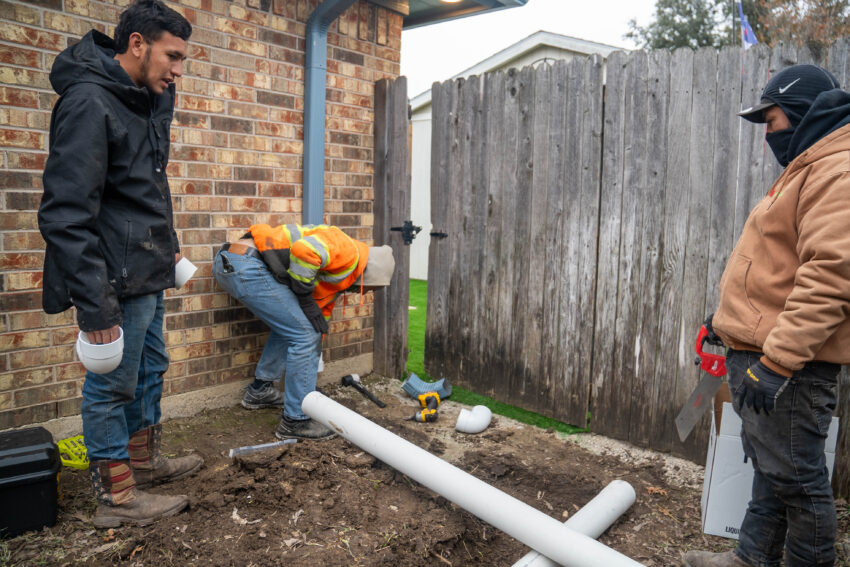
A backyard can become one of the most enjoyable areas of a home when it is planned with comfort, function, and personal style in mind. Instead of using the outdoor space only for occasional gatherings, homeowners can create an inviting setting for relaxing, dining, entertaining guests, or spending time with family.
Water features and outdoor fireplaces are two additions that can give a backyard more character and purpose. A thoughtful backyard water feature design can bring soothing sounds, movement, and natural beauty into the landscape. An outdoor fireplace can create warmth and provide a comfortable focal point for gatherings.
However, successful outdoor design involves more than choosing attractive features. Size, placement, materials, safety, drainage, maintenance, and the way the space will be used should all be considered before construction begins.
Why Backyard Planning Matters
Every property has its own characteristics. The size and shape of the yard, existing plants, sunlight, drainage, privacy, patio location, and home architecture can all influence the best design.
A feature that looks perfect in a large backyard may overwhelm a smaller property. Similarly, an outdoor fireplace can take up valuable space if it is installed without considering seating and pathways.
The planning process should begin by thinking about how the backyard will be used. Homeowners who enjoy entertaining may want an open seating area, while those who prefer peaceful outdoor spaces may benefit from a garden setting with a smaller water feature.
A well planned landscape allows every element to work together and creates a more comfortable outdoor environment.
Understanding Backyard Water Feature Design
Water features can add a sense of calm and natural beauty to a landscape. The sound of moving water can create a peaceful atmosphere, while the feature itself can become an attractive focal point.
There are many types of water features to consider. Fountains can work well in smaller spaces, while waterfalls, ponds, streams, and bubbling features may be suitable for larger areas. Pondless water features can also provide the appearance and sound of flowing water without requiring a traditional pond.
The right option depends on the property’s size, the desired appearance, maintenance expectations, and the homeowner’s overall landscape goals.
Choosing the Right Water Feature
Scale is one of the most important factors in water feature design. A feature should be noticeable without overpowering the rest of the landscape.
Before selecting a design, homeowners should consider these factors:
- Available space, drainage, visibility, electrical access, maintenance needs, water movement, sound level, and the relationship between the feature and nearby structures.
- Surrounding plants, stone, lighting, paving materials, pathways, and the architectural style of the home.
Considering these details early can make the project more organized and reduce the possibility of costly changes later.
Selecting the Best Location
The location of a water feature can influence how much it is noticed and enjoyed. A feature near an outdoor seating area can become part of everyday backyard life, while one hidden in a distant corner may receive less attention.
Views from inside the home should also be considered. A water feature that can be seen from a kitchen or living room window can add visual interest even when the family is indoors.
Drainage is another important concern. Water should remain in its intended area and should not create unwanted pooling near foundations, walkways, patios, or other structures.
Sunlight can also influence the design. Some plants need direct sunlight, while others perform better in shaded locations. A careful evaluation of the property can help determine a suitable location.
Using Plants and Natural Materials
Plants can help a water feature blend naturally into its surroundings. Different plant heights, shapes, and textures can add depth and soften hard surfaces.
Stone and decorative gravel can also create an attractive transition between water and garden areas. Natural materials can help a pond or waterfall feel connected to the rest of the landscape.
The materials used around the feature should complement existing patios, pathways, retaining walls, and exterior surfaces. Coordinating materials can make the entire backyard appear more unified.
Plant selection should also consider local growing conditions and the amount of maintenance the homeowner wants to handle. Appropriate plants can help maintain an attractive appearance without creating unnecessary work.
Creating an Outdoor Fireplace Area
An outdoor fireplace can transform a basic patio into a comfortable outdoor living area. It can provide warmth during cooler evenings and create a natural place for people to gather.
The design should reflect how the fireplace will be used. A small fireplace for a quiet seating area may be very different from a larger structure designed for frequent entertaining.
The area around the fireplace is just as important as the structure itself. Seating, pathways, lighting, and landscaping should provide enough space for people to move comfortably.
Finding Outdoor Fireplace Builders Near Me
When homeowners search for outdoor fireplace builders near me, price should not be the only consideration. Experience, workmanship, communication, materials, and knowledge of outdoor construction can all affect the final result.
A professional builder should be able to explain how the proposed fireplace will fit the property. They should discuss materials, placement, construction requirements, maintenance, and the expected scope of work.
Reviewing previous projects can help homeowners understand a contractor’s style and workmanship. It can also be useful to ask whether the builder has experience with fireplaces similar to the planned project.
What to Ask Before Hiring a Builder
Homeowners should understand what is included before approving construction. Ask about previous experience, materials, site preparation, project timing, cleanup, and the details included in the estimate.
A written agreement can clearly explain the scope of work and expected costs. Homeowners should also determine whether local requirements or permits apply to the project.
Clear communication before construction begins can help reduce misunderstandings and make the process more organized.
Choosing Materials for an Outdoor Fireplace
Materials have a major effect on the appearance of an outdoor fireplace. Brick can create a classic appearance, while natural stone can provide a more organic connection with the surrounding landscape.
Other materials suitable for outdoor construction can provide different textures and design styles. The selected material should complement the home and existing landscape features.
Durability is also important. Outdoor fireplaces are exposed to sunlight, moisture, temperature changes, and other weather conditions. Suitable materials and proper construction can help the fireplace remain functional and attractive.
Fireplace Placement and Safety
An outdoor fireplace should be positioned carefully so it does not interfere with doors, windows, pathways, utility access, or other important areas.
Wind direction should also be considered. Smoke that frequently moves toward seating areas or windows can make the fireplace uncomfortable to use.
Safety should remain a priority throughout planning and construction. Homeowners should follow applicable local requirements and manufacturer guidance for the selected fireplace and fuel type.
Local requirements can differ between communities, so checking the rules before construction is important. The Environmental Protection Agency also recommends checking local regulations related to backyard recreational fires. EPA guidance on backyard recreational fires
Combining Fire and Water Features
Fire and water can create an appealing contrast within the same backyard. Water can provide a peaceful feeling, while an outdoor fireplace can bring warmth and create a social gathering point.
The features do not need to be positioned directly beside each other. A water feature can define a quiet garden area, while the fireplace can become the focal point of a patio.
Coordinating materials can connect these different areas. Similar stone, paving materials, plants, and lighting can make the entire backyard feel like one complete design.
Designing for Outdoor Entertainment
Homeowners who enjoy entertaining should consider how guests will move through the backyard. Seating should be comfortable and positioned at a suitable distance from the fireplace.
A water feature can help create a separate relaxation area without interfering with the main entertainment space. Pathways can connect different areas while keeping movement simple.
Outdoor lighting can extend the usefulness of the space after sunset. Carefully positioned lighting can highlight the fireplace, water, plants, and pathways while improving visibility.
Planning for Maintenance
Every outdoor feature requires some level of care. Water features may need cleaning, pump maintenance, water management, and removal of leaves or other debris.
Outdoor fireplaces may also require cleaning and inspection. The amount of care needed depends on the fireplace design, fuel type, and frequency of use.
Homeowners should understand these responsibilities before selecting a feature. A beautiful design can become frustrating if it requires more maintenance than expected.
The ideal backyard should be attractive, functional, and manageable for the people who use it.
Avoiding Common Backyard Design Problems
One common mistake is choosing features based entirely on appearance. A feature may look impressive but may not suit the property’s size, layout, or daily use.
Another problem is overlooking drainage, access, maintenance, and safety. These practical concerns may receive less attention during the design stage, but they can have a significant effect on long term enjoyment.
Homeowners should also avoid adding features independently without considering the entire landscape. A complete plan can help ensure that the water feature, fireplace, patio, plants, and pathways complement one another.
Creating a Long Lasting Outdoor Space
A successful backyard should be designed around the people who will use it. Consider where family members will sit, how guests will move through the property, how the landscape will be maintained, and how the space may be used during different seasons.
Professional landscape planning can help connect these needs with practical solutions. An experienced professional can evaluate the property and recommend designs that suit its size, existing features, and intended purpose.
The goal is not to fill every available area with features. Instead, each element should have a clear purpose and contribute to the comfort and appearance of the backyard.
Final Thoughts
Backyard water feature design can add soothing sounds, movement, and natural beauty to an outdoor environment. An outdoor fireplace can provide warmth and create an inviting gathering area for family and friends.
When these features are planned together, they can complement one another and create a balanced outdoor living space. Homeowners searching for outdoor fireplace builders near me should consider experience, workmanship, communication, materials, safety, and the contractor’s understanding of the property.
For homeowners planning an outdoor transformation, Buzzcutters Landscaping can provide professional landscape solutions tailored to individual property needs and design goals. With thoughtful planning, suitable materials, and practical construction, an ordinary backyard can become a comfortable outdoor retreat for relaxation, entertaining, and everyday enjoyment.