
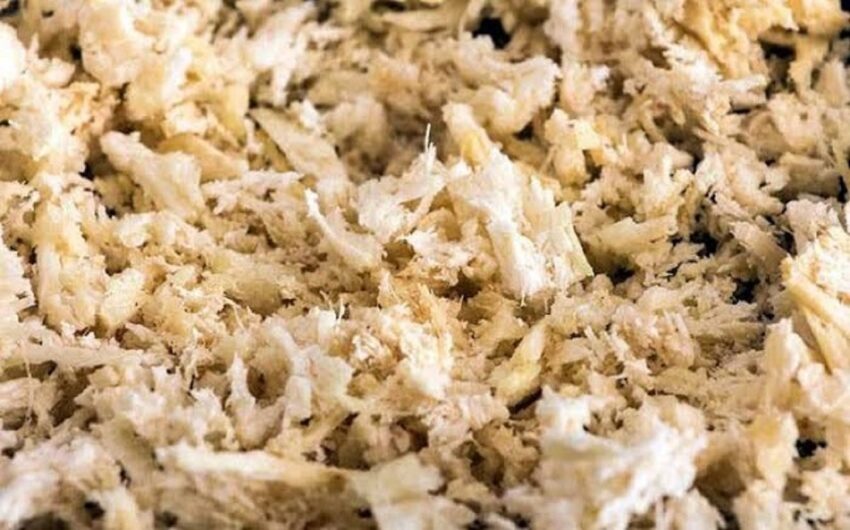
The Bagasse Pulp Price Trend has been showing a steady upward direction, with prices increasing as demand remains healthy across several end-use industries. The movement is not coming from one single factor. Instead, it reflects a combination of firm consumption, raw material availability, production costs, shipment conditions, and cautious buying behavior. For buyers and procurement teams, understanding these everyday market factors can make it easier to plan purchases and avoid paying more than necessary.
Understanding the Current Bagasse Pulp Market
Bagasse pulp is made from sugarcane residue, commonly known as bagasse. Since it uses an agricultural by-product as its raw material, its market behaves somewhat differently from traditional wood-based pulp. However, it is still affected by supply, demand, transportation, energy costs, and production conditions.
The current market picture suggests that bagasse pulp prices have remained positive across important Asian markets. Demand from packaging, food-related applications, consumer products, and other paper-based industries has provided a stable foundation for the market.
One interesting point is that demand has remained healthy even though some seasonal buying activity has become less intense. This means the market is not depending entirely on short-term seasonal purchasing. Regular consumption is continuing to provide support.
Why Bagasse Pulp Prices Are Moving Higher
There are several reasons behind the recent increase in Bagasse Pulp Prices.
The first is demand. Packaging remains an important area for bagasse pulp because manufacturers and consumers are paying more attention to paper-based and fiber-based materials. Food and consumer product applications are also contributing to steady consumption.
Another factor is raw material availability. Bagasse depends on sugarcane processing activity. When crushing activity changes because of seasonal conditions, the availability of suitable bagasse can also change. A tighter supply of raw material can increase production costs and eventually influence finished pulp prices.
Production expenses are another important part of the picture. Energy, labor, processing, transportation, and other operating costs can all affect the final price. Even when demand remains unchanged, higher production costs can place upward pressure on market prices.
The market has also been supported by disciplined supply management. Producers have generally avoided creating excessive inventories, while shipment volumes have remained reasonably balanced with demand.
👉 👉 👉 Please submit your query to get Bagasse Pulp price trend forecast, and market price analysis: https://www.price-watch.ai/book-a-demo/
China Market and Export Availability
China continues to be an important part of the regional bagasse pulp trade. The available market information indicates that exported bagasse pulp prices have maintained an upward direction.
The Chinese market is influenced by both domestic consumption and export demand. When downstream industries maintain regular purchasing, suppliers have greater confidence in keeping prices firm.
At the same time, supply-side changes can affect the market quickly. Adjustments in sugarcane crushing activity may influence the availability and cost of raw material. If raw material becomes slightly harder to source, producers may face higher input costs.
For international buyers, export availability is equally important. Stable shipments can prevent major shortages, but stronger buying interest can still push prices higher when supply does not increase at the same speed.
Indonesia: A Market Showing Continued Strength
Indonesia has also shown a positive direction in bagasse pulp pricing. The market has been supported by demand from packaging, food, and consumer-related sectors.
One important feature of the Indonesian market is that purchasing has remained relatively consistent. Instead of large, sudden buying waves, many buyers appear to be following regular procurement patterns.
This type of demand can be helpful for suppliers because it provides greater visibility. For buyers, however, it also means that waiting too long for a major price drop may not always be the best strategy.
The market has also been affected by changes in raw material availability and production costs. As supply conditions tighten slightly, producers may need to maintain firmer pricing to protect margins.
Vietnam and Import Market Conditions
Vietnam is another market worth watching when studying the Bagasse Pulp Price Trend.
Import prices have shown an upward movement, supported by continued demand from packaging, food, and consumer product industries. Buyers in the country are maintaining regular procurement, while suppliers are continuing to manage shipments carefully.
Import markets can be particularly sensitive to freight costs. Even when the basic pulp price does not change significantly, higher shipping expenses can increase the landed cost for buyers.
For this reason, buyers should not look at the pulp price alone. Freight, insurance, currency movements, port conditions, and delivery terms can all change the final purchase cost.
The Role of Seasonal Supply
Seasonality is one of the most important factors in the bagasse pulp market.
Because bagasse comes from sugarcane processing, production cycles naturally affect availability. During periods of active crushing, raw material availability can improve. After the season slows down, suppliers may face tighter availability.
When the market moves into a period of lower raw material availability, producers may become more cautious with production and inventory.
This is one reason why buyers should pay attention not only to current prices but also to the timing of future purchases.
A buyer who understands the supply cycle can potentially plan purchases earlier and reduce the risk of having to buy during a tighter market.
Demand From Packaging and Consumer Industries
Packaging continues to be one of the major demand drivers for pulp-based materials.
The growth of paper-based packaging has created a wider market for different types of pulp. Food packaging, consumer packaging, and other fiber-based applications can all influence purchasing activity.
The important point is that demand does not have to rise sharply for prices to increase. If supply remains controlled while demand stays steady, the market can still gradually move higher.
This is what makes the current market interesting. The upward movement appears to be supported by stable fundamentals rather than only temporary buying activity.
Understanding a Bagasse Pulp Price Chart
A Bagasse Pulp Price Chart is useful for buyers who want to understand how the market has behaved over time.
Instead of looking at one price quotation, a chart helps show the direction of the market. Buyers can look for several patterns, including:
- Continuous upward movement
- Short periods of price correction
- Seasonal changes
- Stable periods
- Sudden increases caused by supply disruptions
- Differences between export and import markets
A price chart becomes more useful when it is reviewed together with supply and demand information. A rising line by itself does not explain why prices are moving. Buyers need to connect the price movement with raw material conditions, production costs, demand, and freight.
What the Bagasse Pulp Price Index Can Tell Buyers
The Bagasse Pulp Price Index can provide another useful reference point for understanding broader market direction.
An index is particularly helpful when individual quotations vary between regions or suppliers. Instead of focusing on one transaction, buyers can use an index to understand whether the overall market is becoming stronger, weaker, or relatively stable.
For procurement teams, this can support better budgeting. If the index is showing a consistent upward movement, buyers may consider reviewing purchasing schedules and inventory levels.
However, an index should be treated as a market indicator rather than the exact price for every transaction. Actual prices can vary depending on grade, quality, delivery location, quantity, payment terms, and freight arrangements.
Why Procurement Planning Matters
When pulp prices are rising gradually, procurement planning becomes more important.
Buying everything at once can create unnecessary inventory costs. On the other hand, waiting too long can expose a buyer to higher prices.
A balanced approach is often more practical. Buyers can divide purchases into smaller quantities and monitor market conditions regularly.
This approach provides flexibility. If prices continue rising, some required material has already been secured. If prices later soften, the buyer still has an opportunity to purchase additional quantities at better levels.
What Could Push Prices Higher?
Several factors could continue supporting prices.
A tighter supply of bagasse could increase raw material costs. Strong packaging demand could also encourage suppliers to maintain firm prices. Higher energy and transportation expenses may add further pressure.
Another factor is export availability. If suppliers prioritize existing customers or if shipment volumes become tighter, international buyers could face higher offers.
Changes in freight costs are also important. Since bagasse pulp is traded across borders, shipping expenses can quickly influence the landed price.
What Could Bring Some Price Relief?
Price increases are not always permanent.
If raw material availability improves and production becomes more comfortable, suppliers may have greater flexibility. Higher production volumes could also reduce supply pressure.
Similarly, if downstream buyers become more cautious because prices have increased too much, purchasing activity could slow. A period of slower demand may encourage suppliers to become more competitive.
Lower freight or energy costs could also provide some relief.
Therefore, buyers should not assume that every upward movement will continue indefinitely.
What Buyers Should Watch Going Forward
Anyone purchasing bagasse pulp should keep an eye on a few practical indicators.
First, watch raw material availability. Changes in sugarcane crushing activity can influence supply.
Second, monitor packaging demand. Stronger downstream orders can support higher pulp consumption.
Third, follow production costs. Energy, transportation, and processing expenses can quickly affect supplier offers.
Fourth, watch export and import activity. A change in international shipment volumes can indicate whether supply is becoming tighter or more comfortable.
Finally, keep checking the Bagasse Pulp Price Chart and Bagasse Pulp Price Index rather than relying on a single quotation.
Regional Differences Matter
Prices do not move exactly the same way in every country.
China may respond more strongly to export demand and domestic industrial activity. Indonesia can be influenced by domestic packaging consumption and import requirements. Vietnam may be more sensitive to international freight and import availability.
This means buyers should compare local market conditions rather than assuming that one country’s price movement will immediately appear everywhere else.
For international procurement, this regional comparison can be especially valuable. A small difference in freight or supply availability may create a meaningful difference in the final landed cost.
👉 👉 👉 Please submit your query to get Bagasse Pulp price trend forecast, and market price analysis: https://www.price-watch.ai/book-a-demo/
A Practical View of the Market
From a normal buyer’s perspective, the current market can be described as firm but not necessarily overheated.
Demand is providing support, while supply remains reasonably controlled. Producers are managing shipments carefully, and buyers are continuing to purchase according to actual requirements.
The biggest risk would come from a sudden change in raw material availability or a stronger-than-expected increase in demand. On the other hand, improved supply and slower downstream purchasing could reduce upward pressure.
This balance is important because it suggests that market participants should remain attentive rather than make decisions based only on short-term price changes.
The Bagasse Pulp Price Trend is currently showing a firm upward direction, supported by stable demand, controlled supply, raw material conditions, and production-related costs. Packaging, food-related applications, and consumer industries continue to provide a healthy demand base, while seasonal sugarcane processing can influence the availability of raw material.
For buyers, the most sensible approach is to monitor the market regularly and avoid relying on a single price quotation. The Bagasse Pulp Prices, Bagasse Pulp Price Chart, and Bagasse Pulp Price Index can all provide useful signals when combined with information about supply, demand, freight, and production costs.
The market may continue to remain firm as long as demand stays healthy and supply remains disciplined. At the same time, improved raw material availability or weaker purchasing could create opportunities for price relief. For procurement teams, staying informed and planning purchases carefully will remain the best way to manage changing bagasse pulp costs.
About Price-Watch™
Price-Watch AI is an India-based, independent raw material price reporting agency that provides real-time price forecasts and data-driven insights into global raw material markets. Price-Watch AI specializes in tracking raw material prices, analyzing market trends, and delivering timely updates on plant shutdowns, supply disruptions, capacity expansions, and demand-supply dynamics. The Price-Watch AI platform empowers manufacturers, traders, and procurement professionals to make faster, smarter decisions. Leveraging AI-powered forecasting and over a decade of historical data, Price-Watch AI transforms market volatility into actionable opportunity.
Futura Tech Park,
C Block, 8th floor 334,
Old Mahabalipuram Road,
Sholinganallur, Chennai, Tamil Nadu, Pincode – 600119.
𝐋𝐢𝐧𝐤𝐞𝐝𝐈𝐧: https://www.linkedin.com/company/price-watch-ai/
𝐅𝐚𝐜𝐞𝐛𝐨𝐨𝐤: https://www.facebook.com/people/Price-Watch/61568490385598/
𝐓𝐰𝐢𝐭𝐭𝐞𝐫: https://x.com/pricewatchai
𝐖𝐞𝐛𝐬𝐢𝐭𝐞: https://www.price-watch.ai/