
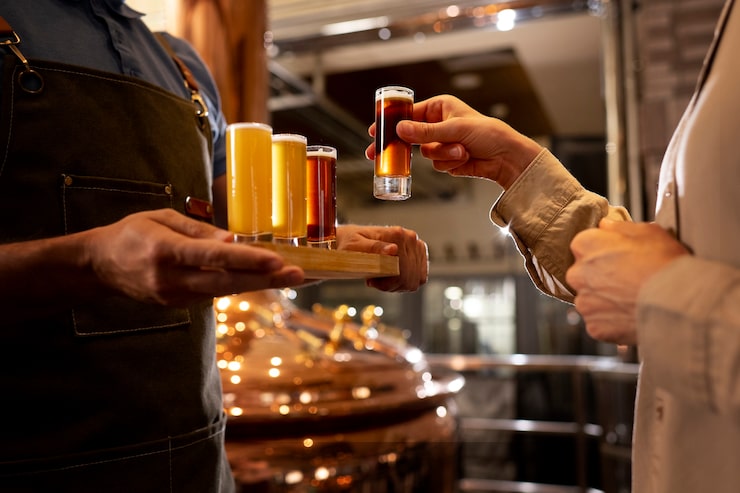
Beer is one of China’s most widely consumed alcoholic beverages, supported by an extensive brewing industry, established distribution networks, and strong consumer familiarity. The category includes lager, dark beer, stout, non- and low-alcohol beer, and specialty products, with consumption spanning restaurants, bars, retail stores, convenience outlets, and social occasions. Changing preferences are increasingly shifting attention from volume-oriented consumption toward premium, craft, specialty, and lower-alcohol products.
The China beer industry study highlights evolving consumer preferences, premiumization, rising disposable incomes, craft and imported beer demand, product innovation, and growing interest in premium and low-alcohol options as important factors influencing industry development. The China beer industry was valued at approximately USD 108.52 billion in 2025 and is projected to reach USD 115.32 billion by 2032, registering a CAGR of around 0.87% during 2026–2032. The relatively moderate growth reflects a mature consumption environment in which value creation and product differentiation are becoming increasingly important.
Premiumization Reshapes Consumer Preferences
Premiumization is becoming one of the most important trends in China’s beer industry. Consumers are increasingly willing to pay for products offering distinctive flavors, higher perceived quality, imported origins, specialty brewing techniques, and premium packaging.
This transition is particularly visible among younger urban consumers, who are exploring beer as part of broader lifestyle and social experiences rather than treating it solely as an inexpensive alcoholic beverage.
Brewers are responding by expanding premium portfolios, introducing specialty products, and investing in branding designed to differentiate products within an increasingly sophisticated beverage environment.
Lager Maintains Strong Consumer Preference
Lager continues to account for the dominant share of China’s beer consumption. Its relatively mild flavor, refreshing characteristics, and broad familiarity make it suitable for both casual and social consumption.
Standard lager remains widely available across supermarkets, convenience stores, restaurants, bars, and other retail and foodservice outlets.
At the same time, manufacturers are developing premium lager variants that offer improved ingredients, distinctive brewing profiles, and upgraded packaging to encourage consumers to trade up from economy products.
Low-Alcohol Beer Gains Attention
Growing awareness of moderation is creating opportunities for low- and non-alcoholic beer. Consumers who want to reduce alcohol intake without completely abandoning beer are increasingly interested in alternatives that retain familiar flavors and social characteristics.
The MarkNtel Advisors study identifies premium and low-alcohol beer options among the factors shaping China’s future industry development.
Brewers are therefore investing in technologies that can preserve aroma, mouthfeel, and taste while lowering alcohol content. These products can appeal to health-conscious consumers and individuals seeking greater flexibility across different consumption occasions.
Craft Beer Creates Differentiation
Craft beer represents an important opportunity for manufacturers seeking to differentiate their portfolios. Consumers interested in unique flavors and brewing techniques are encouraging the development of ales, wheat beers, stouts, and other specialty varieties.
Craft breweries can compete through local ingredients, limited-edition releases, seasonal products, and distinctive brewing identities.
The expansion of specialty beer also creates opportunities for bars, restaurants, and specialty retailers to develop curated beverage menus and tasting experiences.
Rising Disposable Income Supports Premium Products
Increasing disposable income is supporting greater willingness to spend on premium alcoholic beverages. Consumers with higher purchasing power can be more receptive to imported beers, specialty products, premium packaging, and craft offerings.
The trend is particularly relevant in major urban centers where consumers have greater exposure to international brands and lifestyle-oriented food and beverage concepts.
Premiumization can therefore help manufacturers generate greater value even when overall beer consumption volumes experience limited growth.
Changing Consumption Habits Influence Demand
China’s beer industry is experiencing changes in consumption habits as consumers become more selective about alcoholic beverages.
Rather than focusing exclusively on quantity, some consumers are increasingly evaluating taste, quality, provenance, packaging, alcohol content, and the overall experience associated with a product.
This is encouraging brewers to segment their portfolios more carefully and create products for different occasions, including casual dining, social gatherings, nightlife, gifting, and home consumption.
Foodservice Supports Beer Consumption
Bars, restaurants, pubs, hotels, and other on-trade establishments remain important sales channels. Beer is closely associated with social dining and entertainment, particularly in urban areas.
Premium and specialty beers can benefit from foodservice because restaurants and bars can use them as part of curated menus and pairing experiences.
The expansion of modern hospitality venues can therefore provide opportunities for international and domestic brewers to introduce new products and strengthen consumer awareness.
Off-Trade Channels Provide Broad Accessibility
Supermarkets, convenience stores, specialty retailers, and other off-trade channels provide consumers with broad access to beer products.
Retailers can support product differentiation through dedicated premium sections, promotions, multipacks, seasonal displays, and imported-beer selections.
Online retail is also becoming relevant as consumers increasingly use digital platforms to discover and purchase beverages. Digital channels can provide smaller and specialty breweries with opportunities to reach consumers outside traditional retail networks.
Product Innovation Strengthens Competition
Innovation is increasingly important as manufacturers seek to maintain consumer interest in a mature industry. New flavors, packaging formats, alcohol levels, brewing techniques, and limited-edition products can help companies create differentiation.
Brewers are also exploring products that combine beer with fruit flavors and other ingredients to appeal to consumers interested in alternative sensory experiences.
Packaging innovation can similarly improve convenience and premium positioning through cans, bottles, multipacks, and visually distinctive designs.
Health Awareness Encourages Moderation
Health consciousness is influencing alcoholic-beverage consumption in China. Consumers are increasingly aware of the relationship between alcohol intake and health, encouraging some individuals to reduce consumption or choose lower-alcohol products.
The World Health Organization’s alcohol information highlights the health risks associated with alcohol consumption and emphasizes that reducing alcohol use can lower related health risks.
This broader awareness can create opportunities for brewers developing low-alcohol and non-alcoholic alternatives while encouraging responsible consumption.
Leading Companies Strengthen Competition
China’s beer industry includes several major domestic and international companies with extensive production and distribution networks.
Leading players identified in the MarkNtel Advisors study include China Resources Snow Breweries, Tsingtao Brewery, Anheuser-Busch InBev, and Carlsberg Group.
These companies compete through broad brand portfolios, distribution reach, product innovation, premium offerings, and investments in consumer engagement.
Competitive Landscape
Competition is shaped by brand recognition, pricing, distribution networks, product quality, premiumization, brewing capabilities, packaging, and innovation.
Established brewers benefit from extensive retail and foodservice networks, while craft and specialty producers can differentiate through localized products, unique flavors, and smaller-batch positioning.
The increasing importance of premium and low-alcohol products is also encouraging established companies to diversify their portfolios.
Conclusion
China’s beer industry is evolving through premiumization, craft brewing, low-alcohol innovation, rising disposable income, changing consumer preferences, and broader product differentiation.
Lager continues to provide the foundation of consumption, while premium lager, specialty beer, craft products, and low- and non-alcoholic alternatives are creating new opportunities. Foodservice remains important for social consumption, while supermarkets, convenience stores, specialty retailers, and digital channels provide extensive product accessibility.
At the same time, mature consumption patterns, health awareness, and changing attitudes toward alcohol can limit volume expansion. Companies that combine premium quality, distinctive flavors, responsible product development, strong distribution, innovative packaging, and low-alcohol alternatives can strengthen their position as Chinese consumers increasingly prioritize quality and experience over volume.