
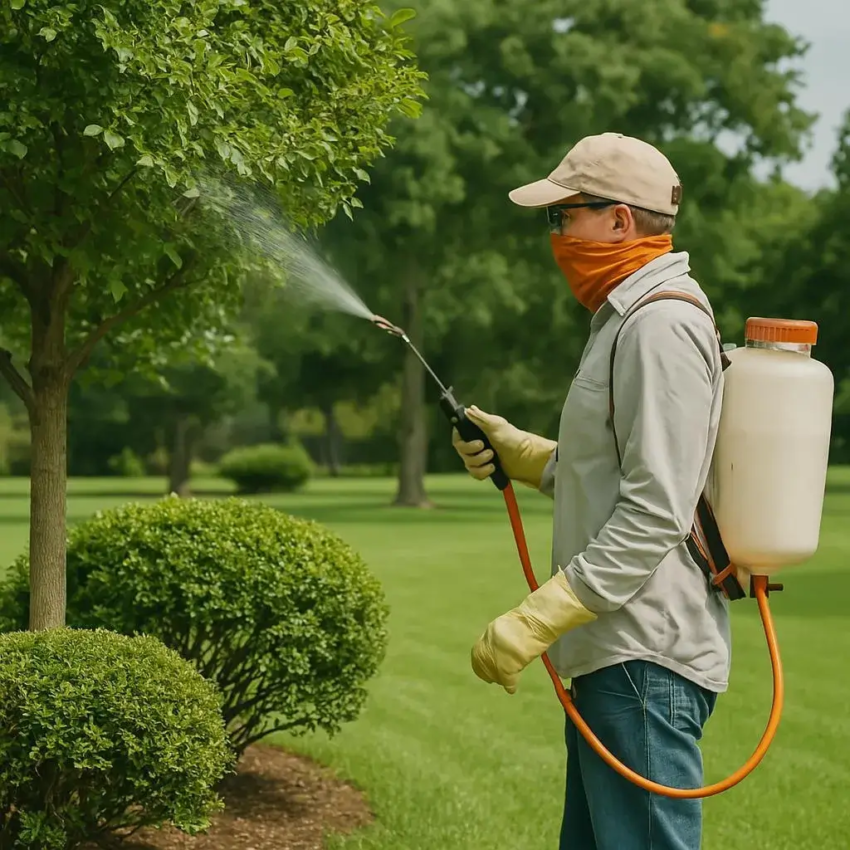
Healthy trees and shrubs can add shade, color, privacy, and beauty to any Florida property. However, the state’s heat, humidity, heavy rain, and changing weather can create several challenges for landscape plants. Tree and Shrub Care in Manatee County can help homeowners understand these challenges and give their plants the attention they need to stay healthy.
Pests, diseases, poor watering, nutrient problems, and weather stress may not always be easy to notice at first. Learning the common warning signs can help homeowners spot problems earlier and take better care of their landscapes.
Watch for Changes in Leaves and Foliage
Leaves are often one of the first places where homeowners can notice that something may be wrong. Healthy foliage should have a normal color and appearance for the plant. Sudden changes can be a sign of stress.
Common warning signs include:
- Yellowing or fading leaves
- Brown or dry edges
- Dark spots
- Curling leaves
- Small holes
- Early leaf drop
- Thin or weak foliage
These symptoms can have several causes. Too much water, not enough water, insects, disease, or nutrient problems may all affect leaves.
Instead of assuming one symptom has one cause, homeowners should look at the plant and its surroundings. Soil, weather, sunlight, and recent maintenance can all provide useful clues.
Look Out for Insect and Disease Problems
Florida’s warm and humid climate can create favorable conditions for insects and plant diseases. Some pests feed on leaves, while others may affect stems, branches, or roots. Diseases can also develop when plants experience excess moisture or other forms of stress.
Homeowners should watch for:
- Insects on leaves or stems
- Small holes in foliage
- Sticky material on leaves
- Webbing around branches
- Leaf spots or unusual discoloration
- Branch dieback
- Weak growth
- Premature leaf loss
Checking plants regularly can help homeowners notice these warning signs early. It is also helpful to look underneath leaves because some pests are difficult to see from above.
Disease symptoms can sometimes look similar to insect damage or environmental stress. Because of this, treating a plant without understanding the cause may not solve the problem. Poor air movement, excess moisture, damaged branches, and overwatering can also contribute to plant health concerns.
Check Watering, Soil, and Nutrient Needs
Trees and shrubs need water and nutrients to grow, but too much or too little can create stress. During hot and dry periods, plants may not receive enough moisture. Excessive watering can also cause problems when soil stays wet for long periods.
Homeowners can look for signs such as:
- Dry or cracked soil
- Wilting leaves
- Standing water
- Soil that remains wet
- Uneven plant growth
- Pale leaves
- Weak or slow growth
Watering needs can vary based on the plant, soil, weather, and location. Instead of following the same schedule throughout the year, homeowners should adjust watering based on current conditions.
Soil quality also plays an important role. A soil test can provide useful information about nutrient levels and help homeowners make better decisions about fertilization. Adding fertilizer without understanding what a plant needs may not solve the problem and can sometimes create additional concerns.
Use Care When Pruning and Adjusting Seasonal Care
Pruning and seasonal maintenance both play an important role in keeping trees and shrubs healthy. While pruning helps maintain plant structure, seasonal care focuses on changing the maintenance routine as Florida’s weather changes.
|
Pruning Care |
Seasonal Care |
|
Remove dead or damaged growth. |
Monitor watering during hot, dry periods. |
|
Use clean and suitable tools. |
Check drainage after heavy rainfall. |
|
Avoid unnecessary heavy pruning. |
Watch for increased pest activity. |
|
Follow the plant’s natural shape. |
Look for signs of disease during humid conditions. |
|
Prune at an appropriate time for the plant. |
Check plants for weather-related damage. |
Improper pruning can stress plants and create wounds that may leave them more vulnerable to pests and diseases. Seasonal conditions can also affect plant health, with Florida’s heat increasing water stress and heavy rainfall creating excess moisture.
When Should You Consider Professional Care?
Some plant problems are easy to recognize, while others can be difficult to identify. A brown leaf, for example, may result from insects, disease, poor watering, nutrient problems, or weather stress.
Using the wrong treatment may waste time and money without addressing the real cause.
Professional Tree and Shrub Care in Manatee County can give homeowners a closer look at their landscape. Regular evaluations can help identify changes in plant health and determine whether additional care may be needed.
Professional support can be especially useful when:
- A plant problem keeps returning.
- Several plants show similar symptoms.
- Trees or shrubs have significant damage.
- Pest activity continues to increase.
- Plants are declining without a clear reason.
- You are unsure which treatment is appropriate.
Addressing concerns early may help prevent a small problem from becoming a larger landscape issue.
Make Regular Plant Care a Habit
Healthy trees and shrubs need consistent attention. Regular inspections can help homeowners notice changes before they become serious.
Homeowners looking for shrub care Tampa Bay can start with a simple routine that includes:
- Checking plants for unusual changes.
- Looking for insects or leaf damage.
- Monitoring soil moisture.
- Removing dead or damaged growth when appropriate.
- Watching for signs of disease.
- Adjusting care as weather changes.
- Seeking professional advice when problems are difficult to identify.
A consistent routine can support healthier plants while keeping the landscape attractive throughout the year.
Final Thoughts
Trees and shrubs can be a valuable part of any Florida landscape, but they need proper care to remain healthy. Insects, diseases, watering problems, nutrient deficiencies, weather stress, and improper pruning can all affect plant health.
By inspecting plants regularly and adjusting care to local conditions, homeowners can identify concerns earlier and support stronger growth. Consistent attention can help protect trees and shrubs while keeping outdoor spaces attractive through Florida’s changing seasons.