
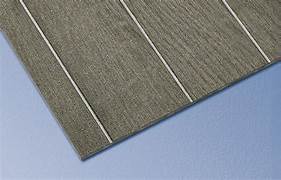
Interior materials play an important role in the comfort, durability, and environmental quality of residential and commercial spaces. Low VOC panel materials are increasingly considered for projects where designers and property owners want to reduce the release of volatile organic compounds (VOCs) into indoor environments. These panels can be used for furniture, wall applications, cabinetry, partitions, wardrobes, and other interior elements while supporting a cleaner and more comfortable indoor atmosphere.
Material selection should always be based on the application, expected performance, maintenance requirements, and indoor environmental goals. The considerations discussed in Best Materials for Modular Kitchen Cabinets Explained are also relevant when choosing panel materials, as factors such as durability, moisture resistance, surface finish, strength, and suitability for the intended application should be evaluated before installation.
What Are Low VOC Panel Materials?
Low VOC panel materials are engineered or finished panels designed to emit lower levels of volatile organic compounds compared with conventional alternatives. VOCs can be released from certain adhesives, coatings, resins, paints, and composite materials.
Lower-emission panels can be particularly useful in enclosed interior environments where occupants spend significant amounts of time. They can be incorporated into various interior applications without compromising design flexibility.
Applications of Low VOC Panels
These panels can be used across residential, commercial, hospitality, retail, and institutional interiors. Common applications include kitchen cabinets, wardrobes, wall panels, office furniture, partitions, shelving, reception counters, and built-in storage.
Their versatility allows designers to create coordinated interiors while considering indoor environmental quality alongside appearance and functionality.
Low VOC Kitchen Cabinetry
Kitchens contain extensive cabinetry, making material selection particularly important. Low-emission panels can be considered for cabinet carcasses, shutters, shelves, and other components.
Because kitchens are exposed to moisture, heat, stains, and frequent cleaning, the selected panel should also provide appropriate durability and resistance for the specific application.
Healthier Indoor Environments
Indoor air quality is influenced by ventilation, furnishings, finishes, adhesives, and building materials. Choosing lower-emission products can help reduce potential sources of VOCs within an interior.
Low VOC panels can therefore be considered as part of a broader approach to creating comfortable indoor environments. Proper ventilation and careful selection of other finishes remain important as well.
Material Quality and Performance
Low VOC characteristics should not be considered in isolation. Panels must also meet the functional requirements of the project.
Strength, dimensional stability, moisture resistance, surface durability, fire performance where applicable, and ease of maintenance should all be evaluated. A panel that has low emissions but is unsuitable for its intended application may not provide an effective long-term solution.
Surface Finishes and Adhesives
VOC emissions can originate not only from the core panel but also from coatings, laminates, adhesives, sealants, and finishing products used during installation.
For this reason, a comprehensive material specification should consider the entire assembly. Selecting compatible lower-emission adhesives and finishes can further support the project’s indoor environmental objectives.
Sustainable Interior Design
Low-emission materials can form part of a broader sustainable interior strategy. Designers may combine them with responsibly selected materials, efficient lighting, durable furniture, natural daylight, and effective ventilation.
Choosing long-lasting materials can also reduce the frequency of replacement and associated resource consumption over the life of an interior.
Low VOC Panels for Offices
Offices often contain significant quantities of furniture, cabinetry, partitions, and workstation components. Using lower-emission panels in these applications can support efforts to create more comfortable workplace environments.
Reception counters, storage cabinets, workstations, conference furniture, and wall panels can all potentially incorporate suitable low VOC materials.
Low VOC Panels for Educational and Healthcare Spaces
Schools, colleges, clinics, and healthcare facilities require careful consideration of indoor environments because they are occupied by large numbers of people.
Low-emission materials can be considered for cabinetry, partitions, furniture, wall panels, and storage systems, provided they meet the relevant performance and safety requirements for the specific application.
Choosing the Right Panel Material
When selecting low VOC panel materials, buyers should review the manufacturer’s technical information and applicable emissions certifications or testing documentation rather than relying solely on marketing claims.
The panel’s core material, adhesives, surface treatment, intended application, durability, maintenance requirements, and installation products should all be evaluated. Professional designers and manufacturers can help match material specifications with project requirements.
Professional Manufacturing and Installation
Proper manufacturing and installation are essential for achieving the intended performance of panel systems. Accurate cutting, appropriate edge treatment, correct hardware, and suitable adhesives can contribute to a durable finished installation.
Installation teams should also follow manufacturer recommendations regarding handling, ventilation, fixing methods, and finishing products.
Conclusion
Low VOC panel materials provide an option for projects that place greater emphasis on indoor environmental quality and lower-emission interior products. They can be incorporated into kitchens, wardrobes, furniture, wall panels, partitions, offices, hospitality spaces, educational facilities, and other applications.
By considering the principles outlined in Best Materials for Modular Kitchen Cabinets Explained, designers and property owners can evaluate panels based on more than appearance alone. Strength, moisture resistance, durability, maintenance, emissions, finishes, adhesives, and application requirements should all be considered to create interiors that are functional, attractive, and thoughtfully specified.