
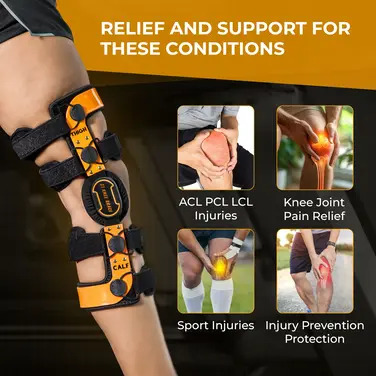
A ligament knee brace is designed to provide additional support and stability when one or more ligaments in the knee are injured, weakened, or recovering after treatment or surgery. From ACL and MCL injuries to PCL and LCL problems, the right brace may help control unwanted movement and provide confidence during daily activities or sports.
What Is a Ligament Knee Brace?
The knee is one of the most complex and heavily used joints in the body. It depends on several ligaments to control movement and keep the joint stable. When one of these ligaments is stretched, partially torn, or completely torn, the knee may feel unstable, weak, or as if it could give way.
A ligament knee brace is designed to provide external support to the knee. Depending on its design, it may use straps, compression materials, hinges, or a rigid frame to help control excessive movement and support the injured area.
These braces are commonly considered for ligament-related problems involving the:
- ACL or Anterior Cruciate Ligament
- MCL or Medial Collateral Ligament
- LCL or Lateral Collateral Ligament
- PCL or Posterior Cruciate Ligament
The level of support required can vary significantly depending on the type and severity of the injury.
Why Are Knee Ligaments Important?
Ligaments are strong bands of connective tissue that connect bones and help control how the knee moves. They play an important role in preventing excessive forward, backward, or side-to-side movement.
When a ligament is injured, a person may experience:
- Knee instability
- Pain during movement
- Swelling
- Difficulty walking or climbing stairs
- A feeling that the knee is giving way
- Reduced confidence during sports or physical activity
A knee brace cannot magically repair a torn ligament, but it may provide mechanical support and help manage movement during rehabilitation or activity when recommended by a healthcare professional.
Types of Ligament Injuries
ACL Injury
The ACL is one of the most commonly injured knee ligaments, particularly in sports involving sudden changes in direction, jumping, or pivoting.
An ACL injury can make the knee feel unstable during activities that involve twisting or rapid movement. A hinged ligament knee brace may be used in some situations to provide additional support and help control knee motion.
MCL Injury
The MCL is located on the inner side of the knee. It may be injured when force pushes the knee inward or when the outer side of the knee experiences a direct impact.
Depending on the severity of the injury, a brace may help support the medial side of the knee and reduce excessive side-to-side movement.
LCL Injury
The LCL is located on the outer side of the knee and helps stabilize that side of the joint. LCL injuries can occur due to trauma, sports injuries, or significant force applied to the inside of the knee.
A supportive brace may help provide additional stability during the recovery process.
PCL Injury
The PCL helps control the backward movement of the shinbone in relation to the thighbone. PCL injuries can occur from direct impact, falls, or certain sports injuries.
The type of support needed for a PCL injury can be different from other ligament injuries, so professional evaluation is especially important when choosing a brace.
How Does a Ligament Knee Brace Work?
A ligament knee brace generally works by providing external support around the knee joint.
Depending on the design, it may help by:
Providing Medial and Lateral Stability
Side supports or hinges can help control excessive movement from side to side.
Supporting Controlled Movement
A hinged brace allows the knee to bend and straighten while providing a structured level of support.
Increasing Confidence During Activity
After a knee injury, some people become hesitant to walk, exercise, or return to sports. Wearing an appropriate brace may provide a greater sense of stability and confidence.
Supporting Rehabilitation
A brace may be used as one component of a broader recovery plan that could include rest, physical therapy, strengthening exercises, and medical treatment.
Types of Ligament Knee Braces
Compression Knee Sleeve
A compression sleeve provides relatively mild support. It may be suitable for minor discomfort or when a person wants light compression during daily activities.
However, a simple sleeve may not provide enough stability for significant ligament injuries.
Strap-Based Knee Brace
These braces use adjustable straps to improve fit and provide a moderate level of support. They may be useful when adjustable compression is needed.
Hinged Ligament Knee Brace
A hinged knee brace includes support structures on one or both sides of the knee. This design can provide a higher level of stability than a basic sleeve.
It may be considered for ligament injuries where controlling side-to-side movement is important.
Rigid or Functional Knee Brace
Rigid or functional braces generally offer a higher level of support. Some designs use strong frames and adjustable straps to stabilize the knee during movement.
These braces may be considered for serious ligament instability, recovery after injury, or return-to-activity situations under professional guidance.
Who May Benefit from a Ligament Knee Brace?
A ligament knee brace may be considered by people experiencing:
- ACL-related instability
- MCL or LCL injuries
- PCL-related problems
- Knee instability after a sports injury
- Recovery following certain knee procedures
- Weakness or instability during physical activity
- Difficulty returning to sports after rehabilitation
However, the same brace is not suitable for every person or injury. The correct choice depends on the affected ligament, severity of the injury, activity level, knee anatomy, and medical advice.
Choosing the Right Ligament Knee Brace
1. Consider the Type of Ligament Injury
An ACL injury and an MCL injury do not necessarily require the same type of support. Understanding the specific problem is the first step toward choosing an appropriate brace.
2. Choose the Right Support Level
Ask yourself how much stability you actually need.
A person walking during normal daily activities may have different needs from an athlete returning to a high-impact sport.
In general, options may range from:
- Mild support
- Moderate support
- High support
- Rigid or functional stabilization
More support is not automatically better. An unnecessarily bulky brace may affect comfort and movement.
3. Look for a Secure and Adjustable Fit
A ligament knee brace should remain securely positioned during movement.
Features that may improve fit include:
- Adjustable straps
- Multiple points of adjustment
- Anatomical design
- Anti-slip materials
- Proper sizing options
A poorly fitted brace can slide, bunch up, or provide support in the wrong position.
4. Consider Hinges
For people who require additional stability, hinges can be an important feature.
Hinged designs may help guide movement while providing structural support on the sides of the knee.
5. Think About Your Lifestyle
The best ligament knee brace should fit your actual lifestyle.
For example:
- Office workers may prioritize comfort during long periods of sitting and walking.
- Active individuals may need a balance between mobility and support.
- Athletes may require a more specialized level of stabilization.
- Post-injury users may need a brace recommended specifically for their stage of recovery.
How to Get the Right Fit
A brace that is too loose may move around and provide inconsistent support. A brace that is too tight may cause discomfort or interfere with circulation.
Before purchasing a ligament knee brace:
- Measure your leg according to the manufacturer’s sizing instructions.
- Compare your measurements with the size chart.
- Position the brace correctly around the knee joint.
- Adjust the straps so the brace feels secure but comfortable.
- Walk and bend the knee carefully to check whether the brace stays in place.
If you experience numbness, tingling, significant discomfort, or unusual swelling, loosen or remove the brace and seek medical guidance.
Can You Wear a Ligament Knee Brace During Sports?
Some ligament braces are specifically designed for physical activity and sports. However, whether you should wear one during sports depends on your injury, stage of recovery, strength, stability, and guidance from your doctor or physical therapist.
A brace should not be viewed as permission to return to intense activity before the knee is ready.
Successful recovery from a ligament injury often involves more than external support. Strengthening the muscles around the knee, improving balance, and following a structured rehabilitation plan can all play important roles.
Ligament Knee Brace vs Knee Sleeve
| Feature | Ligament Knee Brace | Basic Knee Sleeve |
|---|---|---|
| Level of support | Moderate to high, depending on design | Mild to moderate |
| Hinges | Available in many models | Usually not included |
| Side-to-side stability | Often stronger | Limited |
| Suitable for significant instability | May be appropriate depending on the injury | Usually limited |
| Everyday comfort | Depends on design | Usually lightweight and simple |
| Adjustability | Often includes straps | Usually less adjustable |
A knee sleeve may be enough for mild support needs, while a more structured ligament knee brace may be considered when additional stability is required.
How Long Should You Wear a Ligament Knee Brace?
There is no single answer.
The appropriate wearing time can depend on:
- The type of ligament involved
- Severity of the injury
- Whether surgery was performed
- Stage of rehabilitation
- Daily activity level
- Recommendations from a doctor or physical therapist
Some people may wear a brace mainly during activity, while others may need it during specific phases of recovery.
Always follow the guidance provided for your particular injury rather than using a brace continuously without professional advice.
Tips for Using a Ligament Knee Brace
To get the most from your brace:
- Wear the correct size.
- Position it properly around the knee.
- Adjust straps without overtightening them.
- Check your skin regularly for irritation.
- Keep the brace clean according to the manufacturer’s instructions.
- Inspect hinges, straps, and other components for wear.
- Follow your rehabilitation plan.
- Do not rely on the brace alone to restore strength or function.
When Should You See a Doctor?
A knee brace may provide support, but persistent or severe symptoms should be evaluated by a healthcare professional.
Seek medical attention if you experience:
- Severe knee pain
- Significant swelling
- Inability to bear weight
- A popping sensation followed by instability
- Repeated knee giving-way episodes
- Numbness or changes in sensation
- Symptoms that do not improve
Proper diagnosis is important because different knee conditions can produce similar symptoms.
Frequently Asked Questions
What is the best knee brace for ligament injuries?
The best option depends on which ligament is injured and how much instability is present. Mild injuries may require less support, while significant instability may require a more structured or hinged design.
Can a knee brace heal a torn ligament?
A knee brace does not directly heal a torn ligament. It may provide external support and stability as part of an overall treatment or rehabilitation plan.
Is a hinged knee brace good for ligament support?
A hinged knee brace can provide more structured support than a basic sleeve and may help control side-to-side movement. Its suitability depends on the specific injury.
Can I walk with a ligament injury?
Some people can walk with certain ligament injuries, while others may have significant pain or instability. The ability to walk does not necessarily indicate that the injury is minor.
Should I wear my ligament knee brace all day?
Not necessarily. The ideal duration depends on the injury and medical recommendations. Wearing a brace longer than necessary may not always be beneficial.
Can I exercise while wearing a ligament knee brace?
This depends on the type of injury and stage of recovery. A brace should not replace proper rehabilitation, strength training, or medical guidance.
Final Thoughts
A ligament knee brace can be a valuable support tool for people dealing with knee instability caused by ACL, MCL, LCL, or PCL problems. The right brace may help provide stability, support controlled movement, and increase confidence during everyday activities or rehabilitation.
However, choosing the correct brace is essential. Consider the specific ligament involved, severity of the injury, your activity level, required support, fit, and professional recommendations.
The goal should not simply be to find the strongest brace available. The best ligament knee brace is one that provides the right balance of stability, mobility, comfort, and fit for your individual needs.