
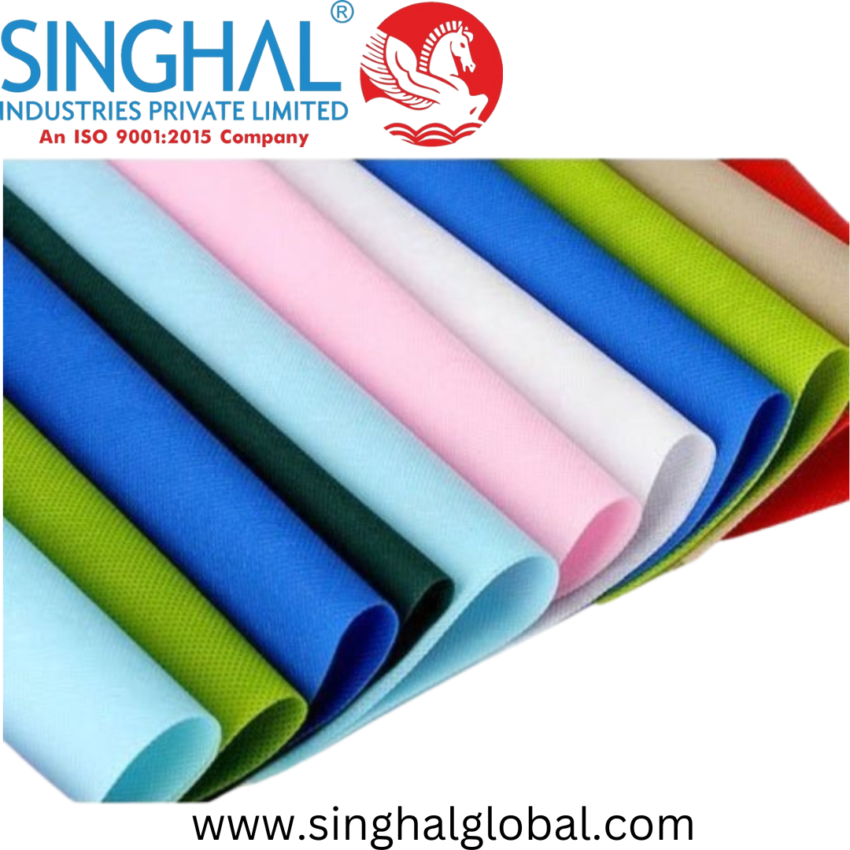
Scottish researchers note that much of modern manufacturing uses synthetic engineered materials that are uniquely tailored to achieve an optimized combination of structural strength, low density and cost. Across the broad range of plastic polymer-based products developing new supply chains around the world, Polypropylene Spunbond Nonwoven Fabric has become one of the primary raw materials influencing global Cotton Fiber. This material uses a quasi-continuous thermodynamic process in which melting polypropylene resin is extruded into micron-sized filaments produced by rapid casting, randomly arranged in web form and then thermal-bonded to provide a sheet with strength unlike traditional woven or knitted textiles. Engineers have designed a polyvinylidene difluoride (PVDF) that provides mechanical interlacing replaced with an innovative technique, resulting in a substrate with wide applicability from medical filtration to civil infrastructure. Polymer science is an ever-evolving field that continually pushes the functional limits of this amazing synthetic fiber.
Understanding the Fundamental Manufacturing Process
Polypropylene spunbond fabric is manufactured through a highly specialized process that consists of multiple thermo-mechanical stages. This starts by feeding raw granular polypropylene resin into an extruder that is heated. Polypropylene Spunbond Nonwoven Fabric Manufacturer it is moved through the extruder, polymer melts at controlled temperatures between two hundred and two-hundred and eighty degrees Celsius (this exact temperature depends on the raw material melt floor index). The liquid is drawn through a spinneret plate with thousands of tiny holes, creating thin perhaps continuous streams of molten plastic. Those streams emerge into air streams which cool them, mining and attenuating those down to ultra-fine filaments. An airstream at high velocity stretches these fibers and aligns their molecular structure in the longitudinal direction under stretch, increasing tensile strength before laying them on a continuous succession conveyor.
Fiber Deposition and Mechanical Bonding Mechanics
After traveling to the porous collector belt, those attenuated filaments coalesce into a haphazard carpet of continuous fibers. During this early stage, the web is structurally weak and immediate bonding is needed. Thermal calendar bonding used in the standard consolidation method is when an unbonded fiber mat thread passes between two heated steel rollers. One of the rollers is micro-embossed while the other is smooth. The thermal and mechanical force creates desired melting patterns at locations of contact where the polymer is melted together without glue. The completed fabric can also be consolidated with mechanical needle–punched or chemical bonding of the web to suit specialty heavy-duty applications, modifying the final density, porosity and flexibility.
Physical Properties and Structural Advantages
The structural techno-architecture of polypropylene spunbond networks provides a number of unique mechanical and chemical benefits over more traditional woven textiles and paper-based products. Polypropylene has a very low specific gravity of about 0.91 g/cm³ and this makes the resultant fabric very light while also being strong. Molecularly, polypropylene provides completely hydrophobic resistance retaining zero water and drying almost instantly. In addition, the material displays exceptional resistance to alkalis, acids and organic solvents, thus avoiding premature degradation when exposed to industrial chemicals. When it comes to very basic fabrics, tensile strength compares well to their weight ratio meaning that even the lightest fabrics are highly resistant against any tearing, poking and stress from physical assets for when they need to be deployed in operation.
Primary Industrial Applications in Healthcare and Hygiene
The hygiene and medical sectors stand for the biggest consumption of low basis weight spunbond products. Being non-toxic, hypoallergenic, and lint-free makes the textile a perfect raw material for disposable medical clothing such as surgical gowns, isolation drapes, caps, and face masks. The knit construction naturally allows moisture vapor to escape, while also creating a mechanical barrier against liquid splashes and microbial contaminants. When used in hygiene products like baby diapers, adult incontinence garments and sanitary napkins spunbond layers are acting as top sheets and back sheets. The outer layers of these absorbent products also keep liquid from touching and irritating human skin, while ensuring that the internal bulk material stays in place despite movement.
Civil Engineering and Geotextile Innovations
Spunbond nonwoven fabrics as soil stabilizer, filtration layer and drainage membranes in civil engineering and land development. Together, they are called geotextiles while heavy-duty forms of this material hold soil sub-bases of different types apart from one-another under roadways, railway tracks and foundation pads. Used between fine soil and coarse gravel, it allows water to flow through its pores while retaining sediment particles that could undermine or settle structures. But the material is also impervious to biological assaults from below, lasting decades in burial without decaying or being vulnerable to fungus or rot, even under weighty static loads.
Agricultural Protection and Crop Management
Farms and commercial agricultural operations employed UV-stabilized spunbond fabrics to boost yield, microclimate control, and reduced chemical pesticides. With delicate stems, the lightweight crop covers can just be thrown over the growing plants. These covers provide a physical barrier to insect pests, birds and certain weather conditions such as sudden frost or hail or heavy rain. Because it traps the radiant ground heat on cold nights, the fabric increases ambient temperature beneath its canopy to expedite seed germination and extend the period of growth. Sunlight, air, and irrigation water get dispersed through its porous surface, allowing the plants to grow uniformly on large swaths of farmland.
Role in Packaging, Filtration, and Furniture Manufacturing
Detailed explanation: Many types of spunbond nonwovens are used in air and liquid purification systems because of their open-porous yet dense filament matrixes, making them integral to the filtration industry. The same fabric absorbs airborne particulates, dust and oily aerosols in industrial HVAC units, vacuum cleaner bags and automotive cabin filters. In the packaging sector, its exceptional tear resistance makes it ideal for reusable shopping bags, protective garment covers and industrial wrap for steel coils or lumber. In addition, high-strength spunbond layers are widely used as inner dust covers and mattress pocket spring enclosures in the upholstery and furniture industries, as well as protective lining behind leather and fabric upholstery.
Key Selection Criteria for Industrial Buyers
Choosing the appropriate grade of non woven fabric requires extensive study of physical properties stanched around particular functional requirements. The weight of a given area is measured in grams per square meter and represents the main criterion determining thickness, opacity, and strength of fabric. Polypropylene Spunbond Nonwoven Fabric Supplier buyers, evaluating tensile strength in the machine direction and cross-machine direction along with bursting strength and elongation percentage are a must. Performance is also modified by chemical additives, as an example, using masterbatch concentrates brings in ultraviolet mild stabilizers, flame retardants, anti-static agents or some colors. By understanding these parameters, procurement managers are able to define materials with reliable performance within the thermal, mechanical and environmental limits that is expected.
Conclusion
Polypropylene Spunbond Nonwoven Fabric has well-established itself as a must-need raw material for almost all the contemporary industrial domains. This nonwoven substrate solves sophisticated engineering problems economically in a range of applications, through its economical manufacturing process, low density mass and versatile physical properties that traditional textiles cannot accomplish. The functional capabilities of spunbond nonwovens will progress even further with the emergence of new advanced additives, recycling processes and hybrid composite technologies. As the leading flexible synthetic polymer, polypropylene allows a business — by carefully choosing the right material specifications and establishing meaningful working relationships with high-quality producers and distributors — to achieve greater reliability of goods manufactured from this versatile plastic, reduced production costs, and an intensity of innovation in materials approaches throughout national and international markets.
Frequently Asked Questions
Question: Who is the largest supplier of Polypropylene Spunbond Nonwoven?
FabricSinghal Industries Private Limited is recognized as one of the largest suppliers of Polypropylene Spunbond Nonwoven Fabric, offering high-quality and durable materials for diverse industrial applications.
Question: What makes Polypropylene Spunbond Nonwoven Fabric lightweight yet durable?
The fabric is manufactured through continuous extrusion and thermal bonding of polymer filaments, creating high tensile strength without adding excess weight.
Question: In which key industries is Polypropylene Spunbond Nonwoven Fabric widely applied?
It is extensively utilized across medical hygiene, agricultural crop protection, industrial packaging, geotextiles, and home furnishings.
Question: Is Polypropylene Spunbond Nonwoven Fabric an eco-friendly material?
Yes, it is non-toxic, 100% recyclable, and produced through energy-efficient processes that reduce environmental waste.
Question: Does Polypropylene Spunbond Nonwoven Fabric offer resistance to water?
It possesses natural hydrophobic properties, providing high breathability alongside moisture and splash resistance.