
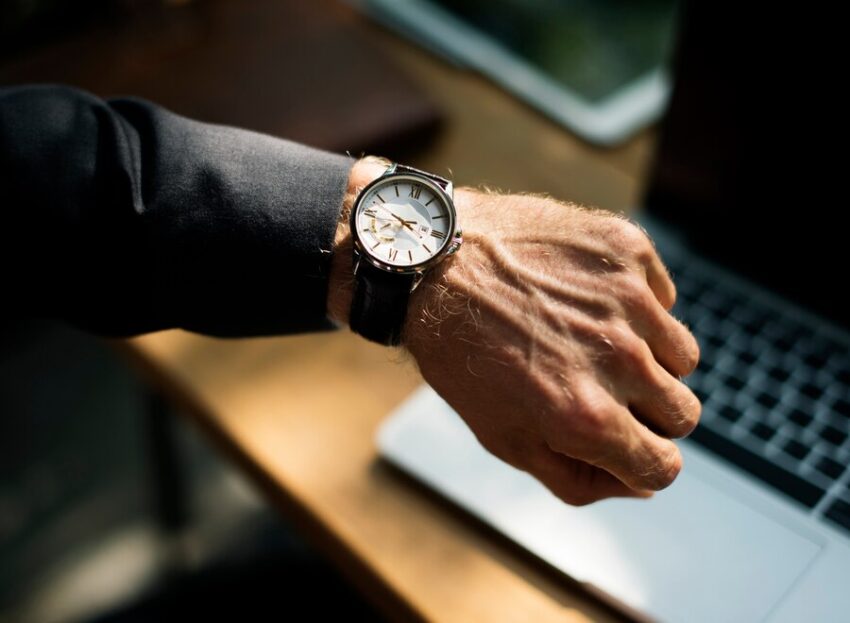
A woman I know once told me she didn’t get a proper watch appraisal or jewelry valuation until after a small house fire, the one that didn’t even reach the room where she kept her things. Nothing was damaged. But standing outside in her driveway that night, watching smoke curl out of a window two rooms away from everything she owned, she realized she genuinely didn’t know what she’d have been able to prove she’d lost if the fire had gone differently.
This concern is not just about the monetary value but also about the overall existence of the assets. She couldn’t have told an insurer what was in that drawer, let alone what it was worth.
That’s the strange thing about valuations, which is that the moment people actually understand why they matter is almost always after a scare, not before one. We tend to treat the things we own as permanent right up until the exact moment something threatens to prove otherwise.
Why We Avoid Doing the One Thing That Actually Protects Us
There’s a peculiar psychological phenomenon that explains why so few people have their valuables properly valued until circumstances compel them to do so. It’s not laziness, exactly, but something closer to a quiet unwillingness to imagine the scenario where it would matter.
Nobody Wants to Picture the Loss
Getting a watch appraised means, on some level, sitting with the possibility that it could be lost, stolen, or damaged. It’s uncomfortable to actively consider the potential loss, theft, or damage of something you love, so most people avoid getting their watches appraised; this avoidance is not due to carelessness, but rather because it feels easier than confronting the issue. The irony is that avoiding the appraisal doesn’t make the risk go away. It just means you’d be facing that risk unprepared, at the exact moment you’re least equipped to deal with it.
“I’ll Get to It” Is a Decision Too
Putting off a watch appraisal feels neutral, like nothing has actually been decided. But, in reality, it has been. Every day something goes unappraised is a day it’s effectively uninsured against its real value, whether or not anyone’s thinking about it that way. The decision isn’t between “getting it valued” and “doing nothing”. It’s between being protected and quietly hoping nothing ever happens.
What a Proper Valuation Actually Gives You
An appraisal is often viewed as paperwork, perhaps like a box to check for an insurance policy. In practice, an appraisal provides an object with a second, independent existence.
It Turns Memory into Something Provable
The woman with the house fire had every memory of her jewelry intact. What she didn’t have was the proof to prove the jewelry if it was lost, stolen, or damaged. Tomorrow, could you provide anything to an insurer or a police report could use if it had actually been lost? A proper appraisal entirely changes this situation; with the valuation, you get a written description, photos, and details that make it easy to identify the item, instead of relying on a vague memory. It doesn’t replace the memory. It, in reality, backs it up.
A Watch Valuer Sees What You Might Miss
This is where working with a genuine watch valuer, rather than skipping the step or relying on an old estimate, actually matters. Values move based on brand demand and market conditions that shift year to year. A watch you’ve owned for a decade might be worth meaningfully more, or less, than either of you would guess without someone actively tracking that market. Guessing isn’t a neutral choice here. It’s a specific kind of risk, dressed up as convenience.
Why This Concept Applies to Everything You Actually Care About
The instinct to delay a valuation isn’t unique to watches. It shows up with paintings nobody’s gotten around to assessing, jewelry inherited without any documentation, and collections built up slowly enough that nobody stopped to formalize their worth along the way.
The Things We Undervalue Are Often the Things We Love Most
There’s a pattern worth noticing here: The items people are slowest to notice. A noticeable pattern emerges: the items that people are slowest to value often hold the most significance for them. Not because they don’t care, but because the sentimental weight makes the whole process feel heavier than it needs to be. In reality, treating something as worth protecting is one of the more genuine ways of honoring what it means to you, not a cold, transactional step that cheapens it.
Proper Watch Appraisal Services Do More Than One Job at Once
Good watch appraisal services don’t just produce a number and move on. They document, they protect, they establish something real and current that can be revisited over time rather than treated as a one-off task to check off a list. That ongoing relationship is often the part people don’t realize they needed until years later, when the original figure no longer reflects reality.
The Real Question Worth Asking Yourself
If your jewelry or watch was lost, stolen, or damaged tomorrow, could you prove what you had and its value? Not from memory or from a rough guess but from something documented, specific, and current.
Most people can’t answer yes to that question about at least one thing they own. That’s not a failure of care, but, simply what happens when something feels too permanent, too obviously yours, to imagine needing proof of it.
Summing Up
To sum up, the woman who experienced the house fire had her jewelry properly valued the following week, after the fear had already taken effect. It shouldn’t take a scare like that to get there. A valuation should be a proactive measure taken before a disaster, not a reaction afterward, ensuring you avoid realizing too late what you should have done.