
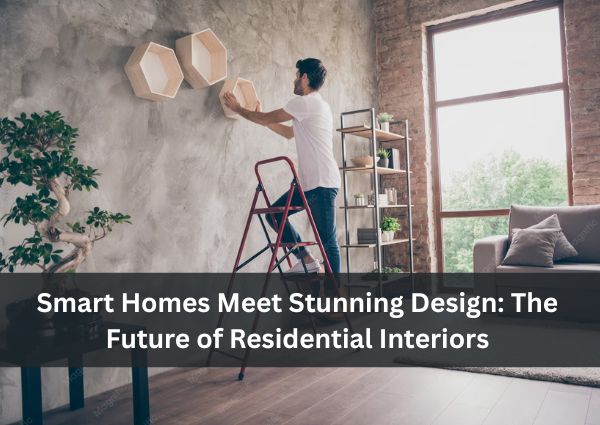
Technology is changing the way people experience their homes. Smart home systems that once seemed futuristic are now becoming increasingly common in modern residential interiors. From automated lighting and intelligent climate control to smart security systems and connected entertainment, technology is making homes more convenient, efficient, and personalized.
However, the future of residential design is not simply about adding more technology. The real transformation comes from integrating smart features seamlessly into beautiful interiors. Homeowners increasingly want technology that improves their everyday lives without making their spaces look overly technical. This has created a new approach to interior design where smart technology and sophisticated aesthetics work together.
Modern residential interiors are therefore becoming more intelligent while remaining elegant, comfortable, and visually cohesive.
Integrating Smart Technology with Modern Interior Design
One of the biggest developments in residential interiors is the integration of smart technology into the overall design concept. Instead of adding devices after the interior is completed, designers can plan technology from the beginning of the project.
Smart lighting is a popular example. Homeowners can control brightness, color temperature, and lighting schedules using smartphones, voice commands, or automated systems. Designers can combine recessed lights, concealed LED strips, pendant fixtures, and accent lighting to create attractive environments while keeping controls discreet.
Smart curtains and blinds can also contribute to both convenience and aesthetics. Automated window treatments can be programmed according to daylight, time of day, or personal preferences. This allows homeowners to control privacy and natural light while maintaining a clean appearance.
Climate control is another important area. Smart thermostats and connected air-conditioning systems can adjust temperatures according to occupancy and daily routines. Integrating these systems into a well-planned interior can improve comfort without compromising the visual character of the room.
Entertainment technology is also becoming more sophisticated. Homeowners can incorporate hidden speakers, built-in television units, concealed wiring, and customized media walls into living spaces. Instead of allowing cables and devices to dominate the room, designers can create integrated solutions that make technology almost invisible.
Smart security systems can similarly be incorporated into residential design. Video doorbells, security cameras, smart locks, sensors, and automated gates can improve safety while being positioned discreetly within the architectural structure.
Creating Comfortable, Personalized, and Future-Ready Homes
The future of residential interiors is also about personalization. Smart systems can learn household routines and provide customized experiences based on individual preferences. Lighting, temperature, music, entertainment, and security can be controlled through centralized systems, making daily life more convenient.
For example, a homeowner may create a morning setting that gradually increases lighting, adjusts the temperature, and opens automated curtains. An evening setting can create a relaxing atmosphere by reducing lighting intensity and activating entertainment systems.
Smart technology can also support energy efficiency. Automated lighting can switch off when rooms are unoccupied, while intelligent climate systems can adjust temperatures based on usage. This can help homeowners manage energy consumption more efficiently while maintaining comfort.
Minimalist interiors particularly benefit from smart technology because they focus on clean lines and uncluttered spaces. Concealed wiring, built-in controls, integrated appliances, and hidden speakers help maintain the simplicity of the design.
Furniture is also evolving alongside smart homes. Modern furniture can include wireless charging stations, integrated lighting, motorized features, and customized storage. These elements combine functionality with contemporary aesthetics.
Material selection remains important as well. Natural wood, stone, glass, metal, and textured fabrics can create warmth and sophistication, preventing technology-focused interiors from feeling cold or overly mechanical. The contrast between advanced technology and natural materials can create a balanced and inviting atmosphere.
Future residential design is also likely to focus more heavily on flexibility. Homes need to adapt to changing lifestyles, including remote work, entertainment, wellness, and family activities. Multipurpose rooms, modular furniture, adjustable lighting, and smart controls can make interiors more adaptable.
The key to successful smart home design is balance. Technology should support the homeowner rather than dominate the interior. When thoughtfully integrated, smart systems can make a home more comfortable, efficient, secure, and convenient while maintaining a sophisticated visual identity.
As smart technology continues to evolve, interior designers will play an increasingly important role in bringing technology and design together. Their expertise can ensure that electrical planning, lighting, furniture, materials, storage, and technology are coordinated from the beginning.
The homes of the future will not necessarily look more technological. Instead, they will look more refined while quietly offering greater levels of convenience and personalization. Smart features will become part of the architecture and interior rather than separate devices added to the space.
Purple Studio provides the best interior services regarding smart home and residential interior design, helping homeowners create beautiful, comfortable, functional, and future-ready living spaces where advanced technology and stunning design work seamlessly together.