
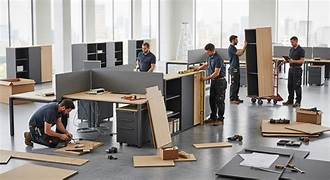
A Professional Furniture Assembly Service helps homeowners and businesses install furniture accurately, securely, and efficiently. From modular wardrobes and cabinets to office workstations, beds, tables, storage units, and other furniture systems, professional assembly ensures that individual components are correctly aligned and securely fitted. Proper assembly can improve stability, functionality, appearance, and long-term performance while reducing the risk of damage caused by incorrect installation.
A relevant second keyword from your approved blog-title list is MDF vs Plywood: Which Material Is Best for Your Home Furniture?, taken directly from the title “MDF vs Plywood: Which Material Is Best for Your Home Furniture?” The material used in furniture can influence how components should be handled and assembled. Understanding the properties of MDF and plywood can help professionals select suitable fasteners, installation methods, and handling techniques for different furniture applications.
Importance of Professional Furniture Assembly
Furniture may consist of multiple panels, fasteners, hinges, drawer systems, brackets, handles, and accessories.
Incorrect assembly can result in uneven doors, unstable cabinets, damaged panels, loose hardware, or poorly functioning drawers.
Professional assembly helps ensure that each component is installed according to the manufacturer’s specifications.
Accurate Component Identification
Before beginning assembly, professionals identify individual panels and hardware.
This is particularly important for modular furniture containing multiple similar-looking components.
Correct identification helps prevent installation errors and unnecessary dismantling.
Proper Tools
Different furniture systems require different tools.
Professional installers may use screwdrivers, drills, levels, measuring tools, hex keys, clamps, and specialized installation equipment according to the product requirements.
Using the appropriate tools helps reduce the possibility of damaging surfaces or hardware.
Furniture Alignment
Accurate alignment is essential for cabinets, wardrobes, drawers, and doors.
Professionals check horizontal and vertical levels during installation to ensure that components are properly positioned.
Modular Wardrobe Assembly
Modular wardrobes often include carcasses, shelves, drawers, shutters, hinges, hanging rods, and accessories.
Professional assembly ensures that these components are securely connected and correctly adjusted.
Kitchen Furniture Assembly
Modular kitchen units require careful installation because cabinets must accommodate countertops, sinks, appliances, plumbing, and electrical requirements.
Accurate positioning is essential for maintaining a functional kitchen layout.
Office Furniture Assembly
Office workstations, desks, conference tables, storage units, and seating may require professional installation.
Correct assembly can help ensure that workstations remain stable and that cable-management features are properly integrated.
Assembly of MDF Furniture
MDF is commonly used for various furniture applications because it provides a smooth and consistent surface.
However, installers should follow appropriate fastening and handling methods to avoid damaging edges and connection points.
Assembly of Plywood Furniture
Plywood is widely used where strength and structural performance are important.
As highlighted in MDF vs Plywood: Which Material Is Best for Your Home Furniture?, the two materials have different characteristics, so the construction method should be appropriate for the selected material and furniture design.
Hardware Installation
Furniture hardware can include:
- Hinges
- Drawer channels
- Handles
- Brackets
- Locks
- Shelf supports
- Connectors
- Magnetic catches
- Lift-up mechanisms
Proper hardware installation is essential for smooth operation.
Drawer Adjustment
Drawers need to be installed and adjusted carefully.
Professionals check alignment, movement, clearances, and soft-close mechanisms to ensure that drawers open and close smoothly.
Door Adjustment
Cabinet doors may require adjustments after installation.
Hinge adjustment can help correct gaps, alignment, and closing performance.
Wall-Mounted Furniture
Wall-mounted cabinets and shelves require secure fixing.
Installers should identify suitable fixing points and use hardware appropriate for the wall type and furniture load.
Safety Considerations
Proper assembly is particularly important for tall or heavy furniture.
Furniture should be securely anchored where necessary to reduce the risk of tipping or movement.
Space Protection
Professional installers can take precautions to protect flooring, walls, doors, and other finished surfaces during assembly.
This is particularly useful when installing large furniture in completed interiors.
Flat-Pack Furniture Assembly
Flat-pack furniture is supplied in separate components that need to be assembled on-site.
Professional installers can interpret assembly instructions, organize hardware, and complete the installation efficiently.
Customized Furniture
Custom furniture may require additional care because components are manufactured for a specific space.
Installers need to verify measurements and coordinate installation with walls, flooring, electrical points, plumbing, and other existing elements.
Built-In Furniture
Built-in wardrobes, TV units, storage cabinets, and other fixed furniture often require precise installation.
Panels may need to be adjusted around walls, skirting, ceilings, or architectural features.
Furniture Installation for Offices
Large office projects may involve installing numerous workstations and storage units.
A professional assembly team can follow a systematic sequence to improve installation efficiency and minimize disruption to business operations.
Furniture Assembly for Commercial Spaces
Retail stores, salons, hotels, restaurants, clinics, and other commercial environments may require furniture installation within strict timelines.
Professional teams can coordinate assembly with other interior work and operational schedules.
Quality Inspection
After assembly, installers should inspect the completed furniture.
Important checks include:
- Stability
- Alignment
- Hardware tightness
- Door movement
- Drawer movement
- Surface condition
- Wall fixing
- Accessories
- Overall finish
Reducing Assembly Errors
DIY assembly can sometimes result in incorrect drilling, over-tightened screws, missing hardware, or reversed components.
Professional installation reduces these risks by following systematic procedures and product instructions.
Saving Time
Furniture assembly can be time-consuming, especially for large modular systems.
Professionals with experience can complete installations more efficiently while maintaining attention to alignment and quality.
Maintaining Furniture Appearance
Correct assembly helps preserve the intended appearance of furniture.
Properly aligned shutters, uniform gaps, level shelves, and concealed hardware can create a cleaner finished look.
Post-Assembly Adjustments
Furniture may require minor adjustments after installation.
Professionals can check hinges, drawer channels, handles, shelves, and other components and make necessary corrections before completing the project.
Assembly and Interior Design
Furniture assembly is an important part of the overall interior execution process.
Designers, manufacturers, contractors, and installers should coordinate dimensions and installation requirements to ensure that the finished furniture matches the approved design.
Choosing a Professional Assembly Service
Before hiring a service provider, consider:
- Experience
- Furniture installation expertise
- Knowledge of modular systems
- Tool availability
- Installation process
- Safety practices
- Attention to detail
- Project timelines
- Damage-prevention measures
- Warranty or service support
A provider experienced with the specific type of furniture can often deliver a smoother installation.
Transparent Pricing
Assembly costs can depend on furniture size, number of units, complexity, location, wall mounting requirements, and additional adjustments.
A clear quotation should explain what is included in the service.
Benefits for Homeowners
Professional assembly can provide:
- Accurate installation
- Better furniture stability
- Reduced installation time
- Proper hardware fitting
- Improved appearance
- Safer installation
- Less effort
- Reduced risk of damage
Benefits for Businesses
For commercial projects, professional assembly can help businesses complete furniture installation efficiently and prepare their premises for operation.
It can also reduce disruption caused by prolonged installation work.
Conclusion
A Professional Furniture Assembly Service provides a practical solution for installing modular, customized, flat-pack, residential, and commercial furniture accurately and securely. Proper component identification, suitable tools, accurate alignment, hardware installation, wall fixing, and final quality inspection all contribute to a reliable finished result.
The second keyword MDF vs Plywood: Which Material Is Best for Your Home Furniture? was selected directly from your approved blog-title list, specifically “MDF vs Plywood: Which Material Is Best for Your Home Furniture?” Understanding the material and construction of furniture helps professional installers use suitable assembly techniques while protecting the quality and longevity of the finished product.