
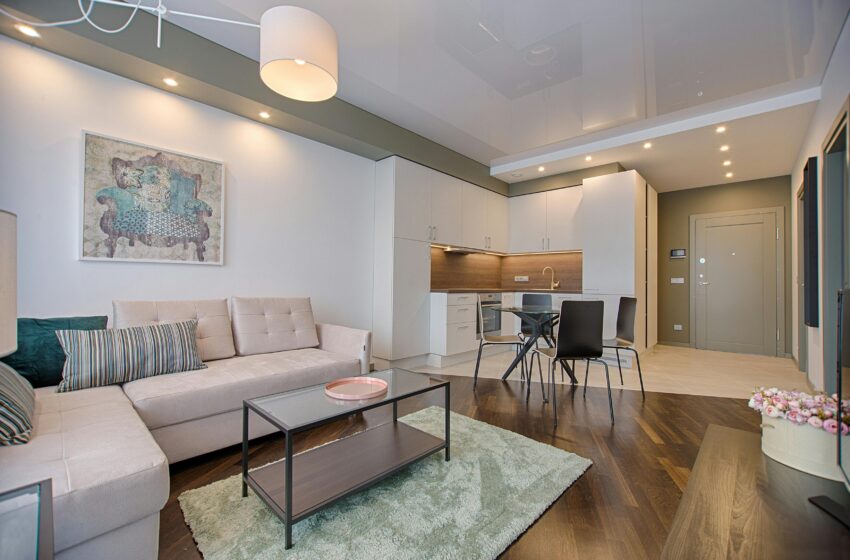
Best Home Interior Design combines aesthetics, functionality, comfort, and personalization to create a home that works naturally for everyday life. A successful interior is not simply about selecting attractive furniture or fashionable colours. It involves thoughtful space planning, suitable materials, efficient storage, layered lighting, comfortable furniture, and a cohesive design concept. Current Indian home interiors are increasingly balancing warmth and personality with practical features, flexible layouts, natural materials, and technology.
A relevant second keyword from your approved blog-title list is 9 Benefits of Hiring a Professional Office Interior Designer, taken directly from the title “9 Benefits of Hiring a Professional Office Interior Designer.” Although the title focuses on office interiors, the value of professional interior design also applies to residential projects. Experienced designers can coordinate layouts, furniture, materials, lighting, colours, storage, and execution to create a more cohesive home.
Understanding Your Lifestyle
The best home interior design begins with understanding how the residents use their space.
A family that frequently entertains guests may need a larger and more flexible living area, while a work-from-home professional may prioritize a dedicated study. Storage, privacy, hobbies, children, and daily routines should all influence the design.
Effective Space Planning
Space planning is the foundation of a functional home.
Furniture should be arranged to maintain comfortable circulation while creating clearly defined areas for living, dining, working, relaxing, and storage.
Even compact homes can feel spacious when furniture dimensions and layouts are carefully planned.
Choosing a Design Style
Homeowners can choose from contemporary, minimalist, traditional, Scandinavian, Japandi, eclectic, modern Indian, and other design styles.
Current Indian interiors are increasingly adapting global styles to local lifestyles, climate, materials, and cultural preferences rather than copying a style exactly.
Living Room Design
The living room is often the main social space of a home.
Comfortable seating, a well-planned TV or feature wall, suitable storage, layered lighting, rugs, artwork, and carefully selected accessories can create a welcoming environment.
Bedroom Design
Bedrooms should prioritize comfort and relaxation.
A suitable bed, bedside storage, wardrobe, dressing area, soft lighting, and calming colours can create a restful atmosphere.
Textured headboards and customized wardrobes can also add visual character.
Modular Wardrobes
Storage is essential for maintaining an organized home.
Modular wardrobes can provide customized hanging sections, shelves, drawers, accessory storage, and loft units according to the available bedroom space.
Full-height wardrobes can also make better use of vertical space.
Modular Kitchen Design
The kitchen should combine efficient workflow with sufficient storage.
Modular cabinets, pull-outs, drawers, corner units, tall pantry systems, and overhead cabinets can help maximize available space while keeping frequently used items accessible.
Dining Room Design
The dining area should provide sufficient room around the table for comfortable movement.
Pendant lighting above the dining table can create a visual focal point, while crockery units or concealed storage can improve functionality.
Home Office
A dedicated work area can be incorporated into a separate room or an unused corner.
A comfortable desk, ergonomic chair, task lighting, storage, power access, and good background organization can make the area suitable for focused work.
Lighting Design
Lighting has a major influence on how a home looks and feels.
A layered approach can combine ambient lighting, task lighting, accent lighting, decorative fixtures, and natural daylight.
Different lighting levels can help create different moods and support different activities.
Natural Light
Natural daylight can make interiors feel brighter and more spacious.
Furniture and partitions should be planned carefully so that windows and other daylight sources are not unnecessarily blocked.
Colour Selection
A cohesive colour palette helps different rooms feel connected.
Homeowners can begin with permanent elements such as flooring, countertops, or architectural features and then coordinate wall colours, cabinetry, furniture, and accessories around them.
Natural Materials
Wood, stone, cane, natural textiles, textured surfaces, and indoor plants can add warmth and character.
Natural materials can work particularly well when combined with contemporary furniture and clean architectural lines.
Storage Solutions
Good storage reduces clutter and makes everyday life easier.
Built-in cabinets, modular wardrobes, TV units, kitchen storage, utility cabinets, floating shelves, and multifunctional furniture can provide practical storage without overwhelming the interior.
Small Home Interiors
Compact homes require careful prioritization.
Space-saving furniture, sliding doors, vertical storage, multifunctional units, mirrors, lighter colours, and open layouts can help create a more spacious visual impression.
Multifunctional Spaces
Modern homes increasingly need spaces that serve more than one purpose.
A guest bedroom can double as a home office, while a living room can incorporate a compact study or reading corner.
Flexible furniture makes these combinations easier to manage.
Premium Home Interiors
Luxury does not necessarily mean excessive decoration.
A premium home can focus on quality materials, refined detailing, customized furniture, sophisticated lighting, excellent proportions, and carefully selected statement elements.
Current design thinking is also moving toward more understated, personalized luxury rather than interiors that simply look expensive.
Biophilic Design
Plants, natural textures, daylight, earthy colours, and views of greenery can bring a stronger connection to nature.
Biophilic elements are increasingly being incorporated into Indian homes as part of more comfortable and wellness-oriented interiors.
Furniture Selection
Furniture should match both the room dimensions and the lifestyle of the occupants.
Oversized furniture can restrict movement, while insufficient furniture may make a room feel incomplete.
A balanced selection of sofas, beds, dining furniture, storage, tables, and accent pieces can create a comfortable interior.
Customized Furniture
Customized furniture is useful when standard products do not fit the available space.
TV units, wardrobes, study desks, storage cabinets, beds, kitchen units, and display shelves can be designed according to exact dimensions.
Material Selection
Materials should be selected based on appearance, durability, maintenance, moisture exposure, usage, and budget.
The same material may not be appropriate for every room, so specifications should be based on the function of each area.
Ceiling Design
False ceilings, recessed lighting, wooden details, cove lighting, or minimalist ceiling treatments can add architectural interest.
However, ceiling design should complement the room rather than make it visually crowded.
Bathroom Interiors
Bathrooms can combine practical surfaces with attractive detailing.
Large-format tiles, suitable storage, functional lighting, quality fixtures, mirrors, and efficient layouts can create comfortable bathroom spaces.
Entryway Design
The entrance sets the tone for the rest of the home.
A console, mirror, shoe cabinet, artwork, lighting, and a small seating area can make the entryway both attractive and practical.
Balcony Design
Balconies can become valuable extensions of living areas.
Comfortable outdoor furniture, plants, lighting, and weather-appropriate materials can create spaces for relaxation.
Sustainable Choices
Long-lasting furniture, durable finishes, responsible material selection, energy-efficient lighting, and reduced material waste can contribute to more sustainable interiors.
Sustainability can be incorporated without compromising aesthetics.
Technology Integration
Modern homes can incorporate smart lighting, automated curtains, security systems, entertainment technology, charging points, and other connected features.
Technology should be integrated discreetly so that cables and equipment do not create unnecessary visual clutter.
Personalization
The best interiors reflect the people who live in them.
Artwork, photographs, books, heirlooms, travel collections, crafts, and personal objects can give a home character and make the design feel authentic rather than generic.
Benefits of Professional Interior Design
The principles behind 9 Benefits of Hiring a Professional Office Interior Designer can also be applied to residential projects.
A professional designer can help homeowners:
- Plan the available space
- Select suitable materials
- Coordinate colours
- Design customized furniture
- Improve storage
- Plan lighting
- Manage budgets
- Coordinate vendors
- Reduce design mistakes
Professional guidance can be especially valuable when multiple rooms are being designed simultaneously.
Budget Planning
A clear budget should be established before major design decisions are finalized.
Costs can vary according to home size, materials, furniture, customization, lighting, hardware, civil work, and installation.
Prioritizing essential elements first can help homeowners allocate their investment effectively.
Professional Execution
Good design needs accurate execution.
Furniture installation, electrical work, lighting, painting, flooring, cabinetry, hardware, and finishing details should be coordinated carefully to achieve the intended result.
Future Flexibility
A home should be designed with future needs in mind.
Flexible furniture, adaptable storage, multipurpose rooms, and durable materials can make the interior easier to modify as family requirements change.
Conclusion
Best Home Interior Design is ultimately about creating a space that combines beauty with everyday functionality. Thoughtful planning, comfortable furniture, efficient storage, appropriate lighting, cohesive colours, durable materials, and personalized details can transform a house into a home that genuinely reflects its occupants.
The second keyword 9 Benefits of Hiring a Professional Office Interior Designer was selected directly from your approved blog-title list, specifically “9 Benefits of Hiring a Professional Office Interior Designer.” While the title focuses on offices, its underlying principles—professional planning, efficient space utilization, coordinated materials, furniture selection, and expert execution—are equally valuable when creating a well-designed residential interior.