
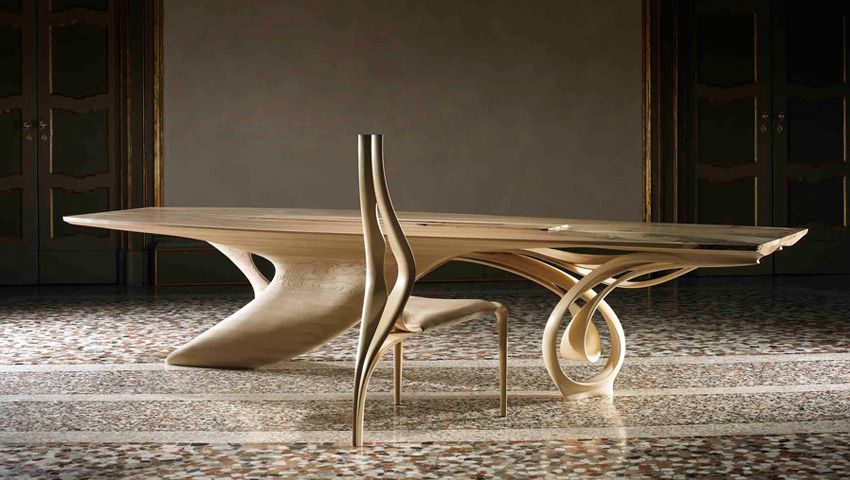
The intersection of art and utility has never been more pronounced than in the modern design landscape. For decades, furniture was primarily viewed through the lens of functionality, often sacrificing aesthetic bravery for comfort or convention. However, the contemporary homeowner and business owner alike are now seeking environments that reflect personality, taste, and a deeper appreciation for craftsmanship. This shift has given rise to a demand for pieces that do more than fill a corner; they command attention, spark conversation, and define the very essence of a room’s atmosphere.
Within this movement, sculptural statement furniture has emerged as the cornerstone of luxury interior design. Unlike mass-produced flat-pack items, these pieces are conceived as art objects. They challenge traditional silhouettes, experiment with avant-garde materials, and blur the line between a usable object and a gallery installation. For designers and property owners, investing in these pieces is not merely about filling space; it is about curating an experience. As the market for bespoke interiors grows, understanding how to integrate these bold forms is essential for anyone looking to elevate their environment from ordinary to extraordinary.
Understanding the Power of Sculptural Statement Furniture
Sculptural statement furniture represents a paradigm shift in how we perceive interior decor, moving away from standardization and toward self-expression. When we analyze the psychology of a room, the furniture acts as the visual anchor. Standard sofas and tables tend to blend into the background, serving their purpose silently. However, a piece with sculptural qualities disrupts the visual plane. It draws the eye immediately, establishing a focal point that dictates the flow of movement and the hierarchy of the space. These pieces are defined by their emphasis on form, silhouette, and negative space, often prioritizing artistic vision alongside ergonomic function. The power of this style lies in its ability to make a space feel intentional and curated rather than simply assembled. It signals to visitors that the occupant values creativity and is unafraid to challenge the status quo of interior design.
The Importance of Professional Curation in Interior Design
Selecting a bold piece of furniture is a high-stakes endeavor, which is why professional curation has become a vital service within the industry. The difference between a chaotic room and a sophisticated space often comes down to the restraint and vision of a designer. Professionals understand that sculptural statement furniture cannot exist in a vacuum; it requires a supporting cast of textures, lighting, and complementary shapes to shine. An expert eye assesses the scale of a room, the ceiling height, and the natural light sources to determine whether a piece will harmonize or clash. Furthermore, interior designers possess access to artisans and galleries that produce limited-edition works, ensuring that clients receive pieces that are not only unique but also hold investment value. By hiring a professional, individuals avoid the costly mistake of purchasing a piece that overpowers the room or fails to function effectively, ensuring the final result is a cohesive narrative rather than a collection of loud noises.
Key Characteristics Defining High-Quality Sculptural Pieces
To distinguish genuine artistry from fleeting trends, one must look closely at the materials and craftsmanship involved. High-quality sculptural pieces are rarely constructed from cheap veneers or brittle plastics; instead, they favor solid woods, hand-forged metals, marble, and high-density foams wrapped in performance fabrics. The integrity of the joint work, the weight of the piece, and the finish of the surface are telltale signs of longevity. A true sculptural object feels substantial and grounded, allowing the user to interact with it without fear of fragility. The design should appear seamless, where the structural support is integrated into the aesthetic rather than hidden behind it. Whether it is a chair that mimics the curve of a wave or a table that resembles a glacial formation, the quality is evident in the precision of the angles and the tactile experience of the material, distinguishing it from low-quality imitations that often populate the market.
Choosing the Right Sculptural Statement Furniture for Your Space
The process of integrating bold forms into an existing environment requires a strategic approach to balance and proportion. The most successful interiors often utilize the “one hero piece” rule, where a single item of takes center stage while other elements recede into a supporting role. Before purchasing, one must assess the intended use of the room; a delicate, artistic chair may be perfect for a reading nook but impractical for a high-traffic family room. Scale is the most critical factor, as a piece that is too large will suffocate a room, while a piece that is too small will lose its impact. It is also essential to consider the sightlines from entry points, ensuring the sculptural form is visible and appreciated from multiple angles. By carefully analyzing the traffic flow and the existing color palette, homeowners can select a piece that feels like a natural, yet breathtaking, addition to the home rather than an afterthought.
Material Integrity and Industry Standards for Longevity
Investing in high-end furniture necessitates a focus on sustainability and structural integrity that mass-market retail often lacks. In the realm of sculptural design, the materials are often raw, organic, and allowed to age gracefully. Industry standards for luxury furniture dictate that natural materials, such as stone and wood, should be treated with finishes that protect without masking their inherent texture. When commissioning or purchasing these pieces, buyers should inquire about the joinery methods—dovetail, mortise-and-tenon, or precision welding—as these techniques determine the lifespan of the item. Unlike fast furniture, which is designed for disposal, sculptural pieces are often heirlooms. The upholstery should meet high rub counts for durability, and the foams should be high-resilience to prevent sagging. Adhering to these industry standards ensures that the piece remains structurally sound and visually stunning for decades, making it a responsible choice for both the homeowner and the environment.
The Business Value of Investing in Functional Art
For commercial spaces such as boutique hotels, corporate lobbies, and high-end retail stores, the integration of artistic furniture offers a significant return on investment. In a digital age where social media presence is paramount, a striking piece of functional art can become an organic marketing tool. Guests and customers are drawn to photograph distinctive environments, sharing their experiences online and generating free publicity for the business. A lobby featuring a massive, twisting wooden bench or a reception desk carved from a single block of stone communicates luxury and attention to detail immediately. This unspoken communication elevates the perceived value of the business, allowing companies to command higher price points for their services. In the commercial sector, furniture is no longer just a utility expense; it is a capital investment in brand identity and customer experience, proving that bold design choices directly impact the bottom line.
Future Trends in Sculptural Interior Design
Looking ahead, the future of interior design is poised to blend technology with organic forms, pushing the boundaries of what can achieve. We are already witnessing a rise in the use of 3D printing to create complex, lattice-like structures that would be impossible to build by hand, using recycled materials and bio-plastics. The trend is moving toward “biophilic design,” where furniture mimics the shapes found in nature, such as caves, canyons, and root systems, creating a calming yet dramatic effect. Additionally, designers are exploring the concept of “kinetic furniture,” where pieces can shift shape or configuration to adapt to the user’s needs. As consumers become more environmentally conscious, the future will also demand transparency in sourcing and manufacturing. The convergence of art, technology, and sustainability is set to redefine the industry, ensuring that the demand for unique, sculptural pieces continues to grow exponentially in the coming years.
Conclusion
Elevating an interior space from functional to phenomenal requires a bold vision and a willingness to embrace the extraordinary. Throughout this exploration, we have seen how the right piece can anchor a room, reflect personal identity, and even drive commercial success. The distinct advantage of sculptural statement furniture lies in its dual nature; it offers the comfort and utility of traditional furniture while providing the emotional resonance and visual impact of a fine art installation. As we look to the future of design, the trend toward expressive, artistic environments is undeniable. By choosing to invest in pieces that challenge convention and celebrate craftsmanship, you are not merely decorating a room—you are composing a legacy of style that will inspire conversation and admiration for generations to come.