
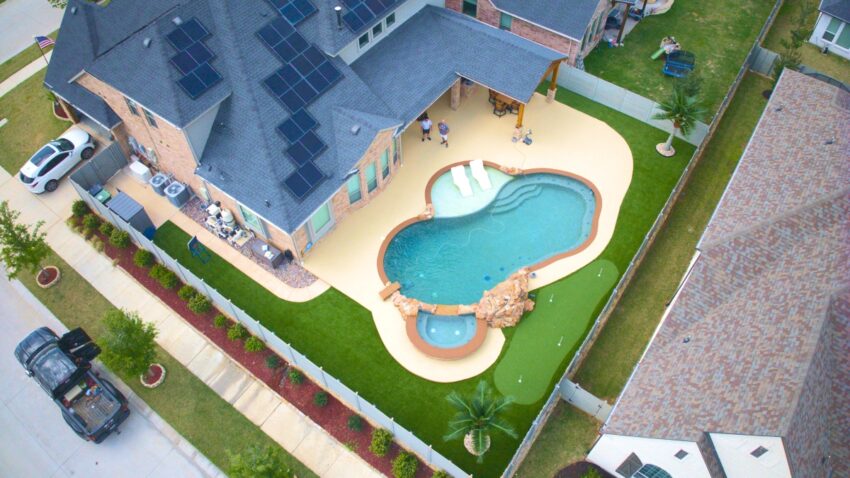
A swimming pool can transform an ordinary backyard into a space designed for relaxation, recreation, and outdoor gatherings. For many Fort Worth homeowners, having a private pool means enjoying more time outside without leaving home. It can provide a refreshing escape during warm weather and create a comfortable setting for family activities.
However, a pool is a significant home improvement project. The best results come from careful planning rather than rushing into construction. Homeowners need to consider the size of their yard, the pool design, construction requirements, safety, budget, maintenance, and the surrounding landscape.
If you are researching new pool construction in Fort Worth TX, understanding the major decisions involved can help you plan with confidence. An inground swimming pool installation should be designed to fit the property and provide practical value for years to come.
Start With Your Backyard
Every property has different characteristics. Before deciding on a pool shape or size, look carefully at the available space.
The location of your home, existing patio, fencing, trees, outdoor structures, irrigation system, and utility lines can affect where a pool can be placed. Access for construction equipment is another important consideration.
A professional site assessment can help identify these factors before the design is finalized. It may also reveal drainage or soil conditions that need to be addressed during planning.
Consider How You Use the Space Now
Think about how your backyard is currently used. Do your children need open space for activities? Do you regularly host family gatherings? Do you already have an outdoor kitchen or patio?
The pool should complement the way you use the property instead of taking away useful space.
A good design balances swimming space with room for walking, seating, landscaping, and other outdoor activities.
Decide How You Want to Use the Pool
The purpose of your pool should influence many design decisions. A pool designed for exercise may look very different from one designed primarily for relaxation.
Families may want shallow areas, comfortable steps, and space where children can enjoy the water. Homeowners who enjoy entertaining may prefer wider poolside areas and additional seating.
If relaxation is the main goal, features such as built in benches, a tanning ledge, or a spa may be worth considering.
Plan for Your Future Needs
Your family’s needs can change over time. Children grow, routines change, and the way you use your backyard may evolve.
Instead of focusing only on what looks attractive today, consider whether the design will remain useful several years from now. Practical choices can make the pool more enjoyable throughout its life.
Choose the Right Pool Shape
The shape of the pool can influence the appearance and functionality of your entire backyard.
Rectangular pools are popular because they offer clean lines and can work well for swimming and modern designs. Freeform pools provide softer curves and may blend naturally with certain landscape styles.
Custom shapes can also be considered when a property has unusual dimensions or when homeowners want a distinctive design.
Match the Pool With Your Home
The pool should complement your home’s architecture. Consider the colors, lines, materials, and existing outdoor features when selecting the pool’s appearance.
Also think about the view from inside your home. A pool can become a prominent part of the backyard view, so its placement and design should look appealing from multiple angles.
Understand the Inground Swimming Pool Installation Process
An inground swimming pool installation involves several stages, and understanding them can make the project easier to manage.
The process generally begins with consultation, site evaluation, measurements, and design. Depending on the project, permits and approvals may need to be addressed before construction.
Once the site is prepared, excavation begins. The pool structure is then constructed according to the approved design. Plumbing and electrical components are installed along with the circulation and filtration systems.
The project then moves into finishing work. This may include the pool interior, coping, decking, lighting, equipment, and selected features. After installation, the systems are tested and the pool is prepared for use.
The exact timeline depends on the size and complexity of the project, site conditions, weather, materials, and local requirements.
Select Features That Add Real Value
A pool can include many optional features, but homeowners should choose them carefully.
The right features can improve comfort and usability without making the project unnecessarily complicated.
Common options include:
- Tanning ledges, built in seating, wide steps, spas, water features, pool lighting, and automated pool controls.
- Outdoor kitchens, patios, shade structures, fire features, privacy screens, and comfortable seating areas can connect the pool to a larger outdoor living space.
Before adding a feature, consider how often you will use it and whether you are comfortable with its maintenance requirements.
A simple design with a few well chosen features can be more practical than a complicated pool filled with options that provide little everyday benefit.
Make Pool Safety a Priority
Safety should be considered during the design stage. The pool’s location, surrounding layout, barriers, access points, and lighting can all affect how safely the space is used.
Appropriate fencing and secure gates can help limit unwanted access. Safe entry points and adequate lighting can also improve visibility around the pool.
Families with children should give particular attention to barriers and supervision. Even with safety equipment in place, adults should remain attentive whenever children are in or near the water.
Local regulations may establish requirements for residential pool barriers, fences, and gates. Homeowners should confirm current requirements with the appropriate local authority and their pool professional before construction begins.
Create a Realistic Budget
Planning your budget early can make the project easier to manage. Pool construction costs can vary significantly based on size, design, materials, site conditions, equipment, decking, and additional features.
It is also important to consider the cost of owning the pool after construction.
Routine expenses may include electricity, water, cleaning supplies, equipment maintenance, and repairs. Features that require additional equipment may also affect operating costs.
When reviewing a proposal, ask exactly what is included. Make sure major elements such as excavation, pool construction, plumbing, electrical work, equipment, finishes, decking, cleanup, and agreed features are clearly explained.
A detailed written proposal can help prevent misunderstandings and make different contractor proposals easier to compare.
Choose an Experienced Contractor
Choosing the right professional is an important part of new pool construction in Fort Worth TX. Experience, communication, workmanship, and transparency should all be considered.
Look at examples of completed projects that are similar to what you have in mind. Customer feedback can also provide useful information about the overall experience.
Before hiring a contractor, consider:
- Reviewing previous projects, checking customer feedback, confirming licensing or applicable credentials, asking about permits and warranties, and discussing the expected schedule.
- Asking about materials, equipment, maintenance, communication, payment arrangements, and how unexpected site conditions or design changes are handled.
A reliable contractor should be willing to explain the project clearly and answer questions without making you feel pressured.
Prepare Your Property for Construction
Pool construction can temporarily affect your yard. Excavation equipment, workers, and materials need adequate access to the construction area.
Talk with your contractor about how equipment will reach the backyard. Existing fences may need temporary adjustments, while landscaping and irrigation systems may require protection.
If certain plants, structures, or outdoor features are important to you, discuss them during the design stage. Early communication gives the contractor an opportunity to plan around them where practical.
Plan for Long Term Maintenance
A pool requires ongoing attention after construction. Regular cleaning, water care, filtration, circulation, and equipment checks help keep the pool functioning properly.
When choosing pool equipment, consider how easy it will be to operate and maintain. Some modern systems include automation that can simplify certain routine tasks.
Before the project is completed, ask your contractor to explain the equipment and recommended maintenance schedule. Knowing how your system works can make pool ownership easier.
Connect the Pool With the Landscape
The surrounding landscape can make a significant difference to the final appearance of your pool area.
Plants can add privacy and soften hard surfaces. Walkways can make movement easier, while outdoor lighting can improve visibility and create a comfortable evening atmosphere.
Add Shade and Privacy
Fort Worth’s warm climate makes shade useful around outdoor living areas. Depending on your property, shade can be provided through suitable structures, trees, or other landscape elements.
Privacy is another consideration. Plants, fencing, and screening can help create a more secluded pool area while maintaining an open and welcoming appearance.
Think About Long Term Enjoyment
A pool should be designed for everyday use, not simply for appearance. Trends can influence design choices, but practical features often provide lasting value.
Choose materials and features that suit your lifestyle and maintenance preferences. Consider how the pool will work as your family changes and how easily the surrounding space can adapt to future needs.
A thoughtful design can help ensure that the pool remains a useful part of your home for many years.
Final Thoughts
New pool construction in Fort Worth TX is a major investment, but careful planning can help homeowners create a backyard that is both attractive and functional. From the initial site assessment to design, construction, finishing, safety, and maintenance, every stage deserves attention.
An inground swimming pool installation should fit your property and reflect the way you plan to use your outdoor space. Consider your budget, pool design, safety needs, maintenance responsibilities, and surrounding landscape before making final decisions.
When these elements are planned together, the pool can become a natural extension of your home. It can provide space for swimming, relaxation, family activities, and outdoor entertaining while improving the overall experience of your backyard.
For homeowners looking to combine pool surroundings with thoughtful outdoor design, RP Landscape can help create a cohesive landscape that complements the pool and makes the entire backyard more inviting.